The Promising Outlook for the Metal Recycling Market

The Promising Outlook for the Metal Recycling Market

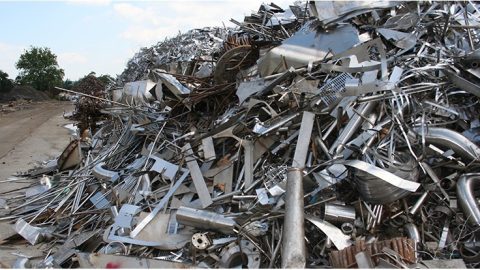
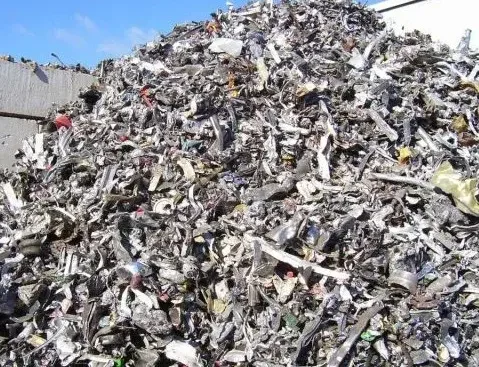
In recent years, the metal recycling industry has gained significant momentum, driven by environmental concerns, resource conservation, and the growing demand for sustainable practices. Botany Recycling a prominent player in the industry, offers valuable insights into the ever-evolving landscape of metal recycling. This article explores the outlook for the metal recycling market and how Botany Recycling is contributing to its growth.

Sustainable Trends Propel Metal Recycling

The metal recycling market is on an upward trajectory, thanks to a global shift towards sustainability. Consumers and businesses are increasingly recognizing the importance of recycling to reduce the carbon footprint and conserve valuable resources. Botany Recycling leverages this trend by providing eco-friendly metal recycling solutions.

Rising Demand for Raw Materials

As the world’s population continues to grow, so does the demand for raw materials. Metal recycling plays a crucial role in meeting this demand sustainably. Botany Recycling efficient recycling processes are helping bridge the gap between resource scarcity and demand.

Regulatory Support

Governments worldwide are implementing stringent environmental regulations to curb emissions and promote recycling. These regulations have given a boost to the metal recycling market, creating opportunities for companies like Botany Recycling to thrive within a compliant framework.

Circular Economy Initiatives

The concept of a circular economy, where products and materials are reused and recycled to minimize waste, has gained traction. Botany Recycling aligns with this vision by ensuring that metals are recycled and reintroduced into the production cycle.

Technological Advancements

Technological innovations have made metal recycling more efficient and cost-effective. Botany Recycling invests in cutting-edge technology to enhance its recycling processes, ensuring higher yields and lower environmental impact.

Shifting Consumer Behavior

Consumers are becoming increasingly conscious of their environmental footprint. As a result, they are more likely to support businesses that prioritize sustainability, including metal recycling companies like Botany Recycling

Growing Industrial Applications

Metals are crucial in various industries, from automotive to construction. The metal recycling market benefits from the growing demand for recycled materials in these sectors. Botany Recycling collaborates with industrial clients to meet their sustainability goals.

Read More: Scrap Metal’s Vital Contribution to Sustainable Manufacturing

Global Expansion

Botany Recycling success has led to global expansion efforts. This expansion not only broadens their reach but also contributes to the overall growth of the metal recycling market.

Conclusion

The metal recycling market is poised for sustained growth in the coming years, driven by environmental consciousness, regulatory support, technological advancements, and a shift toward sustainable practices. Botany Recycling commitment to eco-friendly recycling processes positions them as a key player in this thriving industry. As the world continues to prioritize sustainability, the outlook for the metal recycling market remains promising, and companies like Botany Recycling are at the forefront of this positive transformation.

Tin Recycling An Eco-Friendly Solution

Recycling - Aluminium Drinks Cans

When it comes to recycling, metals are among the most crucial materials to recover and reuse. One such metal is tin, a versatile and valuable resource that plays a significant role in various industries. But can we recycle tin, and what are the benefits of doing so? In this article, we’ll explore the process of tin recycling and its environmental advantages.

The Importance of Tin Recycling

Tin is a non-renewable resource, meaning that once it’s depleted, there’s no natural way to replace it.

It is used in a wide range of applications, from packaging to electronics, making it essential for modern life.

Reducing Environmental Impact

Mining and refining tin ore have substantial environmental impacts, including deforestation and habitat destruction.

Recycling tin reduces the need for new mining operations and lowers the overall carbon footprint of tin production.

The Tin Recycling Process

Tin recycling begins with the collection of tin-containing materials, such as cans, electronics, and industrial scrap.

At facilities like Botany Recycling these materials are sorted and separated from other recyclables.

Melting and Purification

The collected tin is melted down in high-temperature furnaces to remove impurities.

This process transforms the collected scrap into a pure tin alloy suitable for reuse.

Forming New Products

Once purified, recycled tin can be used to create a wide range of products, from new cans to solder for electronics.

This step conserves valuable resources and energy compared to manufacturing from raw materials.

Conservation of Natural Resources

Recycling tin reduces the demand for virgin ore, preserving finite natural resources.

Energy Efficiency

Recycling tin requires significantly less energy than mining and refining new ore.

It can reduce energy consumption by up to 95%.

Reduced Greenhouse Gas Emissions

Tin recycling contributes to lowering greenhouse gas emissions associated with metal production.

Why Choose Botany Recycling for Tin Recycling

Expertise and Experience

Botany Recycling is a renowned name in the recycling industry, with years of experience in handling and recycling various metals, including tin.

Environmentally Responsible Practices

The company follows environmentally responsible practices, ensuring that your tin recycling efforts have a positive impact on the planet.

Competitive Prices

Botany Recycling offers competitive prices for your recycled tin, making it an economically attractive option.

Read More: Exploring the Different Types of Car Scrap Yards

Contribution to Sustainability

By choosing Botany Recycling for your tin recycling needs, you’re contributing to the sustainability of tin as a vital resource.

Conclusion

Tin recycling is not only possible but highly beneficial for both the environment and the economy. By recycling tin, we conserve precious natural resources, reduce energy consumption, and lower greenhouse gas emissions. Choosing a reputable recycling center like Botany Recycling can further amplify the positive impact of your recycling efforts, making it a responsible and sustainable choice.

Exploring the Different Types of Car Scrap Yards

Exploring the Different Types of Car Scrap Yards

When it comes to disposing of old or damaged vehicles, car scrap yards play a crucial role in recycling and salvaging valuable materials. They offer a sustainable and environmentally friendly way to deal with end-of-life cars. One such scrap yard Botany Scrap Metal is a prime example of a facility dedicated to recycling and processing automotive scrap. In this article, we will explore the various types of car scrap yards and highlight the services provided by Botany Scrap Metal.

Traditional Salvage Yards

Traditional salvage yards are often the go-to choice for individuals looking to sell their old vehicles or purchase used auto parts. These yards buy vehicles in various conditions, from wrecked to non-running, and dismantle them for resale. Customers can visit these yards to find specific parts or sell their cars for cash. Botany Scrap Metal, for instance, offers competitive prices for scrap cars, making it a popular choice for car owners in need of disposal.

Eco-Friendly Auto Recycling Centers

As environmental concerns grow, eco-friendly auto recycling centers have emerged. These facilities focus on minimizing waste and promoting sustainability by recycling as much of the vehicle as possible. Botany Scrap Metal is a prime example, employing state-of-the-art technology to ensure that hazardous materials are disposed of properly and recyclable materials are processed efficiently.

Specialized Scrap Yards

Some scrap yards specialize in particular types of vehicles, such as vintage cars, exotic automobiles, or industrial vehicles. These specialized yards often have experts who can accurately assess the value of rare or unique vehicles. Botany Scrap Metal may not specialize in vintage or exotic cars, but its wide range of services ensures that most types of vehicles are welcome for recycling.

Online Scrap Yards

The digital age has brought about online scrap yards, where customers can connect with scrap yard operators through websites and apps. This modern approach allows for convenience and transparency in selling or disposing of vehicles. Botany Scrap Metal’s website is a user-friendly platform where customers can get quick quotes, schedule pickups, and access essential information about their services.

Read More: Why Choose Scrap Metal for Your Recycling Needs

Government-Operated Recycling Centers

Many government-run recycling centers focus on environmentally responsible disposal of vehicles. These centers often work in conjunction with local authorities to ensure compliance with environmental regulations. Botany Scrap Metal adheres to all local and national regulations, making it a trusted choice for responsible car disposal.

Conclusion

Car scrap yards come in various types, catering to the diverse needs of vehicle owners and the growing demand for sustainable automotive recycling. Botany Scrap Metal with its commitment to eco-friendly practices, competitive pricing, and convenient online services, stands as an excellent example of a modern, efficient, and responsible car scrap yard. Whether you’re looking to sell your old vehicle or simply want to dispose of it in an environmentally friendly manner, understanding the different types of scrap yards can help you make an informed choice. Choose wisely, and contribute to a greener and more sustainable automotive industry.

Services Offered by Scrap Metal

Services Offered by Scrap Metal

Services Offered by Scrap Metal

In an era where environmental consciousness and sustainable practices are becoming paramount, the recycling industry plays a pivotal role in minimizing waste and conserving resources. One such player in the recycling landscape is Botany Recycling a leading name in the scrap metal recycling business. This article delves into the array of services offered by Botany Scrap Metal, highlighting its contribution to both the environment and the economy.

Scrap Metal Collection Services

Botany Recycling offers comprehensive scrap metal collection services, catering to industries, businesses, and individuals alike. The company facilitates the collection of various types of scrap metal, including ferrous and non-ferrous metals, from clients’ locations. This service not only promotes efficient waste management but also ensures that valuable metals are recycled instead of being discarded.

Recycling Consultation

Recognizing the importance of educating clients about responsible recycling practices, Botany Recycling provides recycling consultation services. These consultations guide clients on segregating different types of metals, understanding recycling regulations, and maximizing the value of their non-ferrous metal scrap materials. By promoting proper recycling practices, the company contributes to reducing the environmental impact of metal production.

Scrap Metal Processing

Botany Recycling is equipped with state-of-the-art processing facilities that allow for the efficient sorting, cleaning, and processing of non-ferrous metal scrap. Through advanced technologies, the company transforms mixed and contaminated scrap into high-quality materials that can be reused in manufacturing processes. This step significantly reduces the energy and resource requirements for metal production.

Competitive Pricing

One of the standout features of Botany Recycling is its commitment to providing competitive pricing for non-ferrous metal scrap. Clients are assured of fair valuations for their materials, incentivizing their participation in the recycling process. This approach fosters a mutually beneficial relationship between the recycling industry and the providers of scrap metals.

Environmental Conservation

By diverting non-ferrous metal scrap from landfills and incinerators, Botany Recycling contributes to the reduction of greenhouse gas emissions and the conservation of natural resources. The company’s efforts align with global sustainability goals and support the transition towards a circular economy, where materials are recycled and reused instead of being discarded.

Economic Impact

Beyond its environmental contributions, Botany Recycling plays a vital role in the economy. The recycling industry generates jobs, stimulates economic activity, and reduces the dependence on raw material extraction. By participating in the non-ferrous metal scrap recycling process, individuals and businesses contribute to local economic growth.

Commitment to Compliance

Botany Recycling adheres to all relevant regulations and standards in the recycling industry. The company maintains proper licensing and certifications, ensuring that the recycling process is conducted in a responsible and lawful manner. This commitment to compliance underscores the company’s dedication to ethical practices.

Conclusion

Botany Recycling stands as a prominent example of how recycling can transform waste into valuable resources. Through its comprehensive services, commitment to sustainability, and contributions to the economy, the company showcases the positive impact that responsible non-ferrous metal scrap recycling can have on both local communities and the environment. Embracing the services offered by Botany Scrap Metal not only yields economic benefits but also helps shape a greener and more sustainable future.

Scrap Metal’s Vital Contribution to Sustainable Manufacturing

Scrap Metal's Vital Contribution to Sustainable Manufacturing

Scrap Metal Vital Contribution to Sustainable Manufacturing

Sustainable manufacturing has emerged as a critical aspect of today’s industrial landscape, driven by the need to minimize environmental impacts, conserve resources, and reduce waste. non-ferrous metal scrap often overlooked plays a pivotal role in achieving these goals. Through recycling and repurposing, the non-ferrous metal scrap industry significantly contributes to sustainable manufacturing practices, promoting a circular economy and mitigating the adverse effects of traditional metal production.

The Importance of Scrap Metal in Sustainable Manufacturing


Resource Conservation

Conventional metal extraction and processing demand substantial energy consumption and raw material extraction. Recycling scrap metal drastically reduces the need for mining, conserving valuable natural resources like iron ore and aluminum.

By utilizing scrap metal, manufacturers reduce the demand for new raw materials, helping to protect ecosystems and minimize habitat destruction.

Energy Efficiency

Processing raw ores into metal requires significant energy inputs, contributing to greenhouse gas emissions. non-ferrous metal scrap recycling consumes significantly less energy, thereby reducing the carbon footprint of metal production.

Reusing non-ferrous metal scrap cuts down on the energy required for extraction, transportation, and refinement, thus contributing to lower emissions and combatting climate change.

Read More: Your Source for Low Rate Scrap Metal

Waste Reduction

Traditional metal production generates considerable waste, including slag and tailings. The recycling of non-ferrous metal scrap minimizes waste disposal, diverting materials from landfills and incinerators.

The utilization of non-ferrous metal scrap aligns with the principles of a circular economy, where materials are continually repurposed, reducing the strain on waste management systems.

Botany Recycling A Leader in Sustainable Metal Recycling

At Botany Recycling we stand at the forefront of sustainable manufacturing through our comprehensive non-ferrous metal scrap recycling services. Here’s how we contribute:

Efficient Collection and Sorting

We offer efficient collection and sorting services, ensuring that various types of non-ferrous metal scrap are properly separated for recycling.

Our advanced sorting techniques maximize the recovery of valuable metals, minimizing waste and optimizing resource utilization.

Eco-Friendly Processing

Botany Recycling employs state-of-the-art recycling processes that require significantly less energy compared to primary metal production.

Our advanced technologies allow us to process and refine non-ferrous metal scrap with minimal environmental impact.

Supporting Circular Economy

By recycling non-ferrous metal scrap, we actively contribute to a circular economy by reintroducing metals into the production cycle, reducing the need for new raw materials.

Community Engagement

We promote sustainability by educating our community about the benefits of non-ferrous metal scrap recycling and the positive impacts on the environment.

Botany Recycling collaborates with local businesses and manufacturers to establish a network committed to sustainable practices.

Conclusion

non-ferrous metal scrap role in sustainable manufacturing is undeniable. By conserving resources, reducing energy consumption, and minimizing waste, the non-ferrous metal scrap industry, exemplified by Botany Recycling plays a crucial part in shaping a more environmentally responsible manufacturing landscape. Embracing non-ferrous metal scrap recycling not only benefits businesses economically but also contributes to the preservation of our planet for future generations.

Why Choose Scrap Metal for Your Recycling Needs

Why Choose Scrap Metal for Your Recycling Needs

Scrap Metal for Your Recycling Needs

Today environmentally conscious world, recycling plays a crucial role in reducing waste and conserving valuable resources. One industry that significantly contributes to this effort is the non-ferrous metal scrap recycling sector. When it comes to fulfilling your recycling needs Botany Scrap Metal stands out as a reliable and sustainable choice. With a commitment to environmental responsibility and efficient recycling processes, Botany Scrap Metal offers numerous advantages for both individuals and businesses seeking to recycle their metal waste.

Comprehensive Metal Recycling Solutions

Botany Scrap Metal provides a wide range of recycling solutions for various types of metals including ferrous and non-ferrous metals.

Environmentally Friendly Practices

Choosing Botany Scrap Metal aligns with eco-friendly principles. By recycling metals you contribute to a significant reduction in energy consumption, greenhouse gas emissions, and the need for new raw materials extraction. This directly translates to a positive impact on the environment and helps in the conservation of natural resources.

State-of-the-Art Recycling Facility

Botany Scrap Metal boasts a state-of-the-art recycling facility that utilizes advanced technologies to process and recycle metals efficiently. The facility adheres to strict environmental regulations, ensuring that all recycling processes are conducted in an environmentally responsible manner.

Competitive Pricing

The facility offers competitive pricing for the metals you bring in for recycling. This provides an additional incentive for individuals and businesses to participate in metal recycling.

Contribution to Circular Economy

By recycling with Botany Scrap Metal, you become an essential part of the circular economy. Your recycled metals are transformed into valuable resources that can be used to manufacture new products. This reduces the demand for virgin materials and helps close the recycling loop.

Expertise and Customer Support

Botany Scrap Metal employs a team of experts who are knowledgeable about different metals and recycling processes.

Convenient Drop-Off and Pickup Services

The convenience factor is not overlooked at Botany Scrap Metal. They offer convenient drop-off and pickup services for recyclable metals making it easier for you to participate in recycling efforts without disrupting your schedule.

Read More: Tips for Sorting and Separating Scrap Metal

Commitment to Sustainability

Sustainability is at the core of Botany Scrap Metal’s mission. By choosing their services, you contribute to the reduction of waste in landfills and support a more sustainable future for generations to come.

Conclusion

selecting Botany Scrap Metal for your recycling needs presents a host of benefits, from environmental conservation and responsible waste management to competitive pricing and expert support.

Visit the official website of Botany Scrap Metal to learn more about their services, operating hours, and recycling guidelines. Join the movement toward a more sustainable future by making an informed choice for your metal recycling needs.

5 Steps of the Scrap Metal Recycling Process

5 Steps of the Scrap Metal Recycling Process

Scrap metal recycling is not only a lucrative venture but also a way to contribute to environmental sustainability. By turning junk into cash through scrap metal recycling, you can help save the environment while also making some extra money. 

In this comprehensive guide, we will explore the essential steps of the scrap metal recycling process, provide tips for identifying and assessing metal value, discuss the types of recyclable metals, and offer safety guidelines for scrapping. Whether you’re a novice or experienced scrapper, this manual will equip you with the knowledge you need to effectively identify and recycle scrap metals.

The 5 Steps of the Scrap Metal Recycling Process

Non-ferrous metal scrap recycling involves a series of steps to effectively collect, sort, and process various types of metals. Understanding these steps is crucial for anyone looking to engage in scrap metal recycling. Here are the five key steps involved in the Collection

The first step in non-ferrous metal scrap recycling is the collection of items that contain metals. These items can be found in various locations, including construction sites, industrial facilities, warehouses, landfills, and even in your own home. It’s important to be thorough in your collection efforts to maximize the amount of non-ferrous metal scrap you can recycle.

Separation & Preparation

Once the non-ferrous metal scrap items are collected, they need to be sorted and prepared for recycling. At a metal recycling facility, the items are typically sorted by type of material and then packaged for transportation. This sorting process is often done using techniques such as shredding, shearing, and compacting.

Melting & Purification

After the separation and preparation stage, the non-ferrous metal scrap is melted down and purified. Steel mills are responsible for melting the scrap metal and removing any impurities. This purification process ensures that the recycled metal meets the required quality standards.

Solidification

Once the metal has been melted and purified, it is cooled and solidified into different shapes for future use. This solidification process allows the metal to be easily transported and further processed into new products.

Manufacturing

The final step in the non-ferrous metal scrap recycling process is the manufacturing of new products using the recycled metal. The recycled metal is taken to manufacturers who use it to create a wide range of products, including automobiles, appliances, and construction materials.

Types of Recyclable Metals

There are various types of metals that can be recycled, each with its own unique properties and value. Here are some of the most common types of recyclable metals:

Ferrous Metals

Steel: Steel is a common ferrous metal that can be found in a wide range of products, including old coat hangers, washing machines, and construction materials. It is magnetic and relatively inexpensive compared to nonferrous metals.

Iron: Iron is another ferrous metal that is widely recycled. It is also magnetic and commonly found in household features such as bathtubs, boilers, and washing machines.

Non-Ferrous Metals

Copper: Copper is one of the most valuable metals for recycling. It is often found in computer cables, power cords, plumbing pipes, and cooking pans. Copper has a reddish color when in good condition but can appear dark brown when worn.

Aluminum: Aluminum is a lightweight and corrosion-resistant metal that is commonly found in window frames, car hoods, bicycles, and soda cans. It does not stick to magnets.

Stainless Steel: Stainless steel contains a high percentage of iron but is considered a nonferrous metal due to its corrosion resistance and higher price per pound. It is commonly found in appliances, kitchenware, and automotive equipment.

Brass: Brass is a combination of zinc and copper and is often found in keys, valves, and doorknobs. It has a yellowish color but can turn greenish when exposed to the elements for a long time.

Bronze: Bronze is a metal alloy composed of copper, tin, manganese, zinc, aluminum, and nickel. It is water and corrosion-resistant and is commonly used in statues, decorative items, and musical instruments.

Lead: Lead is known for its industrial properties, including corrosion resistance and malleability. It is commonly used in wheel weights and pipes.

Recycled Scrap Metal Prices And Value

The value of scrap metal can vary based on factors such as location, market trends, and metal grade. It’s important to note that these prices are subject to change and may vary depending on the specific market conditions. 

Safety Guidelines To Keep In Mind While Scraping

Safety is paramount when engaging in non-ferrous metal scrap recycling. Here are some essential safety guidelines to keep in mind:

Dress For The Job

Wear appropriate clothing to protect yourself from potential hazards. Avoid wearing shorts, flip flops, and sleeveless shirts. Instead, opt for puncture-resistant long-sleeves and pants to minimize the risk of cuts and injuries. Invest in quality work boots with alloy safety toes for lightweight protection.

Bring A First-Aid Kit

Accidents can happen even with proper safety precautions. Be prepared by carrying a first-aid kit with essential supplies such as bandaids, bandages, tweezers, topical antibiotics, pain relievers, and antihistamines. Also, keep a bottle of water handy for hydration.

Have The Right Equipment For The Job

Depending on the nature of your non-ferrous metal scrap collection, you may need specific equipment such as ladders, sledgehammers, and ropes. Ensure that you have the necessary tools to safely and efficiently collect and transport non-ferrous metal scrap. Use ropes or chains to secure your scrap to prevent injuries to yourself and others.

Tools Of The Trade – Getting Started in Scrap Metal Recycling

Before you can begin your non-ferrous metal scrap recycling journey, it’s important to have the necessary tools and knowledge. Here are some essential tools and tips to help you get started:

A Magnet For Identifying And Assessing Metal Value

A magnet is a crucial tool for identifying and assessing the value of non-ferrous metal scrap. Ferrous metals, such as steel and iron, are magnetic and will stick to a magnet. Nonferrous metals, such as copper and aluminum, are not magnetic and will not stick to a magnet. By using a magnet, you can quickly determine whether a piece of metal is ferrous or nonferrous.

Containers For Sorting

Having dedicated containers for sorting different types of metals is essential to maximize the value of your scrap. It’s important to keep different metals separate, as scrap yards often pay based on the least valuable metal in a mixed container. By keeping metals separated, you can ensure that you receive the highest possible payment for your scrap.

Basic Knowledge Of Metals

While you don’t need to be a metallurgist, having a basic understanding of different types of metals can be helpful in identifying and sorting scrap. Familiarize yourself with the characteristics and properties of common recyclable metals such as steel, iron, copper, aluminum, stainless steel, brass, bronze, and lead. This knowledge will enable you to quickly identify and sort different types of metals.

Conclusion

non-ferrous metal scrap recycling is an excellent way to contribute to the environment while also making some extra money. By following the essential steps of the scrap metal recycling process, using the right tools for identification and sorting, and adhering to safety guidelines, you can successfully engage in scrap metal recycling. 

Remember to stay informed about current prices for different types of non-ferrous metal scrap and be aware of any changes in the market. With the knowledge and resources provided in this essential non-ferrous metal scrap identification manual, you are well-equipped to embark on a successful scrap metal recycling journey.

Additional Information: Botany Scrap Metal is a trusted name in the non-ferrous metal scrap recycling industry. Visit their website for more information and services related to non-ferrous metal scrap recycling.


Economic Benefits of Metal Recycling

Economic Benefits of Metal Recycling

Metal recycling is the process of collecting, processing, and reusing metals that have already been used in various applications. Recycling metals not only helps to reduce waste but also offers numerous economic benefits. 

In the circular economy, materials are reused, repurposed, and recycled to create new products. Metal recycling helps to close the loop by providing a source of raw materials for new products. 

Recycled metals can be used to manufacture a wide range of products, including cars, appliances, construction materials, and more.

How Botany Scrap Metal is Contributing

Botany Scrap Metal is a leading metal recycling company that is committed to promoting sustainability and reducing waste. The company provides a convenient and sustainable way for businesses and individuals to recycle their non-ferrous metal scrap. 

Botany Scrap Metal collects and processes scrap metal from businesses and individuals, and then sells the recycled materials to manufacturers who use them to create new products.

In this article, we will discuss the economic benefits of metal recycling and how Botany Scrap Metal is contributing to this industry.

Cost Savings

One of the major economic benefits of metal recycling is cost savings. Recycling metals reduces the need for mining new ores, which is a costly and time-consuming process. 

By recycling metals, companies can save money on raw material costs, energy costs, and transportation costs. Additionally, recycling metals reduces the amount of waste that goes to landfills, which can be costly to manage.

Botany Scrap Metal is a leading metal recycling company that helps businesses and individuals save money by providing them with a convenient way to recycle their scrap metal. 

The company offers competitive prices for all types of scrap metal, including copper, brass, aluminum, stainless steel, and more.

Job Creation

Another economic benefit of metal recycling is job creation. The metal recycling industry provides employment opportunities for millions of people around the world. Recycling metals requires a skilled workforce to collect, sort, process, and transport the materials.

Botany Scrap Metal is committed to creating job opportunities in the local community. The company employs a team of experienced professionals who are passionate about recycling and sustainability. 

By working with Botany non-ferrous metal scrap, businesses and individuals can support local job creation and contribute to the growth of the economy.

Environmental Benefits

In addition to economic benefits, metal recycling also offers environmental benefits. Recycling metals reduces the need for mining new ores, which can have a significant impact on the environment. 

Mining can cause soil erosion, water pollution, deforestation, and other environmental problems. By recycling metals, companies can help to reduce their carbon footprint and promote sustainability. Botany 

Scrap Metal is dedicated to promoting environmental sustainability by providing a safe and responsible way to recycle scrap metal. 

The company follows strict environmental standards and regulations to ensure that all materials are recycled in an eco-friendly manner.

Energy Conservation

Another economic benefit of metal recycling is energy conservation. Recycling metals requires less energy than mining new ores and refining them into usable materials. 

According to the National Recycling Coalition, recycling aluminum saves 95% of the energy required to produce new aluminum from raw materials.

By recycling metals, companies can reduce their energy consumption and lower their carbon emissions. Botany Scrap Metal offers a convenient way for businesses and individuals to recycle their scrap metal and contribute to energy conservation efforts.

Revenue Generation

Finally, metal recycling can also generate revenue for businesses and individuals. Scrap metal has value and can be sold to recycling companies for cash. 

By recycling their scrap metal, businesses and individuals can earn extra income and offset some of their operating costs.

Botany Scrap Metal offers competitive prices for all types of scrap metal. The company provides a hassle-free way for businesses and individuals to sell their scrap metal and earn extra income.

Conclusion

In conclusion, metal recycling offers numerous economic benefits, including cost savings, job creation, environmental sustainability, energy conservation, and revenue generation.

Metal recycling is an essential component of the circular economy, promoting sustainability and reducing waste. By working with companies like Botany Scrap Metal, businesses and individuals can contribute to a more sustainable future by recycling their scrap metal and promoting a more sustainable waste management system.

Botany Recycling is committed to promoting metal recycling and helping businesses and individuals reap the benefits of this industry. 

By working with Botany Recycling, you can support local job creation, reduce your carbon footprint, and earn extra income by recycling your scrap metal.


The Role of Technology in Metal Recycling – Innovation Advancements

The Role of Technology in Metal Recycling Innovations and Advancements

Metal recycling has been around for centuries, but in recent years, the industry has undergone a significant transformation thanks to technological advancements. These innovations have led to more efficient and effective metal recycling processes, as well as increased environmental sustainability. 

Botany Recycling, a leading provider of non-ferrious metal scrap recycling services, has been at the forefront of these innovations. In this article, we will explore the role of technology in metal recycling and the innovations and advancements made by Botany Recycling

The Importance of Metal Recycling

Before we dive into the role of technology in metal recycling, it’s important to understand why metal recycling is so important. Metal is a finite resource, meaning that there is only a limited amount of it on Earth. By recycling metal, we can conserve these resources and reduce the need for mining new metals. 

Metal recycling is much more energy-efficient than mining new metals. According to the National Recycling Coalition, recycling aluminum saves 95% of the energy needed to produce new aluminum from raw materials.

Metal recycling also has significant environmental benefits. When metal is recycled, it reduces the amount of waste that ends up in landfills. Landfills take up valuable land and can release harmful chemicals into the environment. 

Mining new metals can have negative environmental impacts such as water pollution and soil erosion.

Technological Advancements in Metal Recycling

Now that we understand the importance of metal recycling, let’s explore the technological advancements that have transformed the industry. One of the most significant advancements in metal recycling is the use of automation. 

With automated sorting systems, companies like Botany Recycling are able to sort and separate different types of metals more quickly and accurately than ever before. This not only saves time and money but also ensures that the maximum amount of scrap metal is recycled.

Automated sorting systems use a combination of sensors, magnets, and air jets to sort metals based on their properties such as size, weight, and magnetic properties. These systems can sort metals at a rate of up to 100 pieces per second, which is much faster than manual sorting. 

Additionally, automated sorting systems can detect even small amounts of non-metallic materials such as plastic or rubber, which can contaminate the metal and reduce its value.

Another key innovation in metal recycling is the use of advanced analytics and data management tools. By analyzing data on the composition and quality of non-ferrious metal scrap, companies like Botany Recycling are able to optimize their recycling processes and ensure that the end product meets the highest quality standards.

For example, Botany Recycling uses X-ray fluorescence (XRF) technology to analyze the composition of non-ferrious metal scrap. XRF technology uses X-rays to identify the chemical elements present in a material. 

This allows Botany Recycling to accurately determine the composition of non-ferrious metal scrap and separate different types of metals for recycling.

Botany Recycling also uses data management tools to track the quality of non-ferrious metal scrap throughout the recycling process. This allows the company to identify any issues that may arise and take corrective action quickly. 

By ensuring that the end product meets the highest quality standards, Botany Recycling is able to increase its revenue and customer satisfaction.

Sustainability Initiatives

In addition to these technological advancements, Botany Recycling is also committed to sustainability. The company has invested in renewable energy sources such as solar power to reduce its carbon footprint. 

Botany Recycling solar panels generate enough energy to power its entire facility, reducing its reliance on fossil fuels. Botany Botany Recycling has also implemented a range of initiatives to minimize waste and promote recycling. For example, the company recycles all of its office paper and cardboard boxes.

Additionally, Botany Recycling offers a range of recycling services for businesses and individuals, making it easy for everyone to recycle their non-ferrious metal scrap.

Benefits of Technological Advancements in Metal Recycling

The technological advancements made by companies like Botany Recycling have numerous benefits for both the industry and the environment. One of the most significant benefits is increased efficiency. 

Automated sorting systems can sort metals much faster than manual sorting, which saves time and money for recycling companies. Additionally, advanced analytics and data management tools allow companies to optimize their processes and ensure that the end product meets the highest quality standards.

Another benefit of technological advancements in metal recycling is increased environmental sustainability. By using renewable energy sources like solar power, companies like Botany Recycling are reducing their carbon footprint and contributing to a cleaner environment. 

Minimizing waste and promoting recycling, companies are reducing the amount of waste that ends up in landfills and reducing the need for mining new metals.

Future Innovations in Metal Recycling

The future looks bright for metal recycling as new technologies continue to emerge. One area of innovation is in the development of new materials that are easier to recycle. For example, researchers are developing new types of plastic that can be easily broken down and recycled into new products.

Another area of innovation is in the development of new recycling processes that can handle more complex materials. 

For example, researchers are developing processes that can recycle electronic waste such as smartphones and computers. Electronic waste contains valuable metals such as gold and silver that can be recycled, but current recycling processes are not efficient enough to recover these metals.

Conclusion

In conclusion, technology has played a significant role in transforming the metal recycling industry. Companies like Botany Recycling have led the way in driving innovation and sustainability through the use of automated sorting systems, advanced analytics and data management tools, and renewable energy sources. 

These technological advancements have numerous benefits for both the industry and the environment including increased efficiency and environmental sustainability. 

As new technologies continue to emerge, we can expect even more innovations in metal recycling that will help conserve our finite resources and protect our planet for future generations.

Discover Unforeseen Wealth – Top 9 Most Rewarding Scrap Metals

Discover Unforeseen Wealth - Top 9 Most Rewarding Scrap Metals

Metal recycling isn’t just about turning waste into something reusable; it’s also a fantastic way to reap financial rewards. To help you delve deeper into this lucrative world, Botany Recycling has compiled an informative guide on the top nine most valuable scrap metals. Our goal is to aid you in uncovering potentially overlooked resources in your everyday waste.

Gold: The Precious Powerhouse

Universally recognized as an emblem of wealth, gold holds a high rank in the scrap market. This precious metal is used extensively in the electronics and jewelry industries. Therefore, Botany Recycling advocates responsible recycling of gold-containing items to capitalize on its value.

Silver: An Unseen Treasure

Silver may not hold the same prestige as gold, but its worth in the scrap industry is undeniable. Silver can be found in electronic components and household items, such as old coins and cutlery. Improved extraction techniques have made silver recycling more profitable, further fueling demand.

Copper: Heavy Metal with High Demand

Copper is a prime candidate in the scrap industry due to its extensive usage in a plethora of items including wiring, plumbing fixtures, and household devices. With steady demand and an array of applications, scrapping copper is a practical and rewarding endeavor.

Brass: The Beautiful Blend

Brass, a beautiful alloy of zinc and copper, is both decorative and durable. Often used in fixtures and musical instruments, brass scrap’s aesthetic appeal and corrosion resistance cement its value in the recyclable metals market.

Platinum: The Hefty Highroller

Though not as commonly seen in everyday items, platinum boasts substantial market value. Found in catalytic converters, lab equipment, and premium jewelry, the high prices paid for platinum reflects its rarity and the variety of its industrial applications.

Palladium: The Silent Highflyer

Often overshadowed by its counterparts, palladium has carved out a niche for itself in the automotive and technology sectors. The substantial returns from scrapping palladium, though it may be trickier to spot, can be incredibly profitable.

Iron: The Humble Workhorse

A relatively common and robust metal, iron has lower per-pound prices than some others on our list. However, its widespread use in the construction and automotive industries means it’s easy to collect in significant quantities, resulting in substantial overall returns.

Aluminum: The Lightweight Contender

Aluminum may be lightweight, but consider it a heavyweight in terms of recycling merits. With application areas spanning transportation, packaging, and construction, getting your hands on aluminum scrap is relatively easy, providing modest but reliable returns.

Lead: The Underestimated Underdog

Commonly found in car batteries, pipes, and weights, lead offers surprising rewards despite a somewhat tarnished reputation due to health concerns. Lead recycling is particularly beneficial as it satisfies high demands in industries such as battery production while reducing environmental impact.

Conclusion

As Botany Recycling, our mission is to help you uncover the potential value in items often dismissed as ‘junk’. By highlighting these nine high-earning non-ferrious metal scrap, we aim to empower you in your metal scrapping efforts, fostering profitability while promoting sustainability. Our mantra: Think before you throw – it might be worth more than you know!