A Complete Guide to Brass Scrap Non-Ferrous Metal Recycling Process and Benefits

A Complete Guide to Brass Scrap Non-Ferrous Metal Recycling Process and Benefits - Botany Recycling

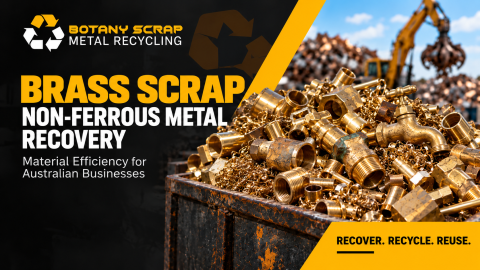
Brass, an alloy of copper and zinc, is a widely used non-ferrous metal with applications in plumbing, musical instruments, electrical components, and industrial machinery. As industries grow, the need to manage brass waste responsibly has become more critical than ever. Brass scrap recycling not only conserves natural resources but also promotes energy efficiency and cost savings.

Companies like Botany Recycling provide professional brass scrap recycling services that help businesses manage their metal waste responsibly while supporting sustainable practices. By understanding the recycling process, the benefits, and its environmental impact, businesses can optimize their operations and reduce operational costs.

What Is Brass Scrap Non-Ferrous Metal Recycling?

Brass scrap recycling involves the collection, sorting, processing, and reuse of discarded brass materials. Unlike ferrous metals, brass does not contain iron, making it resistant to corrosion and highly recyclable. The recycled brass retains its original properties and can be used to manufacture new products without compromising quality.

Common sources of brass scrap include:

  • Plumbing pipes and fittings

  • Electrical connectors and terminals

  • Musical instruments

  • Industrial machinery components

  • Decorative hardware such as knobs and handles

Efficient recycling ensures that these materials are diverted from landfills and reintroduced into industrial supply chains, reducing the need for raw metal extraction.

The Brass Recycling Process

The brass scrap recycling process is comprehensive and requires careful handling to maintain the metal’s quality. The key steps include:

  1. Collection and Segregation
    Brass scrap is collected from industrial, commercial, and residential sources. It is important to separate brass from other metals to maintain purity. This step also includes sorting based on grades, such as yellow brass, red brass, or high-lead brass alloys.

  2. Cleaning and Preparation
    Collected brass scrap often contains impurities, such as paint, plastic, or solder. The scrap is cleaned mechanically or chemically to remove contaminants, ensuring that the final recycled material is of high quality.

  3. Shredding and Melting
    Clean brass scrap is shredded into smaller pieces for uniform melting. The molten brass is then processed in furnaces and alloyed to meet specific industrial standards.

  4. Casting and Forming
    The molten brass is cast into ingots, billets, or rods. These products are then ready to be used in manufacturing new components, such as plumbing fixtures, electrical connectors, or decorative items.

  5. Quality Assurance
    Recycled brass undergoes rigorous quality checks to ensure consistency in chemical composition, mechanical properties, and appearance.

By partnering with professional recyclers like Botany Recycling, businesses can ensure that their brass scrap is processed efficiently, maintaining both quality and sustainability.

Energy Efficiency Benefits of Brass Scrap Recycling

One of the most significant advantages of brass scrap recycling is energy efficiency. Producing brass from recycled scrap consumes far less energy compared to extracting and refining new raw materials. Key benefits include:

  • Energy Savings: Recycling brass scrap uses approximately 60–70% less energy than mining and processing virgin metals.

  • Reduced Greenhouse Gas Emissions: Lower energy consumption leads to a substantial decrease in carbon emissions, supporting climate-friendly industrial practices.

  • Lower Production Costs: Energy-efficient processes reduce utility costs, directly impacting operational profitability.

Using Botany Recycling services ensures that brass scrap is recycled with optimal energy efficiency, providing both environmental and financial advantages.

Cost Savings for Businesses

Brass scrap recycling also offers significant cost benefits for companies. These include:

  • Reduced Raw Material Costs: Recycled brass is often cheaper than purchasing virgin brass.

  • Revenue Generation: Businesses can sell excess brass scrap to professional recyclers, turning waste into profit.

  • Lower Disposal Costs: Diverting scrap from landfills reduces associated disposal fees.

  • Optimized Manufacturing Costs: Recycled brass can be directly used in production, reducing procurement and processing costs.

By leveraging Botany Recycling’s expertise, companies can implement a structured brass recycling program, maximizing cost savings while maintaining compliance with environmental regulations.

Environmental Benefits of Brass Scrap Recycling

Recycling brass scrap is not only economically beneficial but also crucial for environmental sustainability:

  • Reduced Mining Impact: Less extraction of copper and zinc reduces soil degradation and habitat destruction.

  • Lower Pollution: Decreased industrial processing lowers air and water pollutants.

  • Waste Minimization: Diverting scrap brass from landfills reduces metal waste and environmental contamination.

  • Circular Economy Contribution: Recycling supports a sustainable supply chain by reintroducing metals into the production cycle.

Effective recycling practices ensure that industries continue to meet demand while minimizing their ecological footprint.

Just like brass, lead scrap recycling is another critical aspect of non-ferrous metal management. Lead, commonly found in batteries, pipes, and industrial machinery, requires careful recycling due to its toxic properties. Companies like Botany Recycling manage both brass and lead scrap, ensuring that hazardous metals are handled safely and efficiently. Businesses that recycle lead scrap alongside brass can benefit from a comprehensive non-ferrous metal recycling program, maximizing both energy efficiency and cost savings.

Including lead scrap in your recycling strategy also strengthens a company’s commitment to environmental responsibility and sustainable industrial practices.

Applications of Recycled Brass

Recycled brass has a wide range of applications, making it a valuable industrial resource. Key applications include:

  • Plumbing and Electrical Components: Pipes, fittings, connectors, and terminals

  • Industrial Machinery: Gears, bearings, and valves

  • Decorative Hardware: Handles, knobs, and ornamental items

  • Musical Instruments: Brass instruments such as trumpets and trombones

  • Construction Materials: Architectural fittings and hardware

By using recycled brass, manufacturers can produce high-quality products while reducing reliance on virgin metals, further reinforcing cost and energy savings.

Partnering with Botany Recycling

Botany Recycling provides specialized solutions for non-ferrous metal recycling, including brass and lead scrap. Their services include:

  • Collection and pickup of scrap metals from industrial and commercial clients

  • Professional sorting, cleaning, and processing of metals

  • Environmentally responsible recycling practices

  • Transparent reporting and documentation for compliance

Working with Botany Recycling ensures that businesses can streamline their recycling programs, minimize operational costs, and contribute to sustainable industrial practices.

Conclusion

Brass scrap recycling is a strategic approach that offers energy efficiency, cost savings, and environmental benefits. By implementing effective recycling practices, businesses can reduce raw material costs, lower energy consumption, and contribute to a sustainable future.

Why Lead Scrap Non-Ferrous Metal Recycling Is Important for Hazardous Waste Management

Why Lead Scrap Non-Ferrous Metal Recycling Is Important for Hazardous Waste Management - Botany Recycling

Lead is a heavy non-ferrous metal widely used in batteries, electronics, pipes, and industrial equipment. While highly useful, improper disposal of lead scrap can pose serious environmental and health hazards. Recycling lead scrap is essential to manage hazardous waste responsibly, reduce pollution, and promote sustainable industrial practices. Companies like Botany Recycling specialize in professional lead scrap recycling, helping businesses minimize risks while supporting eco-friendly operations.

What Is Lead Scrap Non-Ferrous Metal Recycling?

Lead scrap recycling involves collecting, sorting, and processing used lead materials for safe reuse in manufacturing. Unlike ferrous metals, lead is corrosion-resistant and retains its properties when recycled, making it ideal for non-ferrous metal recycling programs. Common sources of lead scrap include:

  • Automotive batteries

  • Electrical components

  • Plumbing pipes and fittings

  • Industrial machinery

  • Electronic devices

Through efficient recycling, lead scrap is converted into reusable metal while preventing contamination of soil and water, which is critical for hazardous waste management.

Environmental and Health Benefits

Recycling lead scrap has significant environmental and health advantages:

  • Prevents toxic lead from entering landfills or water systems

  • Reduces soil contamination and air pollution

  • Protects human health by minimizing exposure to hazardous materials

  • Conserves natural resources by reducing the need for raw lead extraction

By partnering with Botany Recycling, businesses can ensure their lead scrap is processed safely and responsibly, contributing to a cleaner and safer environment.

Cost and Energy Efficiency Advantages

Lead scrap recycling is also economically and energetically beneficial:

  • Recycling lead uses less energy than producing new lead from ores

  • Reduces industrial energy consumption and associated costs

  • Provides revenue opportunities by selling scrap to professional recyclers

  • Minimizes disposal fees for hazardous materials

Professional recyclers like Botany Recycling help companies maximize these cost and energy savings while maintaining compliance with environmental regulations.

Connection to Brass Scrap Recycling

Lead is often combined with other metals, including brass. Recycling programs that include brass scrap alongside lead scrap can further enhance resource efficiency and reduce waste management costs. Incorporating brass scrap recycling into your operations ensures that multiple non-ferrous metals are safely reused and reintroduced into industrial supply chains, supporting both sustainability and profitability.

Conclusion

Proper lead scrap recycling is crucial for hazardous waste management, environmental protection, and industrial efficiency. By working with experienced recyclers like Botany Recycling, businesses can safely manage lead and other non-ferrous metals, reduce costs, conserve energy, and minimize their environmental footprint.

How Copper Scrap Non-Ferrous Metal Recycling Supports Energy Efficiency and Cost Savings

How Copper Scrap Non-Ferrous Metal Recycling Supports Energy Efficiency and Cost Savings - Botany Recycling

Copper is a crucial non-ferrous metal used in electrical wiring, plumbing, electronics, and industrial machinery. With global demand increasing, proper recycling of copper scrap is essential for both energy efficiency and cost reduction.

Copper scrap non-ferrous metal recycling allows industries to reuse high-quality metal while conserving resources and reducing environmental impact. Companies like Botany Recycling provide professional copper recycling services that help businesses manage scrap responsibly while saving money.

What Is Copper Scrap Non-Ferrous Metal Recycling?

Copper scrap recycling involves collecting, sorting, and processing used copper materials to be reused in manufacturing without losing their properties. Unlike ferrous metals, copper does not contain iron and is resistant to corrosion, making it highly recyclable.

Common sources of copper scrap include:

  • Electrical wiring and cables

  • Plumbing pipes and fittings

  • Industrial machinery parts

  • Electronics and circuit boards

  • Household appliances

Through efficient recycling practices, copper scrap is transformed into reusable metal for industrial and commercial applications.

Energy Efficiency Benefits

One of the most significant advantages of copper scrap recycling is energy efficiency. Producing copper from recycled scrap consumes far less energy than extracting it from raw ore. Specifically:

  • Recycling copper saves up to 85% of the energy compared to mining and refining new copper

  • Reduced energy use decreases greenhouse gas emissions

  • Lower energy costs improve industrial sustainability

By using Botany Recycling services, businesses can ensure that their copper scrap is processed efficiently, maximizing energy savings.

Cost Savings for Businesses

Recycling copper scrap is not only good for the environment but also economically beneficial:

  • Purchasing recycled copper is cheaper than raw copper from mines

  • Reduces production costs for manufacturers

  • Generates revenue by selling scrap to professional recyclers

  • Minimizes disposal costs for waste copper

Partnering with Botany Recycling allows businesses to capitalize on copper’s high market value while supporting eco-friendly practices.

Environmental Benefits

Copper scrap recycling reduces the environmental impact associated with mining and refining:

  • Less mining lowers habitat destruction and soil degradation

  • Decreases air and water pollution

  • Reduces landfill waste by diverting scrap metals for reuse

Efficient recycling practices ensure that copper continues to serve industries while protecting natural resources.

While copper recycling supports energy efficiency and cost savings, it is important to recognize the value of recycling other non-ferrous metals. For example, aluminium scrap recycling also helps reduce environmental impact and conserve energy. Exploring both copper and aluminium recycling practices provides a broader understanding of how non-ferrous metals contribute to sustainable manufacturing and a circular economy.

Placement tip: This paragraph should go just before the conclusion. It naturally introduces related content and allows you to interlink your Aluminium Scrap article.

Conclusion

Copper scrap non-ferrous metal recycling offers clear advantages in energy efficiency, cost savings, and environmental protection. By partnering with trusted recycling companies like Botany Recycling, businesses can manage their copper waste responsibly while maximizing its value.

How Aluminium Non-Ferrous Metal Recycling Helps Reduce Environmental Impact

Aluminium scrap recycling services - Botany Recycling

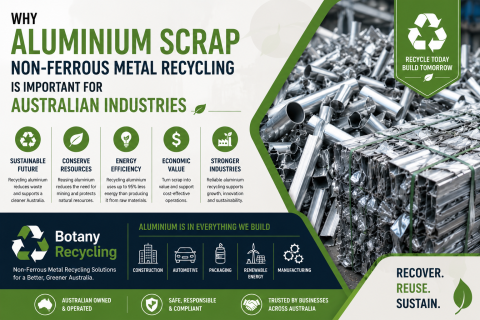
In today’s world, environmental sustainability has become a top priority for industries and individuals alike. One of the most effective ways to reduce environmental damage is through aluminium non-ferrous metal recycling. Aluminium is a highly reusable material, and recycling it significantly reduces waste, energy consumption, and pollution.

Understanding how aluminium non-ferrous metal recycling helps reduce environmental impact is essential for businesses looking to adopt eco-friendly practices. Companies like Botany Recycling are playing a key role by providing responsible and efficient aluminium recycling solutions that support a greener future.

What Is Aluminium Non-Ferrous Metal Recycling?

Aluminium non-ferrous metal recycling is the process of collecting, sorting, and reprocessing aluminium scrap so it can be reused in manufacturing. Unlike ferrous metals, aluminium does not contain iron, which means it is resistant to rust and can be recycled multiple times without losing its quality.

Common sources of aluminium scrap include:

  • Beverage cans

  • Construction materials (windows, doors, frames)

  • Automotive parts

  • Industrial aluminium sheets and offcuts

  • Household aluminium products

By recycling these materials, industries can significantly reduce their environmental footprint.

Reducing Energy Consumption

One of the biggest environmental benefits of aluminium recycling is energy efficiency. Producing aluminium from raw materials requires a large amount of energy. However, recycling aluminium uses up to 95% less energy.

This reduction in energy consumption leads to:

  • Lower carbon emissions

  • Reduced dependence on fossil fuels

  • Decreased industrial energy demand

By choosing recycling services from Botany Recycling, businesses can actively contribute to energy conservation.

Minimizing Landfill Waste

Aluminium waste that is not recycled often ends up in landfills, where it takes years to break down. Recycling prevents this waste from accumulating and reduces pressure on landfill sites.

Benefits include:

  • Less environmental pollution

  • Better waste management

  • More efficient use of resources

Aluminium non-ferrous recycling ensures that valuable materials are reused instead of being discarded.

Reducing Environmental Pollution

Mining and processing raw aluminium can cause air and water pollution. Recycling aluminium reduces the need for mining, which helps protect natural ecosystems.

Environmental benefits include:

  • Reduced air pollution

  • Lower water contamination

  • Preservation of natural habitats

Through sustainable practices, Botany Recycling helps minimize the negative impact of metal production on the environment.

Supporting a Circular Economy

Aluminium is one of the few materials that can be recycled repeatedly without losing its properties. This makes it ideal for a circular economy, where materials are reused instead of wasted.

Recycled aluminium can be used in:

  • Construction and infrastructure

  • Automotive manufacturing

  • Packaging and consumer goods

  • Industrial machinery

By recycling aluminium, businesses support a sustainable system that reduces waste and conserves resources.

Conserving Natural Resources

Recycling aluminium reduces the need to extract bauxite ore, the raw material used to produce aluminium. Mining bauxite can lead to deforestation, habitat destruction, and soil degradation.

By recycling aluminium scrap, we can:

  • Preserve natural resources

  • Protect ecosystems

  • Reduce environmental damage from mining

Why Choose Botany Recycling?

To make this process more efficient and environmentally responsible, companies like Botany Recycling provide professional aluminium non-ferrous metal recycling solutions for businesses and industries.

Understanding aluminium recycling is just one part of the bigger picture of non-ferrous metal sustainability. Businesses and individuals should also explore copper scrap recycling for energy-efficient solutions, brass scrap recycling for durable industrial reuse, and lead scrap recycling for safe and compliant waste management. Together, these non-ferrous metal recycling practices create a strong foundation for environmental protection and long-term resource sustainability.

Key advantages include:

  • Environmentally responsible recycling processes

  • Efficient aluminium scrap collection and processing

  • Competitive pricing

  • Support for sustainable business practices

Conclusion

Understanding how aluminium non-ferrous metal recycling helps reduce environmental impact highlights the importance of responsible waste management. Recycling aluminium not only saves energy but also reduces pollution, conserves natural resources, and supports a circular economy.

Benefits of Recycling Non-Ferrous Brass Scrap Metal

Benefits of Recycling Non-Ferrous Brass Scrap Metal - Botany Recycling

Recycling metal waste has become an essential part of sustainable industry and environmental protection. Among the many recyclable materials, non-ferrous brass scrap metal holds significant value because it can be reused multiple times without losing its quality. Understanding the benefits of recycling non-ferrous brass scrap metal helps businesses and individuals reduce waste, conserve natural resources, and generate financial returns from unused materials.

Companies like Botany Recycling (.com.au) provide reliable recycling solutions that allow industries to safely process and reuse brass scrap while supporting environmentally responsible practices. With professional recycling services, scrap metal that would otherwise go to landfill can be transformed into valuable raw material for manufacturing.

What Is Non-Ferrous Brass Scrap Metal?

Brass is a non-ferrous alloy made from copper and zinc, meaning it does not contain iron and does not rust like ferrous metals. Because of its durability, corrosion resistance, and excellent conductivity, brass is widely used in plumbing, electrical components, mechanical fittings, and decorative hardware.

Common sources of brass scrap include:

  • Plumbing valves and fittings

  • Brass taps and fixtures

  • Radiators and industrial components

  • Decorative hardware and fittings

  • Manufacturing off-cuts

When these products reach the end of their life cycle, they can be collected and recycled instead of being discarded.

Why Recycling Non-Ferrous Brass Scrap Matters

Recycling brass scrap plays an important role in modern waste management and sustainable manufacturing. Instead of extracting new raw materials from the earth, recycled brass can be processed and reused in new products.

This process helps industries reduce environmental impact while maintaining a steady supply of high-quality metal materials.

Major Benefits of Recycling Non-Ferrous Brass Scrap Metal

1. Environmental Protection

One of the most important benefits of brass recycling is environmental protection. Mining and refining raw metals require large amounts of energy and cause environmental disruption. Recycling brass significantly reduces the need for new mining operations, helping protect ecosystems and natural resources.

When brass scrap is recycled properly, it prevents metal waste from ending up in landfills and reduces pollution associated with metal extraction.

2. Energy Efficiency

Producing metal from recycled materials uses far less energy than manufacturing new metal from raw ore. Brass recycling helps industries reduce energy consumption, making production processes more efficient and environmentally friendly.

Lower energy usage also means reduced carbon emissions, contributing to a cleaner and more sustainable industrial sector.

3. Economic Value of Brass Scrap

Brass is considered one of the most valuable non-ferrous metals in the scrap industry. Because it contains copper scrap often holds strong market value.

Businesses, construction companies, and manufacturers can benefit financially by selling brass scrap to professional recyclers like Botany Recycling. Instead of treating brass waste as a disposal problem, it becomes an opportunity to recover valuable materials.

4. Supports Sustainable Manufacturing

Recycled brass can be used to produce new plumbing fixtures, electrical components, industrial machinery parts, and decorative items. This supports a circular economy, where materials are reused rather than discarded.

By recycling brass scrap, manufacturers can reduce their reliance on raw materials while maintaining high production standards.

The Role of Professional Recycling Services

Professional recycling companies ensure that brass scrap is processed safely and efficiently. Services like those provided by Botany Recycling include collection, sorting, cleaning, and processing of scrap metal to prepare it for reuse.

During the recycling process:

  1. Brass scrap is collected from industrial and commercial sources

  2. The materials are sorted and separated from other metals

  3. Contaminants and non-metal components are removed

  4. Brass is melted and refined for reuse in manufacturing

This structured process ensures high-quality recycled metal that meets industrial standards.

Recycling Other Non-Ferrous Metals

While brass recycling offers many benefits, other non-ferrous metals can also be recycled efficiently. For example, Aluminium Scrap recycling helps reduce energy consumption because aluminium can be recycled repeatedly without losing quality.

Similarly, Lead Scrap recycling plays a critical role in managing hazardous metal waste, especially from batteries and industrial applications. Recycling these metals helps reduce environmental risks and supports responsible waste management.

By recycling multiple types of non-ferrous metals, industries can significantly reduce their environmental footprint.

Why Choose Botany Recycling

Choosing a reliable recycling partner is important for businesses that generate metal waste. Botany Recycling offers professional non-ferrous metal recycling services that help companies manage scrap materials responsibly.

Their services support sustainable recycling practices while providing efficient processing for metals such as brass, aluminium, and lead. By working with experienced recyclers, businesses can ensure that their scrap materials are handled safely and effectively.

Conclusion

Understanding the benefits of recycling non-ferrous brass scrap metal highlights the importance of responsible metal recycling in today’s industrial world. Recycling brass helps conserve natural resources, reduce environmental pollution, save energy, and create economic opportunities.

With the support of professional recycling companies like Botany Recycling, businesses and individuals can transform scrap metal into valuable resources while contributing to a more sustainable future. By choosing to recycle brass and other non-ferrous metals, industries play a key role in building a cleaner and more efficient circular economy.

How Non-Ferrous Lead Scrap Recycling Services Work

How Non-Ferrous Lead Scrap Recycling Services Work - Botany Recycling

Non-ferrous metal recycling plays an important role in modern waste management and sustainable manufacturing. Metals like lead, aluminium, and brass can be recycled multiple times without losing their quality. Understanding how non-ferrous lead scrap recycling services work helps businesses and individuals manage metal waste responsibly while protecting the environment.

Companies like Botany Recycling provide professional recycling solutions for different types of non-ferrous metals, including Lead Scrap, Aluminium Scrap, and Brass Scrap. Their recycling services help recover valuable metals from industrial waste, construction materials, and old equipment, turning scrap into reusable resources.

What Is Non-Ferrous Metal Recycling?

Non-ferrous metals are metals that do not contain iron. These metals are highly resistant to corrosion and are widely used in construction, electrical systems, automotive industries, and manufacturing.

Common non-ferrous metals include:

  • Lead

  • Aluminium

  • Brass

  • Copper

  • Zinc

Because these metals maintain their properties after recycling, they are ideal for sustainable metal recovery. Non-ferrous lead scrap recycling services ensure these materials are processed safely and reused in new products.

What Is Lead Scrap?

Lead scrap refers to any discarded material that contains lead and can be recycled. Lead is commonly used in industries because of its durability, corrosion resistance, and high density.

Typical sources of lead scrap include:

  • Lead-acid batteries

  • Lead pipes and sheets

  • Cable coverings

  • Roofing materials

  • Industrial machinery parts

Instead of disposing of these materials, recycling companies like Botany Recycling process lead scrap to recover pure lead for reuse.

How Non-Ferrous Lead Scrap Recycling Services Work

Professional recycling services follow a structured process to ensure safety, efficiency, and environmental compliance.

1. Collection of Lead Scrap

The first step in the recycling process is collecting lead scrap from various sources. Industrial businesses, construction sites, automotive workshops, and households often generate lead-based waste.

Recycling companies provide collection or drop-off services so businesses can dispose of their lead scrap safely.

2. Sorting and Inspection

Once the scrap arrives at the recycling facility, it is carefully inspected and sorted. Non-metal materials such as plastic, rubber, and steel components are removed to ensure only lead materials move to the next stage.

Sorting improves the quality of the recycled metal and increases efficiency in the processing stage.

3. Processing and Cleaning

After sorting, the lead scrap undergoes cleaning and preparation. This stage removes impurities, coatings, and other contaminants.

Specialized equipment is used to prepare the metal for melting while maintaining environmental safety standards.

4. Melting and Refining

The cleaned lead scrap is melted in controlled furnaces. During this stage, impurities are removed and the metal is refined into high-quality recycled lead.

The refined lead can then be molded into ingots or other forms that manufacturers can easily reuse.

5. Reuse in Manufacturing

Recycled lead is widely used in several industries, particularly in battery manufacturing, construction materials, and industrial products.

Because lead can be recycled repeatedly, it supports sustainable production and reduces the need for new mining.

Role of Aluminium Scrap Recycling

In addition to lead recycling, companies like Botany Recycling also handle Aluminium Scrap recycling services.

Aluminium is another valuable non-ferrous metal commonly found in:

  • Beverage cans

  • Window frames and doors

  • Automotive parts

  • Industrial machinery components

Recycling aluminium saves up to 95% of the energy required to produce new aluminium from raw materials. This makes aluminium recycling one of the most energy-efficient recycling processes in the world.

By processing aluminium scrap along with lead scrap, recycling companies help industries reduce waste and recover valuable materials.

Benefits of Non-Ferrous Metal Recycling

Environmental Protection

Recycling non-ferrous metals reduces landfill waste and prevents hazardous materials from polluting soil and water.

Energy Conservation

Producing metals from recycled materials requires far less energy than extracting them from raw ores.

Resource Preservation

Recycling helps conserve natural resources by reducing the demand for mining activities.

Economic Value

Scrap metals like lead and aluminium have high market value, providing financial benefits for businesses and individuals who recycle them.

Why Choose Professional Recycling Services

Professional recycling companies ensure that scrap metals are processed safely and efficiently. Botany Recycling provides reliable recycling solutions for non-ferrous metals, including lead and aluminium scrap.

Their services help businesses:

  • Dispose of metal waste responsibly

  • Recover value from scrap materials

  • Support sustainable environmental practices

  • Comply with recycling and waste management regulations

Conclusion

Understanding how non-ferrous lead scrap recycling services work highlights the importance of responsible metal recycling. Through proper collection, sorting, processing, and refining, valuable metals like lead and aluminium can be recovered and reused in new products.

With professional recycling services from Botany Recycling, businesses and individuals can manage scrap metal efficiently while contributing to a more sustainable and environmentally friendly future.

What Is Non-Ferrous Copper Scrap Recycling and Why Is It Important?

What Is Non-Ferrous Copper Scrap Recycling and Why Is It Important - Botany Recycling

What Is Non-Ferrous Copper Scrap Recycling and Why Is It Important?

Introduction

Non-ferrous metal recycling plays a major role in modern waste management and sustainable industries. Among these metals, copper stands out as one of the most valuable and widely recycled materials. Understanding what non-ferrous copper scrap recycling is and why it is important helps businesses and individuals manage metal waste responsibly.

Companies like Botany Recycling (botanyrecycling.com.au) provide professional recycling services for copper and other metals. In addition to copper recycling, the company also handles aluminium scrap, brass scrap, and lead scrap. As a result, valuable metals stay in circulation instead of ending up in landfills.

What Is Non-Ferrous Copper Scrap?

Non-ferrous metals do not contain significant amounts of iron. Because of this, they resist corrosion and remain highly recyclable. Copper belongs to this category and plays a crucial role in construction, electrical systems, and industrial manufacturing.

Copper scrap refers to unused or discarded copper materials that still contain valuable metal. For example, copper scrap often comes from:

  • Electrical wires and cables

  • Plumbing pipes and fittings

  • Industrial equipment components

  • Air conditioning units

  • Construction and demolition materials

Since copper keeps its quality during recycling, manufacturers can reuse it many times without reducing performance.

Understanding Non-Ferrous Copper Scrap Recycling

Non-ferrous copper scrap recycling involves collecting and processing used copper materials so manufacturers can reuse them. Recycling facilities follow a structured process to ensure efficient metal recovery.

Collection and Transportation

Recycling companies collect copper scrap from construction sites, workshops, factories, and households. After collection, workers transport the materials to recycling facilities.

Sorting and Grading

Next, technicians sort copper scrap based on quality and purity. For instance, high-grade copper wire gets separated from mixed copper materials. This step improves recycling efficiency.

Cleaning and Preparation

After sorting, workers remove insulation, plastic coatings, and other contaminants. Clean materials produce better recycled copper.

Melting and Refining

Finally, recycling facilities melt the copper and refine it to remove impurities. Manufacturers then use the recycled copper to produce new electrical wires, pipes, and industrial components.

Why Non-Ferrous Copper Scrap Recycling Is Important

Environmental Protection

First of all, recycling copper significantly reduces the need for mining. Mining operations often damage ecosystems and consume large amounts of energy. Recycling helps preserve natural resources and reduces environmental impact.

Energy Conservation

Moreover, recycling copper requires far less energy than producing copper from raw ore. As a result, industries can lower carbon emissions and support sustainable manufacturing.

Economic Benefits

Copper scrap also has a strong market value. Therefore, businesses and individuals can earn money by selling scrap copper to recycling companies.

Resource Sustainability

Natural copper resources remain limited. However, recycling keeps existing copper in circulation. Consequently, industries can continue using copper without exhausting natural reserves.

Other Valuable Non-Ferrous Metals Recycled

Copper recycling remains essential. However, recycling companies also process other non-ferrous metals that support sustainable production.

Aluminium Scrap Recycling

Aluminium is lightweight, corrosion-resistant, and widely used in construction, packaging, and transportation. Recycling aluminium scrap saves significant energy and reduces environmental impact. Therefore, many industries rely on recycled aluminium for manufacturing new products.

Lead Scrap Recycling

Lead is commonly used in batteries, construction materials, and industrial equipment. Because lead can harm the environment if disposed of improperly, responsible recycling becomes extremely important. Recycling facilities recover lead safely and return it to manufacturing industries.

Who Benefits from Copper Scrap Recycling?

Non-ferrous copper scrap recycling supports many industries and individuals. For example, the following sectors benefit from recycling services:

  • Construction companies

  • Electrical contractors

  • Manufacturing plants

  • Automotive workshops

  • Metal fabrication businesses

  • Homeowners and small businesses

By recycling copper scrap, these groups reduce waste and recover valuable materials.

Choosing a Reliable Recycling Partner

Selecting the right recycling partner ensures safe and efficient metal processing. Experienced recycling companies follow strict procedures for sorting, processing, and recovering metals.

Botany Recycling offers professional recycling services for copper scrap and other non-ferrous metals. The company focuses on responsible waste management and sustainable metal recovery. As a result, businesses can recycle their scrap materials with confidence.

Conclusion

Non-ferrous copper scrap recycling plays a vital role in sustainable resource management. The process helps industries recover valuable materials, reduce environmental damage, and conserve natural resources.

Copper, along with aluminium and lead, can be recycled many times without losing quality. Therefore, responsible recycling services like those offered by Botany Recycling help create a circular economy where valuable metals remain in use instead of becoming waste.

Advantages of Aluminium Non-Ferrous Recycling

Advantages of aluminum recycling process - botany recycling

Aluminium is one of the most widely used non-ferrous metals in modern industries. From construction materials and automotive parts to packaging and electronics, aluminium plays an essential role in everyday products. However, producing aluminium from raw materials requires a significant amount of energy and natural resources.

This is where aluminium non-ferrous recycling becomes extremely valuable. Recycling aluminium helps conserve resources, reduce environmental impact, and support sustainable manufacturing. Companies like Botany Recycling (botanyrecycling.com.au) provide responsible recycling solutions that make it easier for businesses and individuals to recycle valuable metals.

In addition to aluminium recycling, professional recyclers also handle other non-ferrous metals such as copper scrap and brass scrap, ensuring that reusable metals stay in circulation instead of ending up in landfills.

What Is Aluminium Non-Ferrous Recycling?

Non-ferrous metals are metals that do not contain iron and are known for their corrosion resistance, lightweight properties, and recyclability. Aluminium is one of the most important metals in this category.

Aluminium non-ferrous recycling refers to the process of collecting, sorting, melting, and reusing aluminium scrap to produce new aluminium products. Unlike many other materials, aluminium can be recycled repeatedly without losing its quality or strength.

This makes aluminium one of the most sustainable metals used in industries worldwide.

Major Advantages of Aluminium Non-Ferrous Recycling

Energy Efficiency

One of the biggest advantages of aluminium recycling is the amount of energy it saves. Producing aluminium from recycled materials uses significantly less energy compared to extracting it from bauxite ore.

Lower energy consumption means reduced production costs and fewer greenhouse gas emissions, making aluminium recycling an environmentally responsible solution.

Environmental Protection

Mining and refining raw metals can have a major environmental impact. Aluminium recycling reduces the need for mining operations, which helps protect ecosystems, natural landscapes, and wildlife.

By recycling aluminium and other metals like copper scrap, recycling facilities help reduce landfill waste and environmental pollution.

Resource Conservation

Natural resources are limited, and sustainable industries must focus on conserving them. Recycling aluminium ensures that valuable materials remain in circulation for longer periods.

Instead of extracting new raw materials, recycled aluminium can be used to produce new products such as:

  • Automotive components

  • Building materials

  • Beverage cans

  • Electrical equipment

This helps maintain a balanced supply of materials for various industries.

Economic Benefits

Aluminium scrap has strong market demand because it can be reused efficiently. Recycling provides financial value to businesses and individuals who sell their scrap materials.

Professional recycling companies like Botany Recycling offer competitive pricing for different types of scrap metal, including aluminium, brass scrap, and copper. This allows businesses to turn metal waste into an additional revenue source.

Supports a Circular Economy

A circular economy focuses on reducing waste and reusing materials as much as possible. Aluminium recycling perfectly supports this concept because the metal can be recycled repeatedly without losing its properties.

When aluminium and other metals are recycled properly, they continue to serve industries instead of becoming environmental waste.

Role of Copper Scrap and Brass Scrap Recycling

While aluminium recycling offers many benefits, other non-ferrous metals also play an important role in sustainable metal recovery.

Copper Scrap Recycling

Copper is widely used in electrical systems, plumbing, and industrial machinery. Recycling copper scrap helps reduce the need for mining and ensures that high-quality copper remains available for manufacturing.

Because copper retains its properties during recycling, it is one of the most valuable recyclable metals.

Brass Scrap Recycling

Brass is an alloy made from copper and zinc, commonly used in plumbing fittings, valves, and decorative hardware. Recycling brass scrap helps conserve raw materials and reduces industrial waste.

Professional recycling services ensure that brass materials are processed and reused efficiently in manufacturing.

Why Choose Professional Recycling Services?

Working with a professional recycling company ensures that scrap metals are handled responsibly and efficiently.

Companies such as Botany Recycling provide structured recycling services that include:

  • Scrap metal collection and processing

  • Safe handling of non-ferrous metals

  • Efficient sorting and refining processes

  • Environmentally responsible recycling methods

These services help businesses manage waste more effectively while contributing to sustainable resource management.

Industries That Benefit from Aluminium Recycling

Aluminium recycling supports many industries, including:

  • Construction and infrastructure

  • Automotive manufacturing

  • Packaging and beverage production

  • Electrical and electronics industries

  • Aerospace engineering

By using recycled aluminium, these industries can reduce costs while meeting sustainability goals.

Conclusion

The advantages of aluminium non-ferrous recycling extend far beyond waste reduction. Recycling aluminium saves energy, protects natural resources, supports economic growth, and helps build a sustainable future.

When combined with responsible recycling of metals such as copper scrap and brass scrap, aluminium recycling becomes an essential part of modern environmental management.

With reliable recycling solutions provided by Botany Recycling, businesses and individuals can ensure that their scrap metals are reused efficiently while supporting a cleaner and more sustainable environment.

Lead Scrap Recycling Services with Environmental Compliance

Lead Scrap Recycling Services with Environmental Compliance - Botany Recycling

Lead Scrap Recycling Services with Environmental Compliance play a crucial role in protecting the environment while allowing businesses and individuals to recover value from industrial and commercial waste. Lead is a highly reusable metal, but it is also hazardous if not handled correctly. That is why professional recyclers like Botany Recycling follow strict environmental and safety standards to ensure that lead scrap is collected, processed, and reused in a responsible way.

With growing environmental regulations in Australia, choosing a compliant lead recycling partner is not just good for the planet—it is also essential for legal and operational security.

What Is Lead Scrap?

Lead scrap refers to any used or unwanted lead-based material that can be recycled and reused. Common sources of lead scrap include:

  • Lead-acid batteries

  • Lead pipes and sheets

  • Cable sheathing

  • Roofing materials

  • Radiation shielding

  • Industrial lead offcuts

  • Automotive and marine components

These materials still contain a high percentage of reusable lead, making them extremely valuable when processed through certified lead scrap recycling services.

Why Lead Scrap Recycling Is Important

Recycling lead is not just about metal recovery—it is about environmental protection and human safety.

1. Prevents Environmental Pollution

Lead is toxic. If dumped in landfills, it can contaminate soil and groundwater. Professional recycling prevents this pollution by safely capturing and processing the metal.

2. Supports a Circular Economy

Recycled lead can be used again and again without losing quality. This reduces the need for mining and supports sustainable manufacturing.

3. Reduces Energy Consumption

Producing lead from recycled material uses far less energy than extracting it from ore, helping reduce carbon emissions.

4. Complies with Australian Environmental Laws

Using licensed lead scrap recycling services ensures your business meets all environmental and workplace safety regulations.

How Lead Scrap Recycling Works at Botany Recycling

Botany Recycling follows a safe, structured, and environmentally compliant process for handling lead scrap.

Step 1: Collection & Acceptance

Lead scrap is collected from businesses, workshops, demolition sites, and individuals. Materials are inspected to identify the type and grade of lead.

Step 2: Safe Sorting

Different lead products are separated, and non-lead materials like plastic, rubber, and steel are removed to ensure clean processing.

Step 3: Decontamination & Cleaning

Hazardous residues are safely treated to ensure the lead is processed in a way that protects workers and the environment.

Step 4: Melting & Refining

The lead is melted in controlled facilities and refined to remove impurities, producing high-quality recycled lead.

Step 5: Reuse in Manufacturing

The refined lead is sent back into manufacturing for use in batteries, construction materials, and industrial products.

This process ensures that every step meets environmental compliance standards.

Types of Lead Scrap Accepted

Botany Recycling handles a wide range of lead scrap materials, including:

  • Lead-acid batteries

  • Lead sheets and plates

  • Wheel weights

  • Lead pipes and cable covering

  • Roofing lead

  • Industrial and construction lead waste

Whether you are a small business or a large industrial operator, your lead scrap can be safely recycled.

Environmental Compliance in Lead Recycling

Environmental compliance is the foundation of professional lead recycling.

Botany Recycling ensures:

  • Proper storage of hazardous materials

  • Air and water pollution control

  • Safe handling for workers

  • Responsible waste management

  • Compliance with Australian environmental laws

This protects not only the environment but also your business from legal and financial risk.

Benefits of Choosing Botany Recycling

By choosing Botany Recycling for Lead Scrap Recycling Services with Environmental Compliance, you receive:

  • Competitive market-based pricing

  • Safe and certified recycling processes

  • Environmentally responsible waste management

  • Fast and reliable service

  • Support for sustainable business practices

Who Should Use Lead Scrap Recycling Services?

These services are ideal for:

  • Automotive workshops

  • Battery suppliers

  • Construction companies

  • Demolition contractors

  • Manufacturing plants

  • Marine and industrial businesses

  • Electric and power companies

Any business that generates lead waste should use compliant recycling services.

Conclusion

Lead Scrap Recycling Services with Environmental Compliance are essential for protecting the environment, meeting legal requirements, and recovering valuable materials. Botany Recycling offers safe, efficient, and eco-friendly lead recycling solutions that help businesses and individuals manage their waste responsibly while supporting a cleaner and more sustainable future.

Brass Scrap Recycling Value & Sustainability with Botany Recycling

Brass Scrap Recycling: Value & Sustainability - Botany Recycling

Introduction

Brass Scrap Recycling is one of the most profitable and environmentally responsible ways to manage non-ferrous metal waste. Brass, which is an alloy of copper and zinc, is widely used in plumbing fittings, industrial parts, electrical components, and decorative items. Instead of letting old brass products go to landfill, recycling them through Botany Recycling helps protect the environment while generating strong financial returns.

Botany Recycling is a trusted name in professional brass scrap recycling, offering efficient, transparent, and eco-friendly recycling solutions for businesses and individuals across Australia.

What is Brass Scrap?

Brass scrap refers to any discarded material made primarily from brass. These materials are collected after they reach the end of their usable life and can be recycled into new brass products without losing quality.

Common types of brass scrap include:

  • Plumbing fittings and taps

  • Brass pipes and tubes

  • Radiators and heat exchangers

  • Valves and connectors

  • Industrial machine parts

  • Decorative brass items

Because brass is highly recyclable, it can be melted and reused again and again, making it a valuable part of the circular economy.

Why Brass Scrap Recycling is Important

1. Environmental Protection

Mining and processing new metals causes pollution, deforestation, and high carbon emissions. Recycling brass reduces the need for raw material extraction and significantly lowers environmental damage.

By choosing Botany Recycling for brass scrap recycling, you help:

  • Reduce landfill waste

  • Save natural resources

  • Lower greenhouse gas emissions

  • Support sustainable metal production

2. Energy Efficiency

Recycling brass requires far less energy compared to producing brass from newly mined copper and zinc. This means lower industrial pollution and reduced strain on power resources.

3. Economic Value

Brass has a high resale value in the scrap metal market. Its copper content makes it one of the most profitable non-ferrous metals. Whether you are a contractor, plumber, manufacturer, or homeowner, recycling brass scrap with Botany Recycling allows you to convert waste into money.

Types of Brass Accepted by Botany Recycling

Botany Recycling accepts a wide range of brass scrap, including:

  • Yellow brass

  • Red brass

  • Brass turnings and shavings

  • Brass fittings

  • Mixed brass scrap

  • Brass radiators

  • Plumbing and industrial brass

Their experienced team sorts and grades all brass accurately to ensure customers receive fair and competitive prices.

Brass Scrap Recycling Process at Botany Recycling

Botany Recycling follows a professional and environmentally responsible process to ensure maximum recovery and minimum waste.

1. Collection & Drop-Off

Customers can bring their brass scrap directly to Botany Recycling or arrange bulk collection for industrial quantities.

2. Sorting & Inspection

The brass is carefully inspected and separated from other metals, plastics, and contaminants. This step ensures higher quality recycling and better pricing.

3. Cleaning

Any unwanted materials such as rubber, paint, or plastic are removed to improve the purity of the brass.

4. Melting & Refining

The clean brass is melted in high-temperature furnaces and refined to remove impurities. This produces high-quality recycled brass that can be reused in manufacturing.

5. Reuse in Manufacturing

Recycled brass is then supplied to industries that use it for new products, including plumbing, automotive, electrical, and construction sectors.

Why Choose Botany Recycling for Brass Scrap?

Botany Recycling is known for reliability, transparency, and environmentally responsible recycling.

Key benefits include:

  • Competitive brass scrap prices

  • Accurate weighing and grading

  • Fast and efficient service

  • Eco-friendly recycling practices

  • Support for both small and large suppliers

  • Compliance with environmental and safety standards

Whether you are clearing out old plumbing parts or managing industrial scrap, Botany Recycling ensures you get the best value for your brass.

Industries That Benefit from Brass Scrap Recycling

Brass scrap recycling plays a vital role in many industries, including:

  • Plumbing and construction

  • Automotive manufacturing

  • Electrical and electronics

  • Heavy machinery

  • Engineering and fabrication

  • Home renovation and demolition

Recycled brass from Botany Recycling helps keep production costs lower and reduces reliance on imported raw materials.

The Role of Brass Recycling in Sustainability

Brass scrap recycling supports a circular economy where materials are reused instead of wasted. By recycling brass with Botany Recycling, you are directly contributing to:

  • Sustainable manufacturing

  • Reduced mining activity

  • Lower carbon footprint

  • Cleaner air, soil, and water

This makes brass recycling not just a business decision, but also a responsible environmental choice.

Conclusion

Brass Scrap Recycling Value & Sustainability with Botany Recycling represents a smart way to protect the environment while earning from unused metal. Brass is a durable, high-value, and endlessly recyclable material, and Botany Recycling ensures it is processed efficiently and responsibly.

If you have brass scrap, choosing Botany Recycling means you are choosing sustainability, profitability, and professional service — all in one solution.