Is Brass or Copper Worth More in Scrap

Is Brass or Copper Worth More in Scrap

When it comes to scrapping metals, understanding their value is crucial for getting the best return. Two of the most commonly recycled non-ferrous metals are brass and copper. But which one is worth more in scrap? Let’s break it down.

Copper: The King of Scrap Metals

Copper is one of the most valuable metals in the scrap industry. It is widely used in electrical wiring, plumbing, and industrial applications due to its excellent conductivity and corrosion resistance. There are different grades of copper scrap, including:

  • Bare Bright Copper – The most valuable, clean, and pure form of copper.

  • Copper – Clean copper tubing or wire with no paint, solder, or attachments.

  • Copper – Copper with some impurities like paint or solder.

Due to its high demand and widespread use, copper typically fetches a higher price per pound compared to brass.

Brass: Valuable, But Less Than Copper

Brass is an alloy of copper and zinc, commonly found in plumbing fixtures, musical instruments, and decorative pieces. While brass is valuable in the scrap market, its worth is lower than pure copper because it is not a pure metal. However, it still brings in a decent price, especially if it is clean and free of contaminants like plastic or steel.

Which is Worth More?

In general, copper is worth more than brass in scrap value due to its purity and high demand in electrical and industrial applications. While brass is still a profitable metal to recycle, copper usually commands nearly twice the price per pound or more, depending on market conditions.

Maximizing Your Scrap Value at Botany Recycling

At Botany Recycling, we offer competitive rates for both copper and brass. If you’re looking to recycle scrap metal, bring it to us for the best prices and eco-friendly disposal. To get an updated price quote, contact us today!

What is Aluminium Casting Scrap?

What is Aluminium Casting Scrap

Aluminium is one of the most widely used metals across various industries, thanks to its lightweight, corrosion resistance, and excellent conductivity. Among the different types of aluminium scrap, aluminium casting scrap plays a crucial role in metal recycling and manufacturing.

At Botany Recycling, we specialize in collecting, processing, and reselling aluminium casting scrap to promote sustainability and efficient resource utilization. In this article, we will explore what aluminium casting scrap is, its benefits, and how recycling it contributes to a greener environment.

Understanding Aluminium Casting Scrap

Aluminium casting scrap refers to discarded aluminium parts that were initially produced through casting processes such as sand casting, die casting, or investment casting. This type of scrap originates from various sources, including industrial waste, defective castings, and end-of-life products.

Manufacturers often use aluminium casting to produce engine blocks, automotive parts, machinery components, and other structural elements. Over time, these parts may become obsolete or damaged, leading to their disposal as scrap. However, instead of being wasted, aluminium casting scrap can be collected and recycled for reuse.

Benefits of Recycling Aluminium Casting Scrap

Economic Advantages

Recycling aluminium casting scrap reduces the need for primary aluminium extraction, which is an expensive and energy-intensive process. Companies in the manufacturing and metal industries benefit financially by sourcing recycled aluminium, lowering production costs without compromising material quality.

Energy Conservation

Producing new aluminium from raw bauxite requires significant energy consumption. However, recycling aluminium scrap uses only 5% of the energy needed for primary production. This massive energy savings helps lower carbon footprints and supports a more sustainable industrial ecosystem.

Environmental Impact

Recycling aluminium casting scrap significantly reduces mining activities, decreasing land degradation and pollution. Additionally, repurposing scrap metal prevents it from ending up in landfills, reducing waste accumulation and the release of harmful substances into the environment.

High Market Value

Due to its recyclability and widespread industrial applications, aluminium casting scrap holds a strong market demand. Scrap dealers, manufacturers, and foundries actively seek high-quality aluminium scrap to reprocess it into usable metal for new production cycles.

Supports Circular Economy

The recycling of aluminium casting scrap promotes a circular economy by keeping materials in continuous use. Instead of relying on finite natural resources, industries can depend on recycled aluminium to maintain production efficiency while minimizing waste.

How is Aluminium Casting Scrap Recycled?

The aluminium casting scrap recycling process involves several steps to ensure the material is effectively repurposed for reuse.

Collection & Sorting

Aluminium scrap is collected from various sources such as manufacturing plants, auto repair shops, construction sites, and demolition projects. The scrap is then sorted to remove any impurities or non-aluminium materials.

Shredding & Cleaning

Once sorted, the scrap is shredded into smaller pieces to facilitate melting. The material is also cleaned to remove coatings, oils, and contaminants that could affect the quality of the final product.

Melting & Refining

The shredded aluminium is melted in a furnace at high temperatures. During this process, refining agents are used to eliminate impurities and improve the metal’s quality.

Casting into New Products

After melting, the purified aluminium is cast into ingots, billets, or new components for various industries, ensuring a continuous supply of recycled aluminium for manufacturing.

Where to Sell Aluminium Casting Scrap?

If you have aluminium casting scrap, selling it to a reputable recycling company like Botany Recycling ensures you receive competitive pricing while contributing to sustainable practices. We accept various aluminium scrap types, providing efficient processing and environmentally friendly recycling solutions.

Why Choose Botany Recycling?

  • Competitive pricing for aluminium scrap
  • Environmentally responsible recycling processes
  • Reliable collection and processing services
  • Commitment to sustainability and resource conservation

Conclusion

Aluminium casting scrap is an essential part of the metal recycling industry, offering numerous environmental and economic benefits. Through responsible recycling practices, we can reduce energy consumption, lower waste, and support a sustainable future. At Botany Recycling, we are dedicated to providing top-notch aluminium scrap recycling services, ensuring efficient reuse of valuable materials.

What is the future of lead recycling?

What is the future of lead recycling?

As industries and governments increasingly focus on sustainability, the future of lead recycling stands as a critical component of circular economies. The process of lead recycling not only addresses environmental concerns but also provides economic benefits by reducing the need for virgin lead mining. Botany Recycling, a leading company in the field, is at the forefront of revolutionizing lead recycling practices for the future. This article will explore the key trends and innovations in lead recycling and how Botany Recycling is shaping the future of this essential industry.

The Growing Demand for Lead Recycling

Lead is a highly toxic metal that can pose significant health risks if not managed properly. It is used in various industries, including in batteries (especially lead-acid batteries), electronics, and even in certain types of glass and radiation shielding. As industries continue to use lead in various applications, recycling the material becomes increasingly essential to minimize the environmental and health impacts.

Lead-acid batteries, for example, are one of the largest sources of lead waste. The demand for lead-acid batteries in electric vehicles, backup power systems, and renewable energy storage is projected to grow in the coming years. This surge in demand makes efficient recycling even more crucial, as it ensures that lead can be reused instead of being discarded, contributing to a more sustainable future.

Technological Advancements in Lead Recycling

Technological innovation plays a pivotal role in the future of lead recycling. Traditional recycling methods, while effective, are often energy-intensive and can result in the emission of harmful gases. However, new technologies are being developed to make lead recycling processes more efficient and environmentally friendly.

Botany Recycling is committed to embracing these technological advancements. Through state-of-the-art techniques, including hydrometallurgical and pyrometallurgical processes, the company is improving the recovery rate of lead from used batteries and other lead-containing materials. These methods are not only more energy-efficient but also reduce the risk of pollution during the recycling process.

For example, advanced electrochemical processes are being explored to recycle lead more efficiently, without relying on high temperatures or the release of toxic gases. Additionally, innovations like robotic sorting systems allow for the precise separation of materials, leading to higher-quality lead recovery and minimizing waste.

The Role of Circular Economy

The concept of the circular economy is increasingly gaining traction as a way to minimize waste and promote the continuous use of materials. Lead is one of the best-suited materials for circular economy principles due to its ability to be recycled infinitely without losing its properties. In a true circular economy, lead is recovered, reused, and reintroduced into the supply chain with minimal loss or degradation in quality.

Botany Recycling exemplifies the principles of the circular economy by focusing on the long-term sustainability of lead recycling. By investing in advanced technologies and methods, the company ensures that lead is recycled in a way that maximizes resource efficiency while minimizing environmental impacts.

Environmental and Health Benefits

The future of lead recycling holds significant promise for reducing the environmental and health risks associated with lead exposure. Proper recycling prevents lead from entering landfills or the environment, where it can leach into soil and water, posing risks to both human health and wildlife.

Recycling also reduces the need for mining, which is not only energy-intensive but also causes extensive environmental damage. The environmental benefits of lead recycling are clear, especially as the world transitions to greener, more sustainable industrial practices.

Botany Recycling’s commitment to improving lead recycling processes is part of its larger environmental strategy to mitigate the harmful effects of lead. By continuously striving to innovate, the company is helping to create a cleaner, safer environment for future generations.

The Role of Policy and Regulation

Government regulations and policies play a significant role in shaping the future of lead recycling. Many countries have established stringent regulations regarding the disposal and recycling of lead, especially in relation to lead-acid batteries. As concerns about pollution and climate change grow, governments are likely to introduce even more rigorous regulations to encourage sustainable practices in lead recycling.

Botany Recycling stays ahead of these regulatory developments, ensuring compliance while also driving industry standards. By working closely with policymakers and participating in global sustainability initiatives, the company ensures that its practices align with the evolving landscape of environmental protection and public health.

A Sustainable Future for Lead Recycling

The future of lead recycling is bright, thanks to technological advancements, a growing focus on the circular economy, and a commitment to sustainability. Companies like Botany Recycling are paving the way for a more sustainable and eco-friendly future by employing cutting-edge technologies and practices to make lead recycling more efficient and environmentally responsible.

As demand for lead continues to rise, especially in the energy storage sector, the need for effective recycling will only become more pressing. With ongoing innovations and a commitment to sustainability, lead recycling will play a crucial role in reducing the environmental impact of industrial processes, safeguarding public health, and supporting a circular economy.

In the future, the importance of lead recycling will only continue to grow, and with companies like Botany Recycling leading the way, the world is one step closer to achieving a cleaner, greener future.

What are the disadvantages of recycling Aluminum

What are the disadvantages of recycling Aluminum

Recycling aluminum is widely recognized for its environmental and economic benefits, including significant energy savings and reduced carbon emissions. However, there are several disadvantages associated with aluminum recycling that are important to consider.

Energy Consumption and High Melting Point

While recycling aluminum uses only about 5% of the energy required to produce new aluminum from raw materials, the process still demands substantial energy. Aluminum has a high melting point of approximately 660 degrees Celsius, necessitating considerable energy to melt and process recycled materials. This energy consumption can strain natural resources and contribute to environmental concerns if the energy is sourced from non-renewable resources.

Quality Degradation of Recycled Aluminum

Repeated recycling of aluminum can lead to the accumulation of impurities, particularly silicon. These impurities can degrade the quality of the recycled aluminum, limiting its applications. For instance, the aerospace industry imposes strict purity standards, restricting impurity levels of silicon and iron to a maximum of 0.40%. Maintaining these standards becomes increasingly challenging with each recycling cycle, potentially necessitating additional refining processes to meet performance requirements.

Production of Harmful Byproducts

The recycling process generates byproducts such as white dross, a residue containing valuable aluminum but also hazardous materials. White dross reacts with water, releasing gases like hydrogen, acetylene, and ammonia, which can spontaneously ignite upon contact with air. Managing these byproducts poses environmental and safety challenges, as improper disposal can lead to soil and water contamination.

Economic and Environmental Costs of Collection and Transportation

The logistics of collecting, sorting, and transporting recyclable aluminum can offset some of the environmental benefits. The processes involved may consume significant energy and resources, potentially diminishing the overall net environmental gains of recycling efforts. Critics argue that the costs and energy used in collection and transportation detract from the energy saved in the production process.

Limited Recycling Cycles

Unlike some materials, aluminum can only be recycled a limited number of times before its quality degrades beyond usability. This limitation means that, eventually, recycled aluminum must be replaced with new material, perpetuating the demand for raw aluminum extraction and the associated environmental impacts.

Conclusion

while aluminum recycling offers notable benefits, it also presents challenges such as energy consumption, quality degradation, hazardous byproducts, logistical complexities, and limitations in recycling cycles. Addressing these issues requires ongoing technological advancements, efficient recycling practices, and comprehensive policies to ensure that the advantages of recycling outweigh the associated disadvantages.

What is the most profitable copper scrap?

What is the most profitable copper scrap?

Copper scrap recycling is a lucrative endeavor, offering both environmental and financial benefits. The profitability of copper scrap largely depends on its grade, with higher-purity materials commanding better prices. Understanding the different types of copper scrap can help you maximize returns.

Types of Copper Scrap

  1. Bare Bright Copper: This is the most valuable grade, consisting of pure, uncoated, and unalloyed copper wire or cable with a minimum purity of 99%. It’s typically sourced from new construction scraps, electrical wires, and plumbing scraps.

  2. Copper: This category includes clean, uncoated, and unalloyed copper solids such as tubing, pipes, and clippings, with a purity level ranging from 96% to 99%. To qualify, the copper should be free from solder, coating, or excessive oxidation.

  3. Copper: This type encompasses copper with a purity of about 94% or less, including tarnished, oxidized, or weathered pieces. Common sources are older construction scraps or roofing copper. Minor contaminants like solder, paint, or coatings are acceptable.

Maximizing Profit with Botany Recycling

For those in Sydney, Australia, Botany Recycling offers competitive prices for copper scrap. They specialize in processing non-ferrous metals, including various grades of copper, and provide services such as collection, transportation, and free bin services.

Preparation Tips

  • Sorting: Separate your copper scrap by grade to ensure you receive the highest possible payment.

  • Cleaning: Remove any contaminants like insulation, paint, or solder. Clean copper is more valuable and can be achieved by stripping insulation from wires and ensuring the copper is free from dirt and oil.

Conclusion

The most profitable copper scrap is Bare Bright Copper due to its high purity and demand. By understanding the different grades and properly preparing your scrap, you can maximize your returns. For residents in Sydney, partnering with reputable recyclers like Botany Recycling can ensure competitive pricing and efficient service.

What Is the Best Way to Recycle Brass?

What Is the Best Way to Recycle Brass?

Brass is a valuable metal commonly used in plumbing fixtures, musical instruments, and various industrial applications. Recycling brass is essential for reducing waste and conserving natural resources. If you’re looking for the best way to recycle brass, Botany Recycling provides an efficient and eco-friendly solution.

Understanding Brass Recycling

Brass is an alloy primarily made of copper and zinc, making it highly recyclable. Unlike some materials that degrade after multiple recycling processes, brass retains its properties, allowing it to be reused indefinitely.

Steps for Recycling Brass

  1. Sorting and Identifying Brass – Brass comes in different grades, such as yellow brass (common in plumbing) and red brass (containing more copper). Sorting different types of brass ensures higher recycling efficiency.
  2. Cleaning the Brass – Remove any contaminants like plastic, rubber, or steel attachments. Pure brass is more valuable and easier to process.
  3. Taking It to a Recycling Facility – Instead of discarding brass, take it to a specialized recycling center like Botany Recycling, which ensures proper processing and reusability.
  4. Melting and Reprocessing – Once collected, brass is melted, purified, and reshaped into new products. This process reduces the need for new raw materials, conserving natural resources.

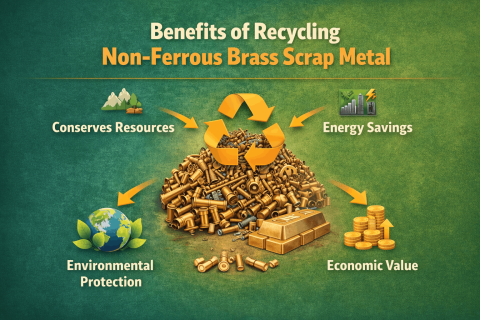
Benefits of Recycling Brass

  • Environmental Conservation – Reduces the need for mining and decreases pollution.
  • Energy Efficiency – Recycling brass consumes less energy compared to extracting new metal.
  • Economic Value – Many recycling centers, including Botany Recycling, offer competitive rates for brass, making it a financially rewarding choice.

Where to Recycle Brass?

Botany Recycling specializes in handling and processing brass efficiently. With a commitment to sustainability and responsible waste management, they offer easy drop-off options and fair pricing for scrap brass.

Conclusion

Recycling brass is a simple yet effective way to contribute to environmental conservation and economic sustainability. By following proper sorting and cleaning methods and utilizing services like Botany Recycling, you can ensure that brass is reused efficiently instead of ending up in landfills. Choose sustainable recycling practices and make a difference today!


Aluminum Scrap Recycling The Sustainable Future of This Non-Ferrous Metal

Aluminum Scrap Recycling The Sustainable Future of This Non-Ferrous Metal

In today’s environmentally conscious world, recycling has become a crucial part of sustainable resource management. One of the most valuable materials in the recycling industry is aluminum, a non-ferrous metal known for its durability, lightweight properties, and infinite recyclability. At Botany Recycling, we specialize in aluminum scrap recycling, ensuring that this valuable resource is efficiently reused and contributes to a greener planet.

Why Recycle Aluminum?

Aluminum is a highly sought-after non-ferrous metal due to its numerous benefits, including corrosion resistance, conductivity, and versatility. Recycling aluminum scrap conserves natural resources, reduces energy consumption, and minimizes waste in landfills. Compared to producing new aluminum from raw materials, recycling saves up to 95% of the energy required, significantly reducing carbon emissions.

The Aluminum Scrap Recycling Process

  1. Collection & Sorting: We collect aluminum scrap from various sources, including industrial waste, discarded household items, and automotive parts. Our advanced sorting techniques separate aluminum from other materials to ensure purity.
  2. Shredding & Cleaning: The aluminum scrap is shredded into smaller pieces and thoroughly cleaned to remove any contaminants such as paint, coatings, or other metals.
  3. Melting & Refining: The cleaned aluminum is then melted in high-temperature furnaces. During this stage, impurities are removed, and the molten aluminum is refined to achieve the desired composition.
  4. Casting & Reuse: Once purified, the molten aluminum is cast into ingots or sheets, which are then used in manufacturing new products across various industries, including construction, automotive, and packaging.

Environmental and Economic Benefits

  • Energy Efficiency: Recycling requires significantly less energy than extracting aluminum from raw bauxite ore.
  • Waste Reduction: Prevents aluminum from ending up in landfills, reducing environmental pollution.
  • Economic Growth: Creates job opportunities in the recycling and manufacturing industries.
  • Sustainable Supply Chain: Helps industries maintain a stable supply of aluminum while reducing dependence on virgin materials.

Conclusion

Aluminum scrap recycling plays a vital role in sustainable resource management and environmental conservation. At Botany Recycling, we are committed to responsible recycling practices that benefit both the economy and the planet. By choosing to recycle aluminum, businesses and individuals contribute to a cleaner, greener future.

Copper Scrap Recycling A Sustainable Approach to Non-Ferrous Metal Recovery

Copper Scrap Recycling A Sustainable Approach to Non-Ferrous Metal Recovery

In today’s world, recycling has become a crucial aspect of sustainability and resource conservation. One of the most valuable and commonly recycled non-ferrous metals is copper. At Botany Recycling, we specialize in the efficient and eco-friendly recycling of copper scrap, ensuring that this valuable metal is reused rather than wasted.

Why Recycle Copper Scrap?

Copper is a highly sought-after material due to its excellent conductivity, corrosion resistance, and versatility. However, mining and processing raw copper can be both energy-intensive and harmful to the environment. Recycling copper scrap reduces the need for virgin copper, conserving natural resources and lowering carbon emissions.

Benefits of Copper Scrap Recycling

  1. Energy Conservation: Recycling copper requires significantly less energy compared to extracting new copper from ores.
  2. Environmental Protection: It minimizes mining activities, reducing soil degradation, water pollution, and habitat destruction.
  3. Economic Advantages: The copper recycling industry supports jobs and contributes to the economy while providing affordable raw materials.
  4. Sustainability: Copper can be recycled indefinitely without losing its quality or properties, making it a sustainable choice.

Sources of Copper Scrap

Copper scrap is widely available from various sources, including:

  • Electrical wires and cables
  • Plumbing materials
  • Industrial machinery and equipment
  • Old electronics and appliances

The Copper Scrap Recycling Process at Botany Recycling

At Botany Recycling, we follow a structured and environmentally responsible approach to copper scrap recycling:

  1. Collection & Sorting: Copper scrap is gathered from different sources and sorted based on purity and type.
  2. Processing & Cleaning: Impurities are removed to ensure the highest quality of recycled copper.
  3. Melting & Refining: The cleaned copper is melted and refined to produce reusable copper material.
  4. Recycling & Resale: The refined copper is then supplied back to industries for manufacturing new products.

Why Choose Botany Recycling?

  • Environmentally Friendly Practices: We adhere to sustainable recycling processes to minimize waste and pollution.
  • Competitive Pricing: We offer fair prices for copper scrap, benefiting both businesses and individuals.
  • Efficient Services: With a streamlined process, we ensure quick and hassle-free recycling.

Conclusion

Copper scrap recycling is an essential practice that benefits the environment, economy, and industries. By choosing Botany Recycling, you contribute to a greener planet while also making the most out of valuable non-ferrous metals. If you have copper scrap to recycle, reach out to us today and be a part of the sustainability movement!

Scrap Yard Botany Your Go-To Destination for Recycling

Scrap Yard Botany Your Go-To Destination for Recycling

In today’s world, recycling plays a crucial role in preserving the environment and reducing waste. If you’re looking for a reliable place to recycle non-ferrous metals, Botany Recycling is your go-to destination. As a leading scrap yard in Botany, they specialize in handling various types of non-ferrous metals, ensuring that materials are processed in an eco-friendly and efficient manner.

What Are Non-Ferrous Metals?

Non-ferrous metals are those that do not contain significant amounts of iron, making them resistant to rust and corrosion. These metals are highly valuable in the recycling industry due to their ability to be reused multiple times without degrading in quality. Some common non-ferrous metals include:

  • Aluminum – Found in beverage cans, window frames, and car parts.
  • Copper – Used in electrical wiring, plumbing, and motors.
  • Brass – A mix of copper and zinc, often used in fittings and musical instruments.
  • Lead – Found in batteries and protective shielding.
  • Zinc – Used in galvanizing steel to prevent rusting.

Why Choose Botany Recycling for Non-Ferrous Metal Scrap?

1. Competitive Pricing

Botany Recycling offers top market rates for your non-ferrous metal scrap. Their transparent pricing ensures that customers receive fair compensation based on the current market value of metals.

2. Environmentally Responsible Recycling

Recycling non-ferrous metals reduces the need for mining, conserves natural resources, and decreases environmental pollution. Botany Recycling follows strict environmental guidelines to ensure responsible metal processing.

3. Efficient and Friendly Service

With years of experience in the industry, Botany Recycling has built a reputation for providing excellent customer service. Their team ensures a seamless experience, whether you’re an individual recycler or a business with bulk scrap metal needs.

4. Convenient Location in Botany

Located in the heart of Botany, the scrap yard is easily accessible to residents and businesses in the area. Their well-equipped facility makes it convenient for customers to drop off their scrap and get paid quickly.

5. Acceptance of Various Non-Ferrous Metals

Botany Recycling accepts a wide range of non-ferrous metals, making it a one-stop solution for all your recycling needs. Whether you have old copper pipes, aluminum cans, or brass fittings, you can bring them in for recycling and receive instant cash.

Conclusion

If you have non-ferrous metal scrap lying around, don’t let it go to waste. Bring it to Botany Recycling, the trusted scrap yard in Botany, where you can recycle responsibly while earning money. With competitive prices, eco-friendly practices, and excellent customer service, Botany Recycling is the perfect choice for all your metal recycling needs.

Maximizing Profits from Scrap A Guide

Maximizing Profits from Scrap A Guide by Botany Recycling

In today’s environmentally conscious world, the recycling of scrap metal is not only a sustainable practice but also a lucrative business opportunity. At Botany Recycling, we specialize in helping individuals and businesses turn waste into wealth by effectively managing and recycling scrap materials. This article will guide you through the best practices for maximizing profits from scrap metal recycling.

Understanding the Value of Scrap Metal

Scrap metal is a valuable commodity with a significant market demand. Metals like copper, aluminum, brass, steel, and lead are highly sought after due to their recyclability and versatility. The value of scrap metal fluctuates based on market conditions, so staying informed about current prices is crucial. At Botany Recycling, we provide real-time updates on metal prices, ensuring you get the best deal for your scrap.

Tips to Maximize Profits

Sort and Separate Your Scrap

Organizing your scrap metal into different categories can significantly increase its value. Separate non-ferrous metal scrap (like steel and iron) from non-ferrous metals (like copper and aluminum), as non-ferrous metals typically fetch higher prices. Use a magnet to easily identify non-ferrous metal scrap—if it sticks, it’s non-ferrous metal scrap.

Clean Your Scrap

Removing non-metal attachments, such as plastic or rubber, can increase the value of your scrap. Clean and pure metals are more desirable to recyclers and command better prices.

Understand Market Trends

Scrap metal prices can vary daily based on global demand, economic factors, and industry trends. Keep an eye on the market and sell your scrap when prices are high. Our website at Botany Recycling offers a regularly updated pricing chart to help you decide the best time to sell.

Build Relationships with Recyclers

Establishing a reliable partnership with a trusted recycler like Botany Recycling can lead to better deals and consistent service. We offer transparent pricing, convenient drop-off locations, and exceptional customer support.

Collect in Bulk

Selling scrap metal in larger quantities can often yield higher per-unit prices. Accumulate your scrap until you have enough to make a significant delivery, ensuring you get the most value for your efforts.

Know the Laws and Regulations

Familiarize yourself with local laws regarding scrap metal recycling. Some areas require documentation or identification for selling certain metals. Staying compliant ensures smooth transactions and avoids legal complications.

The Environmental and Economic Benefits

Recycling scrap metal not only boosts your profits but also benefits the environment. By recycling metals, you help reduce the need for mining, conserve natural resources, and minimize energy consumption. At Botany Recycling, we are committed to sustainable practices, ensuring that your scrap is processed responsibly.

Why Choose Botany Recycling?

As a leading scrap metal recycling company, Botany Recycling offers unmatched services and expertise. Here’s why you should choose us:

  • Competitive Prices: We provide top-dollar payouts for your scrap metal.
  • Convenience: With multiple drop-off locations and pick-up services, recycling has never been easier.
  • Expert Guidance: Our team of professionals is ready to help you maximize your profits and understand the recycling process.

Start Recycling Today

Turning scrap into cash has never been more accessible or rewarding. Visit Botany Recycling today to learn more about how you can profit from recycling scrap metal. Whether you’re an individual looking to declutter or a business seeking to streamline waste management, we’re here to help you achieve your goals.

Recycling scrap metal is not just about profits—it’s about making a positive impact on the planet. Let Botany Recycling guide you in transforming your waste into wealth while contributing to a greener future.