Comprehensive Aluminium Scrap Recycling with Botany Recycling

Comprehensive Aluminium Scrap Recycling - Botany Recycling

Aluminium is one of the most valuable and environmentally friendly metals to recycle. With growing industrial use and sustainability demands, aluminium scrap recycling has become a vital part of the global circular economy. Botany Recycling offers a comprehensive aluminium scrap recycling solution that helps businesses, industries, and individuals convert waste aluminium into reusable resources while protecting the environment.

This guide explains how aluminium recycling works, why it matters, and why Botany Recycling is a trusted name in aluminium scrap recycling.

What is Aluminium Scrap?

Aluminium scrap refers to any used or leftover aluminium material that is no longer needed but still has recycling value. It includes:

  • Aluminium cans

  • Window frames

  • Industrial aluminium off-cuts

  • Aluminium sheets and plates

  • Automotive aluminium parts

  • Aluminium wires and extrusions

Instead of ending up in landfills, these materials can be recycled and reused multiple times without losing quality.

Why Aluminium Scrap Recycling is Important

Aluminium is one of the few metals that can be recycled endlessly without degrading. Recycling aluminium provides major environmental and economic benefits.

1. Saves Energy

Recycling aluminium uses up to 95% less energy than producing aluminium from raw bauxite ore.

2. Reduces Environmental Pollution

Mining and refining aluminium creates air and water pollution. Recycling eliminates the need for excessive mining.

3. Conserves Natural Resources

By reusing aluminium, fewer natural resources are extracted from the earth.

4. Supports Sustainable Manufacturing

Recycled aluminium is used in construction, packaging, automotive, electronics, and many other industries.

Botany Recycling plays an important role in keeping aluminium in circulation instead of waste streams.

About Botany Recycling

Botany Recycling is a professional scrap metal recycling company specializing in non-ferrous metals including aluminium, copper, brass, and lead. Their aluminium recycling services are designed to be efficient, eco-friendly, and profitable for customers.

They provide:

  • Accurate weight measurement

  • Competitive scrap prices

  • Environmentally responsible processing

  • Easy drop-off and collection options

How Aluminium Scrap Recycling Works at Botany Recycling

Botany Recycling follows a systematic and eco-friendly aluminium recycling process.

Step 1 – Collection & Drop-Off

Customers bring aluminium scrap to Botany Recycling or arrange bulk collection.

Step 2 – Sorting

Aluminum is separated by type, grade, and purity to ensure accurate valuation and processing.

Step 3 – Cleaning

Paint, plastics, rubber, and other contaminants are removed to maintain high recycling quality.

Step 4 – Shredding & Processing

Aluminum scrap is shredded and prepared for melting.

Step 5 – Melting & Refining

The metal is melted and purified to produce high-quality recycled aluminum.

Step 6 – Reuse in Manufacturing

The recycled aluminium is supplied to manufacturers for making new products like cans, auto parts, and building materials.

Types of Aluminium Scrap Accepted

Botany Recycling accepts a wide range of aluminium scrap including:

  • Clean aluminium

  • Cast aluminium

  • Aluminium extrusion

  • Aluminium sheet and plate

  • Aluminium wheels

  • Aluminium wire

  • Aluminium cans

Whether you are a business, contractor, or individual, Botany Recycling provides a reliable solution for all aluminium scrap.

Benefits of Choosing Botany Recycling

1. Competitive Aluminium Scrap Prices

Botany Recycling offers fair market-based pricing for aluminium scrap.

2. Environmentally Responsible Recycling

All aluminium is processed using eco-friendly and compliant recycling methods.

3. Fast & Efficient Service

Quick weighing, sorting, and payment make the process smooth and hassle-free.

4. Support for Businesses & Industries

Construction companies, manufacturers, demolition contractors, and workshops trust Botany Recycling for regular aluminium recycling.

Industries That Benefit from Aluminium Recycling

  • Construction & demolition

  • Automotive manufacturing

  • Electronics industry

  • Packaging companies

  • HVAC and metal fabrication

  • Marine and aerospace industries

By working with Botany Recycling, these industries reduce waste, lower costs, and improve sustainability.

Environmental Impact of Aluminium Recycling

Recycling aluminium through Botany Recycling helps:

  • Reduce carbon emissions

  • Decrease landfill waste

  • Save water and electricity

  • Protect ecosystems

  • Support a circular economy

Every kilogram of recycled aluminium reduces the demand for mining and energy-intensive production.

Why Aluminium Recycling is the Future

With rising environmental awareness and government sustainability goals, aluminium recycling is becoming essential. More companies now prefer recycled aluminium because it is cost-effective and environmentally friendly.

Botany Recycling plays a key role in this green transition by making aluminium scrap recycling easy and profitable.

Conclusion

Comprehensive Aluminium Scrap Recycling with Botany Recycling is not just about waste management — it is about turning unused aluminium into valuable resources. With professional handling, advanced processing, and environmentally responsible practices, Botany Recycling provides a complete aluminium recycling solution.

Copper Scrap Recycling Guide: Sustainable Recycling & High Value Returns Introduction

Copper Scrap Recycling Guide Sustainable Recycling & High Value Returns Introduction - Botany Recycling

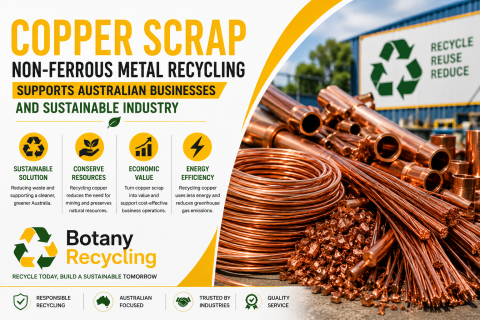
Copper scrap recycling is one of the most profitable and environmentally responsible ways to manage metal waste. Due to its high conductivity, durability, and recyclability, copper is always in strong demand across construction, electrical, and manufacturing industries. Botany Recycling provides professional copper scrap recycling services that help individuals and businesses convert waste copper into valuable reusable material while protecting the environment.

Recycling copper not only saves natural resources but also delivers high financial returns, making it one of the smartest sustainability decisions today.

What is Copper Scrap?

Copper scrap refers to discarded or unused copper-based materials that can be collected and recycled. These include:

  • Electrical wires and cables

  • Copper pipes and plumbing fittings

  • Motors and transformers

  • Copper sheets and rods

  • Electronic components

  • Air-conditioning coils

  • Roofing copper

Because copper does not lose its chemical properties when recycled, it can be reused again and again without losing quality.

Why Copper Scrap Recycling Is Important

1. Environmental Protection

Mining new copper damages land, water, and ecosystems. Recycling copper reduces the need for mining, lowers greenhouse gas emissions, and prevents metal waste from ending up in landfills.

2. Energy Savings

Recycling copper uses up to 85% less energy than producing copper from raw ore. This makes copper scrap recycling one of the most energy-efficient metal recycling processes.

3. Economic Value

Copper is one of the highest-priced scrap metals in the market. Selling copper scrap to Botany Recycling allows you to earn competitive cash while reducing waste.

Types of Copper Scrap Accepted by Botany Recycling

Botany Recycling accepts a wide range of copper scrap including:

  • Bare bright copper wire

  • Insulated copper wire

  • Copper tubing

  • Mixed copper

  • Copper turnings

  • Copper coils

  • Copper radiators

  • Industrial copper scrap

Each type of copper is graded based on purity, which directly affects its recycling value.

Copper Scrap Recycling Process at Botany Recycling

1. Collection & Drop-Off

Customers can bring their copper scrap directly to Botany Recycling or arrange a pickup for bulk quantities.

2. Sorting

The copper is sorted by type, thickness, and contamination level to ensure accurate pricing and efficient recycling.

3. Cleaning

Any plastic, rubber, or foreign materials are removed from the copper to increase purity.

4. Processing

The cleaned copper is shredded, melted, and refined into reusable copper material.

5. Manufacturing Reuse

Recycled copper is supplied to manufacturers who use it to produce new electrical wires, plumbing pipes, electronics, and industrial equipment.

Industries That Use Recycled Copper

Recycled copper from Botany Recycling is used in:

  • Electrical and power industries

  • Construction and plumbing

  • Automotive manufacturing

  • Renewable energy systems

  • Electronics production

  • Telecommunications

This makes copper scrap recycling a key part of the circular economy.

Why Choose Botany Recycling for Copper Scrap?

Botany Recycling stands out as a reliable copper scrap recycler because of:

  • Competitive scrap metal pricing

  • Accurate digital weighing

  • Fast and transparent payments

  • Eco-friendly processing

  • Professional customer service

  • Compliance with environmental standards

Whether you are a contractor, electrician, or homeowner, Botany Recycling makes copper recycling simple, profitable, and sustainable.

High Value Returns from Copper Scrap

Copper is always in high demand, which means you get excellent value for your scrap. Clean and sorted copper fetches the best price, so properly prepared scrap can significantly increase your earnings.

By recycling with Botany Recycling, you ensure maximum value for every kilogram of copper scrap.

Environmental Benefits of Copper Recycling

Copper scrap recycling:

  • Reduces landfill waste

  • Saves natural copper reserves

  • Cuts carbon emissions

  • Supports sustainable manufacturing

  • Promotes responsible waste management

Every piece of copper recycled helps protect the planet.

Conclusion

The Copper Scrap Recycling Guide: Sustainable Recycling & High Value Returns highlights why copper is one of the most valuable and eco-friendly metals to recycle. With professional services, transparent pricing, and sustainable practices, Botany Recycling provides the ideal solution for turning copper waste into profit.

Aluminum Scrap – Lightweight and Highly Recyclable Metal

Aluminum Scrap Recycling The Sustainable Future of This Non-Ferrous Metal

Aluminum scrap is one of the most valuable and widely recycled non-ferrous metals in the world. Known for its lightweight nature, corrosion resistance, and high recyclability, aluminum plays a vital role in modern industries. At Botany Recycling, aluminum scrap recycling is handled with advanced processes to ensure maximum recovery, sustainability, and economic value.

What Makes Aluminum a Non-Ferrous Metal?

Aluminum falls under the non-ferrous metal category because it does not contain iron. This makes it resistant to rust, easy to handle, and ideal for repeated recycling without losing its original properties. Non-ferrous metals like aluminum are highly sought after due to their durability and long lifecycle.

Common Sources of Aluminum Scrap

Aluminum scrap is generated from various industries and everyday products, including:

  • Beverage cans and food packaging

  • Automotive parts and engine components

  • Construction materials such as frames and panels

  • Electrical cables and machinery parts

  • Household items and appliances

Botany Recycling accepts a wide range of aluminum scrap, ensuring responsible and efficient recycling.

Benefits of Recycling Aluminum Scrap

Recycling aluminum scrap offers significant environmental and economic advantages. It reduces the need for raw material mining, saves energy, and minimizes greenhouse gas emissions. Recycled aluminum requires up to 95% less energy compared to producing new aluminum from bauxite ore, making it one of the most sustainable non-ferrous metals.

Aluminum Scrap Recycling Process

At Botany Recycling, the aluminum recycling process is streamlined for quality and efficiency:

  1. Collection and sorting of aluminum scrap

  2. Cleaning and removal of contaminants

  3. Shredding and melting at controlled temperatures

  4. Refining and casting into reusable forms

This process ensures high-grade recycled aluminum suitable for industrial reuse.

Industrial Uses of Recycled Aluminum

Recycled aluminum is used across multiple industries, including:

  • Automotive and aerospace manufacturing

  • Construction and infrastructure projects

  • Packaging and consumer goods

  • Electronics and electrical equipment

Because aluminum retains its strength and flexibility after recycling, it remains a preferred material for manufacturers.

Environmental Impact of Aluminum Recycling

Aluminum scrap recycling significantly reduces landfill waste and lowers carbon emissions. By choosing Botany Recycling, businesses and individuals contribute to a cleaner environment while supporting the circular economy of non-ferrous metals.

Why Choose Botany Recycling for Aluminum Scrap?

Botany Recycling is a trusted name in non-ferrous metal recycling, offering transparent pricing, reliable services, and eco-friendly practices. With a strong focus on sustainability, Botany Recycling ensures that aluminum scrap is recycled responsibly and profitably.

Conclusion

Aluminum scrap is a lightweight, durable, and highly recyclable non-ferrous metal that plays a crucial role in sustainable development. Through professional recycling services provided by Botany Recycling, aluminum scrap can be transformed into valuable resources while protecting the environment and conserving natural materials.

Lead Scrap Heavy-Duty Non-Ferrous Metal Recycling

Lead scrap is one of the most important materials in the non-ferrous metal recycling industry due to its high density, durability, and wide industrial usage. As a heavy-duty non-ferrous metal, lead plays a critical role in energy storage, construction, radiation shielding, and manufacturing. Proper recycling of lead scrap not only conserves natural resources but also protects the environment and public health.

At Botany Recycling, we specialize in the responsible collection and recycling of lead scrap, serving businesses and industries across Australia with reliable and compliant recycling solutions.

What Is Lead Scrap?

Lead scrap refers to discarded or leftover lead materials generated from industrial, commercial, and manufacturing processes. Unlike ferrous metals, lead does not contain iron, making it corrosion-resistant and highly suitable for long-term and heavy-duty applications.

Common forms of lead scrap include:

  • Lead-acid battery scrap

  • Soft lead scrap

  • Lead sheets and pipes

  • Cable sheathing

  • Industrial lead waste

Because lead retains its properties after recycling, it can be reused multiple times without losing performance.

Importance of Lead Scrap Recycling

Lead is a finite natural resource, and mining it has significant environmental and health impacts. Recycling lead scrap reduces the need for raw material extraction and lowers energy consumption compared to primary lead production.

Key benefits of lead scrap recycling include:

  • Conservation of natural resources

  • Reduced environmental pollution

  • Lower greenhouse gas emissions

  • Safe disposal of hazardous materials

  • Cost-effective supply for industries

At Botany Recycling, lead scrap is processed following strict safety and environmental standards to ensure sustainable and compliant recycling practices.

Industrial Uses of Recycled Lead

Recycled lead is widely used across multiple industries due to its strength and density. Major applications include:
  • Manufacturing of lead-acid batteries

  • Radiation shielding in medical and industrial facilities

  • Soundproofing and vibration control materials

  • Construction and roofing applications

  • Protective coatings and industrial components

The ability to recycle lead efficiently makes it one of the most valuable heavy-duty non-ferrous metals in the global recycling market.

Lead Scrap in the Non-Ferrous Metal Industry

As a non-ferrous metal, lead offers unique advantages such as corrosion resistance, malleability, and long service life. These properties make lead scrap an essential material for industries that require reliability and durability under extreme conditions.

Recycling lead scrap also supports a circular economy by transforming waste into reusable raw material while minimizing environmental impact.

Brass Scrap Durable Non-Ferrous Alloy Metal

In addition to lead scrap, brass scrap is another highly valuable non-ferrous metal commonly recycled in the industry. Brass is an alloy of copper and zinc, known for its strength, corrosion resistance, and excellent machinability. Recycled brass is widely used in the production of valves, fittings, bearings, plumbing components, and decorative hardware. Like lead, brass can be recycled multiple times without losing quality, making it a sustainable and cost-efficient metal choice for manufacturers.

Why Choose Botany Recycling for Lead Scrap?

Botany Recycling is committed to providing safe, transparent, and environmentally responsible recycling services for non-ferrous metals. With industry expertise and modern processing methods, we help businesses manage their lead scrap efficiently while meeting regulatory requirements.

Our services focus on:

  • Ethical and compliant recycling

  • Accurate material handling

  • Sustainable waste management

  • Reliable service across Australia

Conclusion

Lead scrap remains a cornerstone of the heavy-duty non-ferrous metal recycling industry. Its recyclability, industrial importance, and environmental impact make responsible lead recycling essential for sustainable growth. By choosing a trusted recycler like Botany Recycling, businesses can ensure their lead scrap is handled safely, efficiently, and in an environmentally responsible manner.

 Service Area: Across Australia
🌐 Website: www.botanyrecycling.com
📧 Email: info@botanyrecycling.com
📞 Call: +61 2806 50401

High-Grade Scrap Non-Ferrous Metals – Botany Recycling

the Advantages of Low-Rate Aluminum

When it comes to recycling, non-ferrous metals are among the most valuable materials you can collect and sell. These metals do not contain iron, making them resistant to rust and corrosion—ideal for industrial and commercial use. At Botany Recycling, we specialize in the collection and processing of high-grade scrap non-ferrous metals, offering top market rates and environmentally responsible recycling solutions.

What Are Non-Ferrous Metals?

Non-ferrous metals include a wide range of materials such as:

  • Copper

  • Brass

  • Aluminum

  • Stainless Steel

  • Lead

  • Nickel

  • Zinc

These metals are highly sought after due to their unique properties, including light weight, conductivity, and corrosion resistance.

What Makes Scrap “High-Grade”?

High-grade scrap refers to clean, uncontaminated, and pure forms of non-ferrous metals. These are typically free from attachments like plastic, steel, paint, or insulation. Examples include:

  • Bare Bright Copper Wire – The highest grade of copper scrap.

  • Clean Aluminum Sheets – Free from paint or adhesive.

  • Unalloyed Zinc or Lead – Pure and sorted.

  • Stainless Steel 304/316 – With minimal to no contaminants.

High-grade metals command a premium price in the scrap market because they require minimal processing and are ready for reuse in manufacturing.

Why Recycle High-Grade Non-Ferrous Metals?

Recycling high-grade non-ferrous metals is both financially rewarding and environmentally responsible. It reduces the need for raw material mining, lowers greenhouse gas emissions, and supports a sustainable circular economy.

At Botany Recycling, we help individuals, tradespeople, and businesses turn their high-grade scrap into profit. Whether you’re cleaning out a worksite or offloading excess inventory, we make recycling simple, efficient, and worthwhile.

Get the Best Value at Botany Recycling

Looking to get the most out of your high-grade scrap? Botany Recycling offers competitive rates, fast service, and expert support. Bring in your clean non-ferrous metals and walk away with top dollar.

Brass Shell Recycling & Non-Ferrous Metals

Brass Shell Recycling & Non-Ferrous Metals

In today’s environmentally conscious world, metal recycling plays a vital role in conserving resources and reducing environmental impact. Among the many materials that can be recycled, brass shells and non-ferrous metals hold significant value. At Botany Recycling, we specialize in the responsible collection, processing, and recycling of these materials to help create a sustainable future.

What Are Non-Ferrous Metals?

Non-ferrous metals are metals that do not contain significant amounts of iron. Unlike ferrous metals, they are not magnetic and are more resistant to corrosion. Common examples include:

  • Brass

  • Copper

  • Aluminum

  • Lead

  • Zinc

These metals are widely used in industries such as construction, electronics, automotive, and manufacturing. Their high market value and recyclability make them essential to any metal recycling program.

The Importance of Brass Shell Recycling

Brass shells, often found as spent ammunition casings, are made from a copper-zinc alloy. These shells are fully recyclable and can be reused to produce new products without loss of quality. Recycling brass shells:

  • Conserves raw materials like copper and zinc.

  • Reduces energy consumption compared to mining new metal.

  • Helps keep potentially hazardous materials out of landfills.

Botany Recycling’s Role

At Botany Recycling, we accept and process a wide range of non-ferrous metals, including brass shell casings. Our facility is equipped with modern tools and environmentally sound practices to ensure:

  • Safe handling of materials.

  • Efficient sorting and separation.

  • Competitive pricing for scrap metal.

  • Compliance with all environmental and safety regulations.

Whether you’re an individual, a shooting range, or a commercial business, we make recycling brass shells easy and profitable.

Why Choose Botany Recycling?

  • Expertise: Years of experience in metal recycling.

  • Trust: Transparent weighing and pricing.

  • Sustainability: Committed to reducing environmental impact.

  • Convenience: Quick drop-off and pick-up services available.

Recycle with Purpose

Every piece of scrap metal recycled helps reduce the demand for new raw materials, cuts down on pollution, and conserves energy. By choosing Botany Recycling for your brass shell and non-ferrous metal recycling needs, you’re not only getting value for your materials—you’re also contributing to a cleaner planet.

Copper Wire Scrap Buyers & Non-Ferrous Metals

Copper Wire Scrap Buyers & Non-Ferrous Metals

If you’re looking to sell copper wire scrap or other non-ferrous metals, Botany Recycling is your trusted partner in responsible and rewarding metal recycling. With years of experience and a commitment to sustainability, we make it easy for individuals, businesses, and industrial clients to turn scrap into value.

Why Sell Copper Wire Scrap?

Copper is one of the most valuable and widely recycled non-ferrous metals. Commonly found in electrical wiring, plumbing systems, and electronic devices, copper wire scrap is highly sought after due to its ability to be recycled without losing quality. Selling your copper wire scrap not only earns you top dollar but also contributes to environmental preservation by reducing the need for mining virgin copper.

What Are Non-Ferrous Metals?

Unlike ferrous metals, which contain iron, non-ferrous metals are resistant to rust and corrosion. These include:

  • Copper

  • Aluminum

  • Brass

  • Lead

  • Zinc

  • Nickel

These materials are highly recyclable and maintain their properties through multiple recycling processes, making them a sustainable choice for manufacturers and an excellent opportunity for scrap sellers.

Why Choose Botany Recycling?

At Botany Recycling, we pride ourselves on offering:

  • Competitive Prices: Get the best rates for your copper wire and non-ferrous scrap.

  • Fast & Transparent Service: We provide honest weight assessments and clear pricing.

  • Eco-Friendly Practices: Your scrap helps support a cleaner planet through responsible recycling.

  • Convenient Drop-Off & Pick-Up: Whether you have a small load or industrial-scale scrap, we accommodate your needs.

Who Do We Serve?

We work with a wide range of customers including:

  • Electricians and construction companies

  • Manufacturing and industrial businesses

  • Scrap collectors and traders

  • Local residents with household metal waste

Get Started Today

If you have copper wire scrap or other non-ferrous metals, bring them to Botany Recycling and turn waste into profit. Our team is ready to assist you with professional service and competitive rates.

Visit our facility or contact us to learn more about how we can help you recycle smarter.

Ferrous vs Non-Ferrous Scrap Understanding the Difference

Ferrous vs Non-Ferrous Scrap Understanding the Difference

In the world of metal recycling, understanding the difference between ferrous and non-ferrous scrap is crucial. Whether you’re a business, a tradesperson, or a household looking to recycle, knowing how to distinguish between these two categories helps ensure proper sorting, maximised returns, and environmental benefits. At Botany Recycling, we believe in making metal recycling as efficient and rewarding as possible.

What Are Ferrous Metals?

Ferrous metals contain iron, making them magnetic and generally more prone to rust when exposed to moisture. They’re widely used in construction, transportation, and manufacturing due to their strength and durability.

Common Examples of Ferrous Scrap

  • Steel beams from construction sites

  • Cast iron pipes and cookware

  • Automobile parts like engine blocks

  • Household appliances such as washing machines and fridges

Key Features

  • Magnetic

  • Prone to rust

  • Heavier in weight

  • Usually less expensive than non-ferrous metals

What Are Non-Ferrous Metals?

Non-ferrous metals do not contain iron, making them more resistant to corrosion and lighter in weight. These metals are highly valued for their conductivity, malleability, and resistance to wear.

Common Examples of Non-Ferrous Scrap

  • Aluminium cans, frames, and siding

  • Copper wires and plumbing pipes

  • Brass fixtures

  • Lead batteries

  • Zinc and tin components

Key Features

  • Non-magnetic

  • More resistant to corrosion

  • Lighter and more malleable

  • Typically more valuable in the recycling market

Why the Difference Matters

At Botany Recycling, we handle both ferrous and non-ferrous scrap with specialised processes. Separating these materials properly not only helps streamline recycling operations but also allows customers to get the best price for their metals.

Benefits of Proper Sorting:

  • Better pricing: Non-ferrous metals generally yield higher returns.

  • Faster processing: Correctly sorted materials reduce delays.

  • Environmental impact: Efficient recycling reduces the need for raw material extraction and energy use.

Recycling with Botany Recycling

Our facility is equipped to handle all types of metal waste. Whether you’re clearing out a demolition site or just recycling a few old appliances, Botany Recycling ensures your scrap is processed responsibly and efficiently.

What We Offer

  • Competitive pricing for ferrous and non-ferrous metals

  • Fast, friendly service

  • Convenient drop-off and collection options

  • Eco-conscious recycling practices

Brass Electric Meter Scrap

Brass Electric Meter Scrap

Recycling scrap metal is a great way to reduce waste and earn money, and one valuable but often overlooked item is brass electric meter scrap. These meters, commonly used by utility companies, contain a mix of materials, with brass being one of the most valuable components.

What is Brass Electric Meter Scrap?

Electric meters are devices used to measure electricity consumption in homes and businesses. Over time, they get replaced due to upgrades or damage. Many older electric meters contain significant amounts of brass, which can be recovered and sold as scrap.

Brass in electric meters is typically found in:

  • Internal fittings and connectors

  • Gears and mechanical components

  • Meter housings (in some models)

In addition to brass, electric meters may contain copper wiring, aluminum, and steel, making them a great source of multiple recyclable metals.

How Much is Brass Electric Meter Scrap Worth?

The value of brass electric meter scrap depends on the market price of brass and the amount of other metals mixed in. Since brass is an alloy of copper and zinc, its price is lower than pure copper but still provides a good return. Clean, separated brass components will fetch a higher price per pound than mixed scrap.

Recycling Brass Electric Meters at Botany Recycling

At Botany Recycling, we accept brass electric meter scrap and offer competitive prices for your materials. We ensure responsible recycling, helping to reduce environmental waste while giving you the best value for your scrap metal.

How to Get Lead Scrap?

Lead is a highly recyclable metal that is commonly used in batteries, plumbing, and industrial applications. If you’re looking to collect lead scrap for recycling, there are several places and methods to consider. Here’s how you can efficiently source lead scrap and maximize your returns at Botany Recycling.

Check Old Car Batteries

One of the most common sources of lead scrap is lead-acid car batteries. These batteries contain a significant amount of lead, making them valuable in the scrap industry. Many mechanics, auto shops, and junkyards have old batteries that they may be willing to sell or give away.

Scrap Plumbing Materials

Older plumbing systems, especially in homes built before the 1980s, often used lead pipes and fittings. If you’re involved in renovation or demolition projects, keep an eye out for old lead-based materials that can be recycled.

Lead Roofing and Flashing

Lead was once commonly used in roofing, particularly in flashing, gutters, and waterproofing applications. Construction and roofing companies may have leftover or discarded lead materials that can be collected for recycling.

Shooting Ranges and Bullet Casings

Lead is widely used in bullets and ammunition, making shooting ranges a great place to find scrap lead. Some indoor and outdoor shooting ranges allow lead recovery from spent bullets, which can then be melted down and recycled.

Scrap from Industrial Sites

Factories, refineries, and old industrial sites often have lead-containing equipment, machinery parts, or counterweights that are discarded during upgrades or demolitions. Contact local businesses or contractors to inquire about available lead scrap.

Fishing Weights and Sinkers

Many fishing weights and sinkers are made of lead. Checking with fishing supply stores or collecting used sinkers from popular fishing spots can be another way to source scrap lead.

Recycle Your Lead Scrap at Botany Recycling

Once you’ve collected your lead scrap, bring it to Botany Recycling for competitive pricing and eco-friendly disposal. We ensure safe handling of lead materials while helping you earn money from your scrap. Contact us today for the latest lead scrap prices and recycling services!