Unveiling the Value of Copper Scrap A Dive into Botany Recycling

Unlocking the Worth of Copper Scrap In-Depth Exploration

Unveiling the value of copper scrap A dive into Botany Recycling has emerged as a valuable resource in the recycling industry, contributing significantly to sustainable practices and the conservation of natural resources. One prominent player in this field is Botany Recycling, a leading name in the recycling industry that has been instrumental in reshaping the way we view and utilize copper scrap.

Understanding Copper Scrap

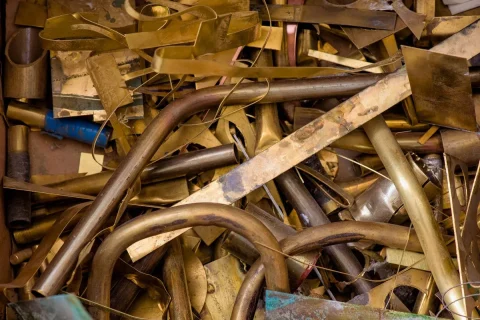
Copper scrap refers to discarded copper materials that are no longer in use, ranging from electrical wires and plumbing components to industrial machinery. Rather than allowing these materials to end up in landfills, they can be recycled to extract valuable copper, contributing to environmental conservation and reducing the need for mining new copper ores.

Botany Recycling Metal Role

Botany Recycling has carved a niche for itself in the recycling landscape, focusing on the responsible handling and processing of copper scrap. The company follows stringent environmental standards, ensuring that the recycling process minimizes its ecological footprint. By choosing Botany Recycling, individuals and businesses alike are making a conscious decision to support sustainable practices.

Benefits of Recycling Copper Scrap

Resource Conservation

Copper is a finite resource, and mining for new copper can have detrimental effects on the environment. Recycling copper scrap reduces the demand for new mining activities, helping to conserve natural resources.

Energy Efficiency

 The process of extracting copper from recycled scrap requires significantly less energy compared to mining and refining new copper. This energy efficiency contributes to a reduction in greenhouse gas emissions.

Economic Impact

 Recycling copper scrap generates economic value by providing a steady supply of raw materials for manufacturing industries. It also creates job opportunities in the recycling sector, contributing to local economies.

Waste Reduction

 Recycling copper scrap prevents these materials from entering landfills, reducing the overall volume of waste and minimizing environmental pollution.

Botany Recycling Commitment to Sustainability

Botany Recycling through its user-friendly website and transparent processes, exemplifies a commitment to sustainability. The company not only facilitates the recycling of copper scrap but also educates its customers about the environmental impact of their choices. The website serves as a valuable resource for information on the benefits of recycling copper and the services provided by Botany Scrap Metal.

How It Works Collection

Botany Recycling provides convenient options for the collection of unveiling the value of copper scrap A dive into botany scrap metal, whether from individual households or industrial sites.

Sorting and Processing

 The collected scrap is carefully sorted to separate copper from other materials. Advanced processing techniques are then employed to extract high-quality copper.

Quality Assurance

Botany Recycling places a strong emphasis on delivering high-quality recycled copper, ensuring that it meets industry standards.

Environmentally Responsible Disposal

Read More: Copper Waste Unveiling the Impact and Solutions

Any by-products or materials that cannot be recycled are disposed of responsibly, adhering to environmental regulations.

Conclusion

Copper scrap is not just waste; it’s a valuable resource waiting to be tapped into. Companies like Botany Recycling play a pivotal role in transforming the way we view and utilize copper scrap, offering a sustainable solution for businesses and individuals alike. By choosing to recycle copper scrap through reputable channels such as Botany Recycling, we can contribute to a greener, more sustainable future.


Sustainable Solutions Exploring the Advantages of Metal Recycling

Sustainable Solutions Exploring the Advantages of Metal Recycling

Exploring the Advantages of Metal Recycling

In a world where environmental consciousness is becoming increasingly crucial, the significance of recycling cannot be overstated. One sector that plays a pivotal role in sustainable practices is metal recycling, and Botany Recycling stands at the forefront of this movement. This article delves into the myriad advantages of metal recycling and how Botany Recycling is contributing to a greener and more solutions exploring the advantages of metal recycling future.

Conservation of Natural Resources

Metal extraction from ores demands vast amounts of energy and can lead to the depletion of natural resources. Botany Scrap Metal commitment to recycling helps in conserving precious resources and mitigating the environmental impact of resource extraction.

Energy Savings

By opting for metal recycling, energy consumption is drastically reduced. Botany Recycling employs advanced technologies to process non-ferrous

metal scrap efficiently, contributing to energy conservation and a reduced carbon footprint.

Economic Benefits

The recycling industry, including companies like Botany Recycling generates jobs, stimulates economic growth, and provides a steady supply of raw materials for manufacturing industries. It fosters a circular economy where materials are reused, promoting sustainability and reducing the reliance on finite resources.

Reduced Greenhouse Gas Emissions

The production of metals from raw materials is a major source of greenhouse gas emissions. By choosing to recycle with Botany Recycling individuals and businesses contribute to the global effort to combat climate change.

Waste Reduction

Metal recycling helps in managing and reducing the volume of waste in landfills. Discarded metal items can take years, if not centuries, to decompose. By recycling, these items are diverted from landfills, extending the lifespan of these facilities and reducing the environmental impact of waste disposal.

Promotion of Circular Economy

Botany Recycling actively participates in the circular economy model by collecting, processing, and reintroducing recycled metals into the manufacturing stream. This closed-loop system minimizes waste, encourages sustainable production, and supports a regenerative approach to resource management.

Read More: Exploring Materials Used for Recycling

Preservation of Biodiversity

Metal extraction often involves habitat disruption and environmental degradation. Metal recycling minimizes the need for new mining operations, helping to preserve natural habitats and biodiversity. Botany Recycling commitment to responsible recycling contributes to the protection of ecosystems and wildlife.

Conclusion

In the pursuit of a sustainable solutions exploring the advantages of metal recycling and eco-friendly future, metal recycling emerges as a crucial component. Botany Scrap Metal, with its dedication to responsible recycling practices, not only offers a practical solution to managing metal waste but also actively contributes to global environmental conservation efforts. 

Advancing Sustainable Practices Exploring Cutting Edge Scrap Metal Recycling

Advancing Sustainable Practices Exploring Cutting Edge Scrap Metal Recycling

Advancing Sustainable Practices Exploring Cutting Edge Botany Recycling

In the age of environmental consciousness, industries across the globe are continuously seeking innovative ways to reduce their carbon footprint and enhance sustainability. One such sector is the non-ferrous metal scrap recycling industry, where technology plays a pivotal role in improving efficiency and environmental impact. Botany Recycling, a leading recycling facility, has been at the forefront of adopting advanced technologies to revolutionize the scrap metal recycling process. This article delves into the world of advanced scrap metal recycling technology and how Botany Recycling is leading the charge.

Scrap Metal Recycling A Necessity for a Greener Future

Before we dive into advanced technologies, it’s important to understand why non-ferrous metal scrap recycling is so crucial for our environment.

Read More: Exploring Materials Used for Recycling 

Botany Recycling Pioneers in Sustainable Recycling

Botany Recycling a renowned name in the recycling industry, has been instrumental in promoting sustainability.

Automation and Robotics Streamlining Scrap Sorting

Automation and robotics have transformed the non-ferrous metal scrap recycling process at Botany Recycling

Sensor Technology Enhancing Metal Detection

Advanced sensor technology has made identifying and sorting different types of metals more precise and efficient.

Efficient Shredding and Melting

Innovative techniques in shredding and melting have reduced energy consumption and improved the quality of recycled metal at Botany Recycling

Zero-Waste Ambitions Closing the Recycling Loop

Botany Recycling commitment to zero waste has led to the development of pioneering technologies for handling and recycling scrap more efficiently.

Environmental Benefits Reducing Carbon Footprint

The implementation of advanced technologies at Botany Recycling has significant positive implications for the environment, reducing emissions and conserving resources.

Economic Impact Generating Value from Scrap

These advancements not only benefit the environment but also have positive economic effects, creating a sustainable circular economy.

Challenges and Future Prospects

While advanced non-ferrous metal scrap recycling technologies offer numerous advantages, they also come with challenges and opportunities for further development.

In conclusion

The implementation of advanced non-ferrous metal scrap recycling technology at Botany Recycling exemplifies the potential for industries to reduce their environmental impact while also reaping economic benefits. As we embrace these cutting-edge solutions, we take significant strides towards a more sustainable and eco-friendly future.

Industrial Applications of Scrap Metal Transforming Waste into Resources

Industrial Applications of Scrap Metal Transforming Waste into Resources

Industrial Applications of Scrap Metal Transforming Waste into Resources

Scrap metal, often considered as discarded waste, is a valuable resource in the industrial world. It holds the potential to be recycled and repurposed in a wide range of applications, contributing to sustainability and resource efficiency. In this article, we will explore the various industrial applications of non-ferrous metal scrap, with a focus on the practices of Botany Recycling, a leading player in the scrap metal industry.

Botany Recycling A Leader in Sustainable Recycling

Botany Recycling is a reputable name in the non-ferrous metal scrap recycling industry. With a commitment to environmental sustainability, they play a vital role in recycling and repurposing non-ferrous metal scrap to reduce the environmental footprint.

Read More: Scrap Metal Prices and Trends in the Botany Market

Building and Construction

non-ferrous metal scrap is a key component in the construction industry. It is widely used in the construction of buildings, bridges, and infrastructure. Reclaimed steel and iron can be processed and used in reinforcing structures, creating a more sustainable and cost-effective solution.

Automotive Industry

The automotive industry heavily relies on non-ferrous metal scrap for manufacturing vehicles. Components such as engines, chassis, and body panels often contain recycled metal, reducing the industry’s demand for new resources. Botany Recycling plays a pivotal role in supplying the automotive sector with high-quality recycled metal.

Manufacturing and Fabrication

Manufacturers and fabricators use non-ferrous metal scrap in various processes. Recycled metal can be melted down and reshaped into new components, reducing the need for virgin materials. Botany Recycling provides manufacturers with a consistent supply of raw materials from their recycling facilities.

Aerospace and Defense

The aerospace and defense industries demand high-quality materials to ensure the safety and performance of their products. Recycled non-ferrous metal scrap, particularly aluminum and titanium, is used in aircraft and military equipment. Botany Recycling ensures the supply of certified and high-quality materials to these industries.

Energy Sector

Scrap metal plays a vital role in the energy sector. It is used in the construction of power plants, wind turbines, and solar panels. The recycling process significantly reduces energy consumption and carbon emissions, making it an eco-friendly choice for these applications.

Shipbuilding

Shipbuilding relies on durable and corrosion-resistant materials, making non-ferrous metal scrap an ideal choice. The marine industry uses reclaimed steel and other metals for ship construction. Botany Recycling operations contribute to more sustainable shipbuilding practices.

Environmental Benefits

Utilizing non-ferrous metal scrap reduces the need for mining and processing of new resources, conserving energy and natural habitats. It also decreases greenhouse gas emissions associated with metal production, making a positive impact on the environment.

Conclusion

Non-ferrous metal scrap is far from being waste; it’s a valuable resource with numerous industrial applications. Botany Recycling exemplifies the importance of recycling and repurposing non-ferrous metal scrap in various industries, helping to conserve resources and reduce environmental impact. As the world continues to prioritize sustainability, the role of scrap metal in industrial applications is set to grow, promoting a greener and more sustainable future.

Exploring Materials Used for Recycling at Botany Recycling

Exploring Materials Used for Recycling at Botany Recycling

Exploring Materials Used for Recycling at Botany Recycling

Recycling plays a crucial role in conserving resources, reducing waste, and minimizing environmental impacts. Botany Recycling a renowned recycling facility, specializes in recycling various materials to promote sustainability and eco-friendliness. In this article, we will delve into the materials commonly processed at Botany Recycling shedding light on their importance in the recycling industry.

Ferrous Metals Recycling Botany Recycling Expertise in Ferrous Recycling

Ferrous metals, including steel and iron, are among the most commonly recycled materials at Botany Recycling. These materials are highly sought after due to their recyclability and numerous applications.

Non-Ferrous Metals Recycling Diverse Range of Non-Ferrous

Botany Recycling also excels in recycling non-ferrous metals like aluminum, copper, brass, and lead. These materials are prized for their conductivity, corrosion resistance, and versatility, making them valuable resources for recycling.

E-Waste Recycling Sustainable Handling of Electronic Waste

As technology advances, electronic waste, or e-waste, becomes a growing concern. Botany Recycling takes a proactive stance in recycling e-waste, including computers, mobile phones, and other electronic devices, to prevent hazardous materials from entering landfills.

Automotive Scrap Recycling Reviving Old

Vehicles for Sustainability Automotive scrap, which includes discarded cars and their components, is another vital aspect of recycling at Botany Recycling. Salvaging parts and recycling materials from old vehicles reduces the environmental footprint of the automotive industry.

Plastics Recycling Addressing the Plastic Waste Crisis While

Botany Recycling primarily focuses on metals, the facility also participates in responsible plastic recycling efforts. Recycling plastics helps reduce pollution and conserves valuable resources.

Environmental Benefits of Recycling Botany Recycling Contribution to a Greener World

Recycling materials at Botany Recycling offers several environmental benefits, such as energy savings, reduced greenhouse gas emissions, and decreased landfill usage. These contributions are crucial in the fight against climate change.

Read More: Why Choose Scrap Metal for Your Recycling Needs

The Role of Recycling in Sustainable Living

Promoting a Circular Economy Botany Recycling supports the concept of a circular economy, where resources are reused, recycled, and repurposed to create a sustainable future. Recycling plays a pivotal role in achieving this vision.

Conclusion

Botany Recycling commitment to recycling various materials showcases its dedication to environmental sustainability. By recycling ferrous and non-ferrous metals, e-waste, automotive scrap, and plastics, this facility plays a vital role in reducing waste, conserving resources, and promoting a greener, more eco-friendly world. Participating in recycling efforts not only benefits the environment but also contributes to the global shift towards a circular economy, where waste is minimized, and resources are maximized.

The Promising Outlook for the Metal Recycling Market

The Promising Outlook for the Metal Recycling Market

In recent years, the metal recycling industry has gained significant momentum, driven by environmental concerns, resource conservation, and the growing demand for sustainable practices. Botany Recycling a prominent player in the industry, offers valuable insights into the ever-evolving landscape of metal recycling. This article explores the outlook for the metal recycling market and how Botany Recycling is contributing to its growth.

Sustainable Trends Propel Metal Recycling

The metal recycling market is on an upward trajectory, thanks to a global shift towards sustainability. Consumers and businesses are increasingly recognizing the importance of recycling to reduce the carbon footprint and conserve valuable resources. Botany Recycling leverages this trend by providing eco-friendly metal recycling solutions.

Rising Demand for Raw Materials

As the world’s population continues to grow, so does the demand for raw materials. Metal recycling plays a crucial role in meeting this demand sustainably. Botany Recycling efficient recycling processes are helping bridge the gap between resource scarcity and demand.

Regulatory Support

Governments worldwide are implementing stringent environmental regulations to curb emissions and promote recycling. These regulations have given a boost to the metal recycling market, creating opportunities for companies like Botany Recycling to thrive within a compliant framework.

Circular Economy Initiatives

The concept of a circular economy, where products and materials are reused and recycled to minimize waste, has gained traction. Botany Recycling aligns with this vision by ensuring that metals are recycled and reintroduced into the production cycle.

Technological Advancements

Technological innovations have made metal recycling more efficient and cost-effective. Botany Recycling invests in cutting-edge technology to enhance its recycling processes, ensuring higher yields and lower environmental impact.

Shifting Consumer Behavior

Consumers are becoming increasingly conscious of their environmental footprint. As a result, they are more likely to support businesses that prioritize sustainability, including metal recycling companies like Botany Recycling

Growing Industrial Applications

Metals are crucial in various industries, from automotive to construction. The metal recycling market benefits from the growing demand for recycled materials in these sectors. Botany Recycling collaborates with industrial clients to meet their sustainability goals.

Read More: Scrap Metal’s Vital Contribution to Sustainable Manufacturing

Global Expansion

Botany Recycling success has led to global expansion efforts. This expansion not only broadens their reach but also contributes to the overall growth of the metal recycling market.

Conclusion

The metal recycling market is poised for sustained growth in the coming years, driven by environmental consciousness, regulatory support, technological advancements, and a shift toward sustainable practices. Botany Recycling commitment to eco-friendly recycling processes positions them as a key player in this thriving industry. As the world continues to prioritize sustainability, the outlook for the metal recycling market remains promising, and companies like Botany Recycling are at the forefront of this positive transformation.

Tin Recycling An Eco-Friendly Solution

Recycling - Aluminium Drinks Cans

When it comes to recycling, metals are among the most crucial materials to recover and reuse. One such metal is tin, a versatile and valuable resource that plays a significant role in various industries. But can we recycle tin, and what are the benefits of doing so? In this article, we’ll explore the process of tin recycling and its environmental advantages.

The Importance of Tin Recycling

Tin is a non-renewable resource, meaning that once it’s depleted, there’s no natural way to replace it.

It is used in a wide range of applications, from packaging to electronics, making it essential for modern life.

Reducing Environmental Impact

Mining and refining tin ore have substantial environmental impacts, including deforestation and habitat destruction.

Recycling tin reduces the need for new mining operations and lowers the overall carbon footprint of tin production.

The Tin Recycling Process

Tin recycling begins with the collection of tin-containing materials, such as cans, electronics, and industrial scrap.

At facilities like Botany Recycling these materials are sorted and separated from other recyclables.

Melting and Purification

The collected tin is melted down in high-temperature furnaces to remove impurities.

This process transforms the collected scrap into a pure tin alloy suitable for reuse.

Forming New Products

Once purified, recycled tin can be used to create a wide range of products, from new cans to solder for electronics.

This step conserves valuable resources and energy compared to manufacturing from raw materials.

Conservation of Natural Resources

Recycling tin reduces the demand for virgin ore, preserving finite natural resources.

Energy Efficiency

Recycling tin requires significantly less energy than mining and refining new ore.

It can reduce energy consumption by up to 95%.

Reduced Greenhouse Gas Emissions

Tin recycling contributes to lowering greenhouse gas emissions associated with metal production.

Why Choose Botany Recycling for Tin Recycling

Expertise and Experience

Botany Recycling is a renowned name in the recycling industry, with years of experience in handling and recycling various metals, including tin.

Environmentally Responsible Practices

The company follows environmentally responsible practices, ensuring that your tin recycling efforts have a positive impact on the planet.

Competitive Prices

Botany Recycling offers competitive prices for your recycled tin, making it an economically attractive option.

Read More: Exploring the Different Types of Car Scrap Yards

Contribution to Sustainability

By choosing Botany Recycling for your tin recycling needs, you’re contributing to the sustainability of tin as a vital resource.

Conclusion

Tin recycling is not only possible but highly beneficial for both the environment and the economy. By recycling tin, we conserve precious natural resources, reduce energy consumption, and lower greenhouse gas emissions. Choosing a reputable recycling center like Botany Recycling can further amplify the positive impact of your recycling efforts, making it a responsible and sustainable choice.

Exploring the Different Types of Car Scrap Yards

Exploring the Different Types of Car Scrap Yards

When it comes to disposing of old or damaged vehicles, car scrap yards play a crucial role in recycling and salvaging valuable materials. They offer a sustainable and environmentally friendly way to deal with end-of-life cars. One such scrap yard Botany Scrap Metal is a prime example of a facility dedicated to recycling and processing automotive scrap. In this article, we will explore the various types of car scrap yards and highlight the services provided by Botany Scrap Metal.

Traditional Salvage Yards

Traditional salvage yards are often the go-to choice for individuals looking to sell their old vehicles or purchase used auto parts. These yards buy vehicles in various conditions, from wrecked to non-running, and dismantle them for resale. Customers can visit these yards to find specific parts or sell their cars for cash. Botany Scrap Metal, for instance, offers competitive prices for scrap cars, making it a popular choice for car owners in need of disposal.

Eco-Friendly Auto Recycling Centers

As environmental concerns grow, eco-friendly auto recycling centers have emerged. These facilities focus on minimizing waste and promoting sustainability by recycling as much of the vehicle as possible. Botany Scrap Metal is a prime example, employing state-of-the-art technology to ensure that hazardous materials are disposed of properly and recyclable materials are processed efficiently.

Specialized Scrap Yards

Some scrap yards specialize in particular types of vehicles, such as vintage cars, exotic automobiles, or industrial vehicles. These specialized yards often have experts who can accurately assess the value of rare or unique vehicles. Botany Scrap Metal may not specialize in vintage or exotic cars, but its wide range of services ensures that most types of vehicles are welcome for recycling.

Online Scrap Yards

The digital age has brought about online scrap yards, where customers can connect with scrap yard operators through websites and apps. This modern approach allows for convenience and transparency in selling or disposing of vehicles. Botany Scrap Metal’s website is a user-friendly platform where customers can get quick quotes, schedule pickups, and access essential information about their services.

Read More: Why Choose Scrap Metal for Your Recycling Needs

Government-Operated Recycling Centers

Many government-run recycling centers focus on environmentally responsible disposal of vehicles. These centers often work in conjunction with local authorities to ensure compliance with environmental regulations. Botany Scrap Metal adheres to all local and national regulations, making it a trusted choice for responsible car disposal.

Conclusion

Car scrap yards come in various types, catering to the diverse needs of vehicle owners and the growing demand for sustainable automotive recycling. Botany Scrap Metal with its commitment to eco-friendly practices, competitive pricing, and convenient online services, stands as an excellent example of a modern, efficient, and responsible car scrap yard. Whether you’re looking to sell your old vehicle or simply want to dispose of it in an environmentally friendly manner, understanding the different types of scrap yards can help you make an informed choice. Choose wisely, and contribute to a greener and more sustainable automotive industry.

Services Offered by Scrap Metal

Services Offered by Scrap Metal

Services Offered by Scrap Metal

In an era where environmental consciousness and sustainable practices are becoming paramount, the recycling industry plays a pivotal role in minimizing waste and conserving resources. One such player in the recycling landscape is Botany Recycling a leading name in the scrap metal recycling business. This article delves into the array of services offered by Botany Scrap Metal, highlighting its contribution to both the environment and the economy.

Scrap Metal Collection Services

Botany Recycling offers comprehensive scrap metal collection services, catering to industries, businesses, and individuals alike. The company facilitates the collection of various types of scrap metal, including ferrous and non-ferrous metals, from clients’ locations. This service not only promotes efficient waste management but also ensures that valuable metals are recycled instead of being discarded.

Recycling Consultation

Recognizing the importance of educating clients about responsible recycling practices, Botany Recycling provides recycling consultation services. These consultations guide clients on segregating different types of metals, understanding recycling regulations, and maximizing the value of their non-ferrous metal scrap materials. By promoting proper recycling practices, the company contributes to reducing the environmental impact of metal production.

Scrap Metal Processing

Botany Recycling is equipped with state-of-the-art processing facilities that allow for the efficient sorting, cleaning, and processing of non-ferrous metal scrap. Through advanced technologies, the company transforms mixed and contaminated scrap into high-quality materials that can be reused in manufacturing processes. This step significantly reduces the energy and resource requirements for metal production.

Competitive Pricing

One of the standout features of Botany Recycling is its commitment to providing competitive pricing for non-ferrous metal scrap. Clients are assured of fair valuations for their materials, incentivizing their participation in the recycling process. This approach fosters a mutually beneficial relationship between the recycling industry and the providers of scrap metals.

Environmental Conservation

By diverting non-ferrous metal scrap from landfills and incinerators, Botany Recycling contributes to the reduction of greenhouse gas emissions and the conservation of natural resources. The company’s efforts align with global sustainability goals and support the transition towards a circular economy, where materials are recycled and reused instead of being discarded.

Economic Impact

Beyond its environmental contributions, Botany Recycling plays a vital role in the economy. The recycling industry generates jobs, stimulates economic activity, and reduces the dependence on raw material extraction. By participating in the non-ferrous metal scrap recycling process, individuals and businesses contribute to local economic growth.

Commitment to Compliance

Botany Recycling adheres to all relevant regulations and standards in the recycling industry. The company maintains proper licensing and certifications, ensuring that the recycling process is conducted in a responsible and lawful manner. This commitment to compliance underscores the company’s dedication to ethical practices.

Conclusion

Botany Recycling stands as a prominent example of how recycling can transform waste into valuable resources. Through its comprehensive services, commitment to sustainability, and contributions to the economy, the company showcases the positive impact that responsible non-ferrous metal scrap recycling can have on both local communities and the environment. Embracing the services offered by Botany Scrap Metal not only yields economic benefits but also helps shape a greener and more sustainable future.

Scrap Metal’s Vital Contribution to Sustainable Manufacturing

Scrap Metal's Vital Contribution to Sustainable Manufacturing

Scrap Metal Vital Contribution to Sustainable Manufacturing

Sustainable manufacturing has emerged as a critical aspect of today’s industrial landscape, driven by the need to minimize environmental impacts, conserve resources, and reduce waste. non-ferrous metal scrap often overlooked plays a pivotal role in achieving these goals. Through recycling and repurposing, the non-ferrous metal scrap industry significantly contributes to sustainable manufacturing practices, promoting a circular economy and mitigating the adverse effects of traditional metal production.

The Importance of Scrap Metal in Sustainable Manufacturing


Resource Conservation

Conventional metal extraction and processing demand substantial energy consumption and raw material extraction. Recycling scrap metal drastically reduces the need for mining, conserving valuable natural resources like iron ore and aluminum.

By utilizing scrap metal, manufacturers reduce the demand for new raw materials, helping to protect ecosystems and minimize habitat destruction.

Energy Efficiency

Processing raw ores into metal requires significant energy inputs, contributing to greenhouse gas emissions. non-ferrous metal scrap recycling consumes significantly less energy, thereby reducing the carbon footprint of metal production.

Reusing non-ferrous metal scrap cuts down on the energy required for extraction, transportation, and refinement, thus contributing to lower emissions and combatting climate change.

Read More: Your Source for Low Rate Scrap Metal

Waste Reduction

Traditional metal production generates considerable waste, including slag and tailings. The recycling of non-ferrous metal scrap minimizes waste disposal, diverting materials from landfills and incinerators.

The utilization of non-ferrous metal scrap aligns with the principles of a circular economy, where materials are continually repurposed, reducing the strain on waste management systems.

Botany Recycling A Leader in Sustainable Metal Recycling

At Botany Recycling we stand at the forefront of sustainable manufacturing through our comprehensive non-ferrous metal scrap recycling services. Here’s how we contribute:

Efficient Collection and Sorting

We offer efficient collection and sorting services, ensuring that various types of non-ferrous metal scrap are properly separated for recycling.

Our advanced sorting techniques maximize the recovery of valuable metals, minimizing waste and optimizing resource utilization.

Eco-Friendly Processing

Botany Recycling employs state-of-the-art recycling processes that require significantly less energy compared to primary metal production.

Our advanced technologies allow us to process and refine non-ferrous metal scrap with minimal environmental impact.

Supporting Circular Economy

By recycling non-ferrous metal scrap, we actively contribute to a circular economy by reintroducing metals into the production cycle, reducing the need for new raw materials.

Community Engagement

We promote sustainability by educating our community about the benefits of non-ferrous metal scrap recycling and the positive impacts on the environment.

Botany Recycling collaborates with local businesses and manufacturers to establish a network committed to sustainable practices.

Conclusion

non-ferrous metal scrap role in sustainable manufacturing is undeniable. By conserving resources, reducing energy consumption, and minimizing waste, the non-ferrous metal scrap industry, exemplified by Botany Recycling plays a crucial part in shaping a more environmentally responsible manufacturing landscape. Embracing non-ferrous metal scrap recycling not only benefits businesses economically but also contributes to the preservation of our planet for future generations.