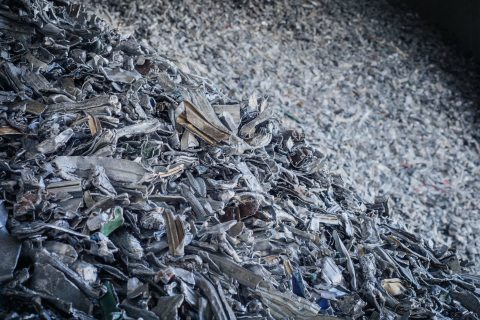
E-Waste Metal Recovery An Overview

E-Waste Metal Recovery An Overview Botany Recycling

Introduction

In an age where electronic devices are ubiquitous, the issue of electronic waste (e-waste) has become increasingly pressing. E-waste encompasses discarded electronic devices and components, such as computers, smartphones, and televisions. The improper disposal of e-waste not only leads to environmental pollution but also represents a significant loss of valuable materials. This article explores the importance of e-waste metal recovery and highlights the role of Botany Recycling in this crucial process.

The Importance of E-Waste Metal Recovery

Environmental Benefits

E-waste contains hazardous substances like lead, mercury, and cadmium that can leach into the soil and water, causing severe environmental damage. By recovering metals from e-waste, we reduce the volume of toxic waste that ends up in landfills, thus mitigating pollution and protecting ecosystems.

Resource Conservation

Electronic devices are rich in precious and rare metals, such as gold, silver, palladium, and copper. Recovering these metals from e-waste reduces the need for mining new resources, which is often environmentally destructive and energy-intensive. Recycling metals from e-waste helps conserve natural resources and decreases the environmental impact of raw material extraction.

Economic Value

The metals recovered from e-waste have substantial economic value. For instance, one ton of e-waste can contain more gold than 17 tons of gold ore. By efficiently recovering metals, businesses can generate significant revenue while contributing to a circular economy. This not only benefits the economy but also creates job opportunities in the recycling and recovery industry.

Metal Recovery Processes

Collection and Sorting

The first step in the metal recovery process is the collection and sorting of e-waste. Items are gathered from various sources, including households, businesses, and recycling centers. They are then sorted based on their composition and potential for metal recovery.

Dismantling

Once sorted, the e-waste is dismantled to separate different components. Manual dismantling is often used to extract valuable parts, such as circuit boards, batteries, and wiring. This process ensures that hazardous materials are handled safely and that components are prepared for further processing.

Shredding and Separation

After dismantling, the e-waste is shredded into smaller pieces to facilitate the separation of metals. Advanced technologies, such as magnetic and eddy current separators, are employed to segregate ferrous and non-ferrous metals. Further separation techniques, including flotation and leaching, may be used to isolate specific metals.

Refining and Purification

The recovered metals undergo refining and purification processes to achieve the desired level of purity. Techniques such as smelting, electrolysis, and chemical treatments are used to refine metals to a marketable standard. These refined metals can then be reintroduced into the manufacturing cycle, reducing the need for virgin materials.

Botany Recycling: Leading the Way in E-Waste Metal Recovery

Commitment to Sustainability

Botany Recycling is dedicated to promoting sustainability through responsible e-waste management and metal recovery. By employing state-of-the-art technologies and adhering to strict environmental regulations, the company ensures that metals are recovered efficiently and safely.

Comprehensive Services

Botany Recycling offers a range of services, including e-waste collection, dismantling, shredding, and metal refining. Their expert team is equipped to handle various types of e-waste, from small electronic devices to large industrial equipment. By providing end-to-end solutions, they simplify the recycling process for their clients.

Community Engagement

In addition to their technical expertise, Botany Recycling is committed to raising awareness about the importance of e-waste recycling. They actively engage with the community through educational programs and initiatives that encourage responsible e-waste disposal and recycling practices.

Conclusion

E-waste metal recovery is a critical aspect of sustainable resource management. By reclaiming valuable metals from discarded electronic devices, we can reduce environmental pollution, conserve natural resources, and create economic opportunities. Companies like Botany Recycling play a pivotal role in this process, offering comprehensive and environmentally responsible solutions for e-waste management. Through continued efforts in e-waste metal recovery, we can move closer to a more sustainable and circular economy.

Exploring the Future of Recycled Steel

Exploring the Future of Recycled Steel botany scrap

In recent years, the global shift towards sustainability has prompted industries to reevaluate their environmental impact. exploring the future of recycled Steel, a significant contributor to carbon emissions has been transformed with a focus on recycling. As we look ahead, the future of recycled steel appears promising, with innovations and advancements reshaping the landscape of metal production. One company leading the charge in this movement is Botany Recycling, a pioneer in sustainable metal solutions.

Rising Demand for Recycled Steel

As environmental awareness grows, industries and consumers alike are demanding greener alternatives. Recycled steel meets this demand by significantly reducing the need for raw materials, conserving energy, and cutting down on carbon emissions. A rising demand marks the future of recycled steel for products made from environmentally friendly sources.

Innovative Technologies at Botany Recycling

Botany Recycling has been at the forefront of incorporating cutting-edge technologies into the recycling process. Utilizing advanced sorting and separation techniques, the company maximizes the recovery of valuable materials from scrap, ensuring a more efficient and sustainable production cycle. Their commitment to innovation underscores the potential for a more circular and resource-efficient steel industry.

Circular Economy and Sustainable Practices

The future of recycled steel is intricately linked to the concept of a circular economy. Botany Recycling, through its operations, exemplifies the principles of circularity by reusing and repurposing steel, thereby reducing the industry’s reliance on virgin materials. This shift towards sustainable practices not only minimizes waste but also contributes to a more responsible and eco-friendly exploring the future of recycled Steel production model.

Environmental Benefits of Recycled Steel

Choosing recycled steel over traditional production methods offers significant environmental benefits. Reducing greenhouse gas emissions, conservation of natural resources, and diminishing energy consumption make recycled steel an attractive choice for environmentally conscious industries. Botany Recycling commitment to environmental stewardship aligns with the broader goals of mitigating climate change and fostering a more sustainable future.

Collaboration and Industry Partnerships

Achieving a widespread adoption of recycled steel requires collaboration across industries. Botany Recycling actively engages in partnerships with manufacturers, builders, and other stakeholders to promote the use of recycled steel in various applications. This collaborative approach fosters a collective responsibility towards building a more sustainable future.

Economic Viability and Market Trends

The future of recycled steel is not only environmentally driven but also economically viable. As market trends lean towards sustainable practices, businesses that embrace recycled steel benefit from positive consumer perception and governmental support. Botany Recycling forward-thinking strategies position them as a key player in this evolving market, creating a ripple effect throughout the industry.

Conclusion

In conclusion, the future of recycled steel holds tremendous promise, with companies like Botany Recycling leading the charge towards a more sustainable and eco-friendly metal industry. As global initiatives to combat climate change gain momentum, the importance of recycled steel in reducing carbon footprints cannot be overstated. The journey towards a greener future involves a collective commitment to embracing innovative technologies, fostering a circular economy, and prioritizing sustainable practices in metal production.

The Environmental Benefits of Scrap Metal Recycling

The Environmental Benefits of Scrap Metal Recycling botany scrap

In an era where environmental consciousness is paramount, the recycling industry plays a pivotal role in sustainable practices. Scrap metal recycling, in particular, has emerged as a crucial component in the quest for a greener planet. This article delves into the environmental benefits of non-ferrous metal scrap recycling, with a focus on —a leading player in the recycling landscape.

Reducing Energy Consumption

Scrap metal recycling significantly lowers energy consumption compared to extracting metals from raw materials. Botany Recycling commitment to this process contributes to the conservation of energy resources and minimizes the environmental impact associated with traditional mining.

Conserving Natural Resources

By opting for non-ferrous metal scrap recycling, Botany Recycling actively participates in the conservation of natural resources. The extraction and processing of raw materials for metal production can lead to deforestation, habitat destruction, and soil erosion. Recycling helps alleviate these environmental pressures by providing a sustainable alternative.

Mitigating Greenhouse Gas Emissions

The production of metals from virgin materials is a major source of greenhouse gas emissions. Botany Recycling focus on recycling helps reduce these emissions significantly. By melting down and reusing metals, the company aids in the global effort to combat climate change.

Preventing Landfill Overflow

Non-ferrous metal scrap, when disposed of in landfills, can contribute to soil pollution and take up valuable space. Botany Recycling initiatives divert a substantial amount of metal waste from landfills, preventing environmental harm and promoting responsible waste management practices.

Economic and Environmental Synergy

Botany Recycling not only contributes to environmental sustainability but also stimulates economic growth. The recycling industry generates employment opportunities and fosters innovation, demonstrating a harmonious relationship between economic development and environmental preservation.

Promoting Circular Economy Principles

Scrap metal recycling aligns with the principles of a circular economy, where materials are reused and recycled rather than discarded after a single use. Botany Recycling exemplifies this approach by closing the loop on metal production, encouraging a sustainable cycle that minimizes waste.

Conclusion

In conclusion, the environmental benefits of non-ferrous metal scrap recycling, particularly through industry leaders like Botany Recycling cannot be overstated. The reduction of energy consumption, conservation of natural resources, mitigation of greenhouse gas emissions, and prevention of landfill overflow collectively contribute to a healthier planet. As we continue to navigate the challenges of a rapidly changing world, embracing sustainable practices in metal production becomes increasingly crucial, and companies like Botany Recycling pave the way for a greener and more sustainable future.

The Cost Effective Wisdom of Metal Recycling

The Cost Effective Wisdom of Metal Recycling botany scrap metal

In the ever-evolving landscape of waste management and environmental sustainability, recycling has become a crucial practice. Among the various materials recycled, metals stand out as a particularly cost-effective and environmentally friendly option. This article explores why recycling metal is more cost-effective and sheds light on the role of Botany Recycling in promoting sustainable metal recycling practices.

Energy Savings

Recycling metal requires significantly less energy compared to extracting and refining raw ores. Botany Recycling specializes in efficiently reprocessing non-ferrous metal scrap, contributing to substantial energy savings in the production process.

Reduced Environmental Impact

Traditional metal extraction processes contribute to deforestation, habitat destruction, and air and water pollution. Metal recycling minimizes these environmental impacts by reducing the need for new mining activities. Botany Recycling actively supports eco-friendly practices, ensuring a decreased ecological footprint.

Conservation of Resources

Metal recycling conserves valuable natural resources such as iron ore, aluminum, and copper. Botany Recycling plays a pivotal role in preserving these resources by transforming discarded metal into reusable materials, reducing the demand for new raw materials.

Economic Benefits

Metal recycling stimulates the economy by creating jobs in the recycling industry. Botany Recycling not only contributes to the local economy by providing employment opportunities but also fosters a circular economy where materials are reused, reducing the need for constant resource extraction.

Waste Reduction

Metal recycling aids in waste reduction, diverting substantial amounts of metal scrap from landfills. Botany Recycling employs advanced sorting and processing technologies to ensure that a significant portion of metal waste is repurposed rather than discarded.

High Market Demand

The market demand for recycled metal is consistently high. Botany Recycling leverages this demand by efficiently processing and supplying recycled metal to industries, contributing to a stable and robust market for recycled materials.

Cost Savings for Manufacturers

Using recycled metal in manufacturing processes often results in cost savings for businesses. Botany Recycling commitment to providing high-quality recycled metal materials enables manufacturers to access affordable inputs while promoting sustainability.

Conclusion

In conclusion, the recycling of metal is not only an environmentally responsible practice but also a cost-effective one. Botany Recycling stands as a testament to the benefits of metal recycling, playing a crucial role in promoting sustainability, conserving resources, and contributing to a greener, more economically viable future. Embracing metal recycling, as exemplified by Botany Recycling, is a step towards a more sustainable and prosperous world.

Unveiling the Value Scrap Metal Sale Out Services

Unveiling the Value: Scrap Metal Sale Out Services in Botany Scrap Metal

In the heart of Botany, the non-ferrous metal scrap industry thrives as a hub of sustainability and resource recovery. This article delves into the significance of unveiling the value non-ferrous metal scrap sale out services in botany scrap metal, a prominent player in the region dedicated to responsible and efficient non-ferrous metal scrap management.

Botany Scrap Metal A Beacon of Sustainable Solutions

Nestled in the industrial landscape of Botany, Botany Scrap Metal has established itself as a pioneer in sustainable non-ferrous metal scrap management. The company is committed to providing cutting-edge Scrap Metal Sale Out Services that contribute to both environmental conservation and economic viability.

Comprehensive Non-Ferrous Metal Scrap Sale Out Services

Botany Scrap Metal offers a comprehensive suite of services for the sale of non-ferrous metal scrap. From ferrous to non-ferrous metals, the company caters to a diverse range of materials, ensuring that clients can efficiently sell their non-ferrous metal scrap in a streamlined and hassle-free manner.

Competitive Pricing and Transparent Transactions

At Botany Scrap Metal, transparency is key. The company prides itself on offering competitive pricing for non-ferrous metal scrap, ensuring that clients receive fair value for their materials. Transparent transactions further solidify the trust between Botany non-ferrous metal scrap and its clientele.

Efficient Handling and Logistics

Recognizing the importance of efficiency in the non-ferrous metal scrap industry, Botany Scrap Metal excels in the prompt and secure handling of materials. The company employs state-of-the-art logistics solutions to facilitate the smooth collection, transportation, and processing of non-ferrous metal scrap, minimizing downtime for its clients.

Environmental Stewardship

Botany non-ferrous metal scrap is deeply committed to environmental stewardship. unveiling the value non-ferrous metal scrap sale out services in botany scrap metal provided by the company contribute to the reduction of waste and the conservation of valuable resources. By choosing Botany Scrap Metal, clients actively participate in the sustainable cycle of metal recycling.

Customized Solutions for Industrial Clients

Understanding the unique needs of industrial clients, Botany Scrap Metal tailors its services to accommodate large-scale non-ferrous metal scrap disposal requirements. The company collaborates closely with businesses, offering customized solutions that align with their operational needs and sustainability goals.

Compliance with Regulatory Standards

Botany Scrap Metal operates in full compliance with local and national regulatory standards governing the non-ferrous metal scrap industry. Clients can trust that their materials are processed responsibly and ethically, with due consideration given to environmental and safety regulations.

Conclusion

Botany Scrap Metal stands as a beacon in the non-ferrous metal scrap industry, offering unparalleled non-ferrous  metal scrap Sale out services in botany scrap metal that balance economic benefits with environmental responsibility. As businesses and individuals seek sustainable solutions for their non-ferrous metal scrap disposal needs, Botany Scrap Metal emerges as a trusted partner, driving the industry towards a greener and more efficient future.


Unlocking the Environmental and Economic Advantages of Aluminium Recycling

Unlocking the Environmental and Economic Advantages of Aluminium Recycling

In today’s era of heightened environmental awareness, recycling has become a pivotal practice to reduce the ecological footprint of various industries. One metal that stands out in the recycling realm is aluminium, a versatile and widely used material.unlocking  the environmental and economic advantages of aluminium recycling shedding light on its positive impact on both the environment and the economy.

Sustainable Resource Conservation

Aluminium is derived from bauxite ore, a finite resource that requires extensive extraction processes. Recycling aluminium significantly reduces the demand for new bauxite, conserving natural resources and mitigating the environmental impact of mining.

Energy Efficiency

The production of primary aluminium from raw bauxite demands a substantial amount of energy. In contrast, recycling aluminium requires only a fraction of the energy, making it a far more energy-efficient process. This translates to reduced greenhouse gas emissions and a smaller carbon footprint.

Economic Opportunities

The recycling industry, especially in the realm of non-ferrous metal scrap, generates economic opportunities and employment. Businesses like Botany Recycling play a crucial role in collecting, processing, and recycling aluminum, contributing to job creation and economic growth.

Reduced Landfill Waste

Aluminium is non-biodegradable, and when discarded in landfills, it persists for centuries. Recycling aluminium diverts this durable material from landfills, minimizing the amount of waste and helping to address the global waste management challenge.

Lower Emissions and Air Pollution

The primary aluminium production process emits greenhouse gases and pollutants. By opting for recycled aluminium, industries can significantly reduce emissions and air pollutants associated with the extraction and processing of raw bauxite.

Cost Savings for Manufacturers

Using recycled aluminium in manufacturing processes offers cost advantages over using primary aluminium. This is because the recycling process consumes less energy and resources, resulting in a more cost-effective material for various applications.

Circular Economy Contribution

Aluminium recycling is a key component of the circular economy, promoting the sustainable use of materials. By closing the loop through recycling, aluminium can be reused indefinitely, contributing to a more sustainable and resource-efficient economic model.

Conclusion:

In conclusion, the benefits of aluminium recycling are multifaceted, encompassing environmental conservation, energy efficiency, economic growth, and a reduction in landfill waste. Businesses like Botany Recycling play a crucial role in facilitating the recycling process and promoting a more sustainable future.unlocking the Environmental and Economic Advantages of Aluminium Recycling is not just a responsible environmental choice but also a strategic economic decision that aligns with the principles of a circular economy.

Unveiling the Advantages of Low-Rate Aluminum A Sustainable Solution

the Advantages of Low-Rate Aluminum

In recent years, the demand for sustainable materials has surged, leading industries to explore environmentally friendly alternatives. One such solution gaining prominence is the Advantages of Low-Rate Aluminum A Sustainable Solution from Botany Recycling emerges as a key player in providing this eco-conscious option.

Understanding Low-Rate Aluminum

Low-rate aluminum refers to aluminum with a reduced carbon footprint in its production process. This involves utilizing energy-efficient methods, recycling practices, and sustainable sourcing, making it an environmentally responsible choice for various applications.

Botany Recycling – A Pioneer in Sustainable Solutions

Botany Recycling has carved a niche in the industry by prioritizing sustainability in its operations. With a commitment to eco-friendly practices, the company is at the forefront of offering low-rate aluminum as a viable alternative for businesses aiming to reduce their environmental impact.

Reduced Carbon Emissions:

Low-rate aluminum production at Botany Recycling involves innovative technologies that significantly cut down on carbon emissions compared to traditional methods.

Energy Efficiency:

The manufacturing process prioritizes energy-efficient practices, contributing to a lower overall environmental impact.

Recycling Initiatives:

Botany Recycling emphasizes recycling aluminum, thereby minimizing the need for extracting new raw materials and lowering the energy requirements for production.

Construction Industry:

Low-rate aluminum is increasingly finding applications in construction due to its durability, lightweight nature, and eco-friendly attributes.

Automotive Sector:

As the automotive industry shifts toward sustainable practices, low-rate aluminum is becoming a preferred material for manufacturing lightweight and fuel-efficient vehicles.

Consumer Electronics:

The electronic industry benefits from the use of low-rate aluminum in the production of devices, contributing to both energy efficiency and recyclability.

Botany Recycling Commitment to Quality

Botany Recycling not only prioritizes sustainability but also ensures that the low-rate aluminum it provides meets stringent quality standards. Rigorous testing and quality control measures are in place to guarantee the performance and reliability of their products.

Investing in a Greener Future

Companies choosing low-rate aluminum from Botany Recycling are not only making a sustainable choice for their operations but also contributing to a greener future. By supporting eco-conscious practices, businesses become part of a global movement towards environmental responsibility.

Conclusion:

As industries increasingly recognize the importance of sustainability, the advantages of  low-rate aluminum a sustainable solution from Botany Recycling emerges as a practical and responsible choice. With a commitment to reducing environmental impact and providing high-quality materials, Botany Recycling sets the standard for eco-conscious solutions in the metal industry.

Unveiling the High Demand for Aluminum and its Sustainable Future

Unveiling the High Demand for Aluminum and its Sustainable Future

In recent years unveiling the High Demand for Aluminum and its Sustainable Future has surged exponentially, driven by its versatile properties and widespread applications across industries. This high demand has led to a thriving market for aluminum recycling, with initiatives like Botany Scrap Metal paving the way for sustainable practices.

Lightweight and Durable

Aluminum’s exceptional strength-to-weight ratio makes it a preferred choice in various sectors, including aerospace, automotive, and construction.

Corrosion Resistance

Unlike many other metals, aluminum boasts impressive corrosion resistance, extending its lifespan and reducing maintenance costs.

Conductivity

Its excellent thermal and electrical conductivity positions aluminum as an essential material in the electronics and power transmission industries.

Automotive Sector:

With the automotive industry’s growing emphasis on fuel efficiency, aluminum’s lightweight nature has become crucial in reducing vehicle weight and enhancing fuel economy.

Aerospace Industry

Aluminum’s strength and durability are paramount in aerospace applications, where weight reduction is critical for fuel efficiency and overall performance.

Construction Boom:

The construction industry leverages aluminum for its corrosion resistance and malleability, contributing to sustainable and long-lasting structures.

Website Introduction:

Botany Scrap Metal is a leading platform dedicated to the recycling and trading of scrap aluminum. Their user-friendly website provides a seamless experience for individuals and businesses looking to participate in sustainable practices.

Scrap Collection and Processing:

Botany Scrap Metal facilitates the collection and processing of aluminum scrap, ensuring that valuable resources are diverted from landfills and reintegrated into the production cycle.

Environmental Impact:

By promoting the recycling of aluminum, Botany Scrap Metal contributes to the reduction of energy consumption and greenhouse gas emissions associated with primary aluminum production.

Energy Conservation:

Recycling aluminum requires significantly less energy compared to extracting it from bauxite ore, leading to substantial energy savings.

Emission Reduction:

The recycling process generates fewer greenhouse gas emissions, making it a crucial aspect of sustainability efforts in the metal industry.

Resource Preservation:

Recycling aluminum helps conserve natural resources and reduces the environmental impact of mining activities.

Conclusion

High unveiling the high demand for aluminum and its sustainable future underscores its importance in modern industries, necessitating sustainable practices to meet this demand. Initiatives like Botany Scrap Metal play a pivotal role in promoting recycling, contributing to a circular economy and a greener, more sustainable future.

The Art of Crashing Your Car for Scrap Metal Profit

The Strategic Approach to Profiting from Scrap Metal through Car Crashing Artistry

The idea of intentionally crashing your car might seem counterintuitive, but in the world of scrap metal recycling, it’s a strategy gaining traction. BotanyScrapMetal takes this concept to new heights, turning car crashes into an unconventional but lucrative source of income through their innovative services.

Beyond Salvage Turning Lemons into Lemonade

In cases where a car is deemed beyond repair or too costly to fix after an accident, the traditional route might be to send it to the junkyard. Botany Recycling however, invites car owners to view these wrecks as potential treasure troves of non-ferrous metal scrap.

The Weighty Affair of Metal Recycling

Automobiles are composed of a variety of metals, including steel, aluminum, copper, and other alloys. Botany Recycling recognizes the value in this metal mix and encourages car owners to consider the financial opportunities hidden within their vehicular wreckage.

Seamless Car Pickup Services

Botany Recycling makes the process hassle-free by offering convenient car pickup services. Whether your car is at the accident site or sitting in your driveway, they’ll come to you, alleviating the stress of transportation.

Advanced Scrap Analysis

Once in possession of the crashed vehicle, Botany Recycling employs advanced metal analysis techniques. This ensures a meticulous assessment of the non-ferrous metal scrap content, allowing for precise valuation and fair compensation.

Environmentally Responsible Disposal

Beyond monetary gains, choosing Botany Recycling for your crashed car means opting for environmentally responsible disposal. The platform adheres to eco-friendly practices, ensuring that the recycling process minimizes environmental impact.

Quick Action Pays Off

Act swiftly after an accident to maximize the value of your wreck. The sooner Botany Recycling can assess and retrieve the vehicle, the better the financial returns.

Documentation Matters

Keep records of your car’s history, especially details related to the accident. This documentation can streamline the assessment process and contribute to a fair valuation.

Clear Personal Belongings

Before handing over your crashed car, ensure you remove all personal belongings. This simple step can prevent unnecessary hassles and ensure a smoother transaction.

Conclusion

Botany Recycling challenges conventional perspectives on car disposal by introducing a novel concept—crashing your car for non-ferrous metal scrap profit. Through their streamlined services, they not only provide a financial incentive for car owners but also contribute to sustainable recycling practices. Embrace the unexpected with Botany Recycling, where turning your car crash into cash becomes a surprisingly viable and environmentally conscious option.


Turning Clutter into Cash with Botany Recycling

Turning Clutter into Cash with Botany Recycling

In a world increasingly focused on sustainability and resource efficiency, the value of non-ferrous metal scrap has soared. Beyond its environmental benefits, scrap metal also presents a lucrative opportunity for individuals and businesses alike. One platform that stands out in this space is Botany Recycling offering a seamless bridge between turning clutter into cash with Botany Recycling and cash.

Understanding the Basics of Scrap Metal

non-ferrous metal scrap encompasses discarded metal items that are no longer in use, ranging from old appliances to automotive parts. What many may see as junk, savvy individuals recognize as a potential source of income. Common types of scrap metal include steel, aluminum, copper, and brass, each with its unique market value.

Why Scrap Metal Holds Value

Resource Conservation: Recycling scrap metal reduces the need for extracting and processing raw materials, conserving energy and natural resources.

Environmental Impact

 Proper disposal of scrap metal prevents it from ending up in landfills, minimizing environmental harm.

Economic Benefits

The non-ferrous metal scrap industry contributes significantly to the economy by providing a sustainable source of raw materials for manufacturing.

User-Friendly Platform

Botany Recycling simplifies the process of selling non-ferrous metal scrap. With an intuitive interface, users can easily navigate the platform to list and sell their scrap items.

Transparent Pricing

 One of the standout features of Botany Recycling is its commitment to transparent pricing. Users receive fair market value for their non-ferrous metal scrap, ensuring a mutually beneficial transaction.

Convenience at Your Doorstep

Botany Recycling offers pickup services, eliminating the hassle of transporting heavy or bulky scrap items. This convenience makes it easy for individuals and businesses to participate in the recycling process.

Environmental Stewardship

 By choosing Botany Recycling, users actively contribute to environmental conservation. The platform aligns with eco-friendly practices, reinforcing its commitment to a sustainable future.

Tips for Maximizing Returns

Sort Your Scrap

Categorize your scrap metal by type to get a more accurate estimate of its value.

Remove Non-Metal Components 

Stripping items of non-metal parts, such as plastic or rubber, can increase their value.

Stay Informed

Keep an eye on market trends for different metals to capitalize on peak pricing periods.

Regular Cleanups

Conduct regular cleanups to identify and collect potential scrap metal items, turning it into a steady income stream.

Conclusion

Botany Recycling emerges as a game-changer in the non-ferrous metal scrap industry, offering a seamless platform for individuals and businesses to convert turning clutter into cash with Botany Recycling into cash. As awareness grows about the environmental and economic benefits of recycling, platforms like Botany Recycling play a pivotal role in fostering a sustainable and profitable relationship between non-ferrous metal scrap and money.