Discover Unforeseen Wealth – Top 9 Most Rewarding Scrap Metals

Discover Unforeseen Wealth - Top 9 Most Rewarding Scrap Metals

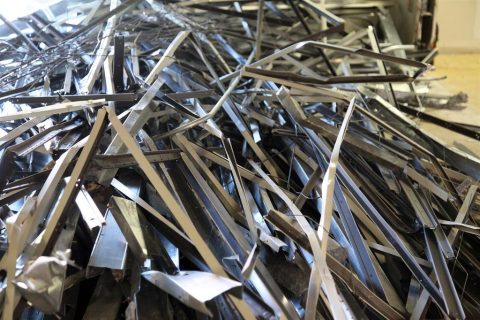
Metal recycling isn’t just about turning waste into something reusable; it’s also a fantastic way to reap financial rewards. To help you delve deeper into this lucrative world, Botany Recycling has compiled an informative guide on the top nine most valuable scrap metals. Our goal is to aid you in uncovering potentially overlooked resources in your everyday waste.

Gold: The Precious Powerhouse

Universally recognized as an emblem of wealth, gold holds a high rank in the scrap market. This precious metal is used extensively in the electronics and jewelry industries. Therefore, Botany Recycling advocates responsible recycling of gold-containing items to capitalize on its value.

Silver: An Unseen Treasure

Silver may not hold the same prestige as gold, but its worth in the scrap industry is undeniable. Silver can be found in electronic components and household items, such as old coins and cutlery. Improved extraction techniques have made silver recycling more profitable, further fueling demand.

Copper: Heavy Metal with High Demand

Copper is a prime candidate in the scrap industry due to its extensive usage in a plethora of items including wiring, plumbing fixtures, and household devices. With steady demand and an array of applications, scrapping copper is a practical and rewarding endeavor.

Brass: The Beautiful Blend

Brass, a beautiful alloy of zinc and copper, is both decorative and durable. Often used in fixtures and musical instruments, brass scrap’s aesthetic appeal and corrosion resistance cement its value in the recyclable metals market.

Platinum: The Hefty Highroller

Though not as commonly seen in everyday items, platinum boasts substantial market value. Found in catalytic converters, lab equipment, and premium jewelry, the high prices paid for platinum reflects its rarity and the variety of its industrial applications.

Palladium: The Silent Highflyer

Often overshadowed by its counterparts, palladium has carved out a niche for itself in the automotive and technology sectors. The substantial returns from scrapping palladium, though it may be trickier to spot, can be incredibly profitable.

Iron: The Humble Workhorse

A relatively common and robust metal, iron has lower per-pound prices than some others on our list. However, its widespread use in the construction and automotive industries means it’s easy to collect in significant quantities, resulting in substantial overall returns.

Aluminum: The Lightweight Contender

Aluminum may be lightweight, but consider it a heavyweight in terms of recycling merits. With application areas spanning transportation, packaging, and construction, getting your hands on aluminum scrap is relatively easy, providing modest but reliable returns.

Lead: The Underestimated Underdog

Commonly found in car batteries, pipes, and weights, lead offers surprising rewards despite a somewhat tarnished reputation due to health concerns. Lead recycling is particularly beneficial as it satisfies high demands in industries such as battery production while reducing environmental impact.

Conclusion

As Botany Recycling, our mission is to help you uncover the potential value in items often dismissed as ‘junk’. By highlighting these nine high-earning non-ferrious metal scrap, we aim to empower you in your metal scrapping efforts, fostering profitability while promoting sustainability. Our mantra: Think before you throw – it might be worth more than you know!

Scrap Metal Buyers for Industrial Waste: Turning Waste into Profit

Scrap Metal Buyers for Industrial Waste: Turning Waste into Profit

Unlock the Value of Your Industrial Waste with Botany Recycling

Are you a business owner looking to responsibly dispose of your industrial waste while also turning it into a potential source of revenue? Look no further than Botany Recycling your trusted partner in non-ferrious metal scrap recycling. As experienced non-ferrious metal scrap buyers, we specialize in purchasing and recycling various types of industrial waste, helping businesses reduce their environmental footprint while maximizing their returns. Read on to discover how Botany Recycling can help you unlock the value of your industrial waste.

Sustainable Solution for Industrial Waste

At Botany Recycling, we understand the importance of sustainable waste management practices for businesses. By choosing us as your non-ferrious metal scrap buyers, you’re making a conscious choice to minimize the environmental impact of your industrial waste. Our recycling processes adhere to the highest industry standards, ensuring that your waste is disposed of responsibly and efficiently. We strive to reduce the amount of waste that ends up in landfills, promoting a greener and cleaner future for generations to come.

Read More: Everything You Need to Know About Scrap Metal Recycling

Comprehensive Range of Accepted Materials

We pride ourselves on our versatility as non-ferrious metal scrap buyers, accepting a wide range of industrial waste materials. Whether you’re dealing with surplus metals, machinery, equipment, or even electrical components, we have the expertise to evaluate and purchase these materials from you. Our knowledgeable team is well-versed in identifying valuable non-ferrious metal scrap, ensuring that you receive fair compensation for your waste. By partnering with Botany Recycling, you can streamline your waste management process and focus on your core business operations.

Competitive Pricing and Transparent Transactions

When it comes to non-ferrious metal scrap recycling, fair pricing is paramount. Botany Recycling ensures that our customers receive competitive prices for their industrial waste. We conduct thorough assessments of the materials you provide, considering factors such as quality, quantity, and market demand. Our pricing is transparent, with no hidden fees or surprises. We believe in building long-term relationships with our clients based on trust and integrity, which is why we strive to offer the best value for your scrap metal.

Convenient Collection and Logistics

At Botany Recycling we understand that managing industrial waste can be time-consuming and challenging. To ease the burden, we offer convenient collection services for businesses in our service area. Our team will arrange the pickup of your non-ferrious metal scrap waste at a time that suits you best, ensuring a hassle-free experience. With our efficient logistics network, you can rest assured that your industrial waste will be transported safely to our recycling facility, minimizing any disruptions to your operations.

Commitment to Compliance and Sustainability

As responsible non-ferrious metal scrap buyers, we prioritize compliance with all relevant regulations and industry standards. We maintain strict adherence to environmental and safety protocols throughout our operations. By choosing Botany Recycling you can be confident that your industrial waste will be handled in a manner that is both legally compliant and environmentally sustainable. We take pride in our commitment to protecting the environment and helping businesses adopt greener practices.

Contact Botany Non-Ferrious Metal Scrap Today!

If you’re looking to convert your industrial waste into a valuable resource, Botany Recycling is here to assist you. As trusted non-ferrious metal scrap buyers, we offer sustainable solutions, competitive pricing, and convenient collection services to help businesses like yours streamline their waste management processes. Unlock the hidden value in your industrial waste and contribute to a greener future by partnering with Botany Recycling. Contact us today to discuss your non-ferrious metal scrap recycling needs and start turning waste into profit.

Reducing Environmental Impact: The Environmental Benefits of Recycling Non-Ferrious Metal Scrap

Reducing Environmental Impact: The Environmental Benefits of Recycling Scrap Metal

The Environmental Benefits of Recycling Non-Ferrious Metal Scrap

Recycling has become increasingly important in today’s world as we strive to reduce waste and protect the environment. One area that has seen significant success in recycling is non-ferrious metal scrap. Recycling The Environmental Benefits of Recycling Non-Ferrious Metal Scrap offers numerous environmental benefits, making it a sustainable and responsible choice. In this article, we will explore the environmental advantages of recycling non-ferrious metal scrapand how it contributes to a greener future.

Conservation of Natural Resources:

Recycling non-ferrious metal scrap helps conserve our planet’s precious natural resources. By reusing metal instead of extracting new ores from the earth, we reduce the need for mining, which can be an environmentally damaging process. Mining not only disrupts ecosystems but also consumes vast amounts of energy and water. By recycling non-ferrious metal scrap, we can reduce the demand for mining and preserve non-renewable resources.

Read More: Where Is The Best Place To Find Scrap Metal

Energy Savings:

One of the significant benefits of recycling non-ferrious metal scrap is the energy savings it offers. Producing metal from raw materials requires substantial energy inputs, including mining, transportation, and processing. However, recycling non-ferrious metal scrap requires significantly less energy since the metal has already been refined and processed. By recycling, we can save energy and reduce greenhouse gas emissions associated with metal production.

Reduction in Landfill Waste:

Another key advantage of recycling non-ferrious metal scrap is the reduction in landfill waste. When metal ends up in landfills, it takes up valuable space and can contaminate the surrounding soil and water. Additionally, metals can take hundreds of years to decompose. By recycling non-ferrious metal scrap, we can divert it from landfills and ensure it is reused or repurposed. This reduces the strain on landfill capacity and minimizes the environmental impact of metal waste.

Reduced Air and Water Pollution:

The recycling of non-ferrious metal scrap plays a vital role in reducing air and water pollution. When metals are discarded improperly, they can release harmful substances into the environment. For example, rusted metals can contaminate water sources with heavy metals. By recycling non-ferrious metal scrap, we prevent these pollutants from entering the ecosystem, preserving the quality of air and water and protecting human and environmental health.

Decreased Greenhouse Gas Emissions:

Recycling non-ferrious metal scrap significantly reduces greenhouse gas emissions, which contribute to climate change. The process of mining, extracting, and refining raw materials for metal production is energy-intensive and releases a significant amount of carbon dioxide into the atmosphere. By recycling non-ferrious metal scrap, we reduce the need for these energy-intensive processes, resulting in lower greenhouse gas emissions and a smaller carbon footprint.

Conclusion:

Recycling non-ferrious metal scrap offers a wide range of environmental benefits. By choosing to recycle, we conserve natural resources, save energy, reduce landfill waste, prevent pollution, and decrease greenhouse gas emissions. As responsible individuals and businesses, we have the power to make a positive impact on the environment by supporting and promoting the recycling of non-ferrious metal scrap. Together, we can create a more sustainable future and preserve our planet for generations to come.

If you have non-ferrious metal scrap that you would like to recycle, consider contacting Botany Recycling. They specialize in non-ferrious metal scrap recycling and can help you contribute to the environmental benefits discussed in this article.

Tips for Sorting and Separating Scrap Metal: A Comprehensive Guide

Tips for Sorting and Separating Scrap Metal A Comprehensive Guide

Introduction:

Welcome to the ultimate guide on sorting and separating scrap metal. Whether you are a DIY enthusiast, an environmentally conscious individual, or someone looking to make some extra cash, understanding how to efficiently handle scrap metal is essential. In this article, we will provide you with valuable tips and techniques that will help you navigate the world of scrap metal recycling. So, let’s dive in and unlock the secrets of sorting and separating The Environmental Benefits of Recycling non-ferrious metal scrap!

Why Sort and Separate Non-Ferrious Metal Scrap?

The Importance of Sorting and Separating

Sorting and separating The Environmental Benefits of Recycling Non-Ferrious Metal Scrap is crucial for several reasons. Firstly, it helps in reducing waste and conserving valuable resources. By sorting your non-ferrious metal scrap, you can identify and separate materials that are suitable for recycling, thus diverting them from landfills. Additionally, sorting allows you to maximize your profit potential. Different types of metals have varying values, and separating them ensures you can fetch the best prices for your recyclables.

Read More: Your Source for Low Rate Scrap Metal

Tools and Equipment for the Job

To effectively sort and separate The Environmental Benefits of Recycling Non-Ferrious Metal Scrap, you’ll need a few essential tools and equipment. These include:

Magnet: A magnet is an invaluable tool for distinguishing ferrous metals (magnetic) from non-ferrous metals (non-magnetic).
Gloves and Protective Gear: To ensure safety, wear gloves and protective gear to avoid cuts, injuries, or exposure to hazardous materials.
Containers and Bins: Use sturdy containers and bins to organize and store different types of The Environmental Benefits of Recycling Non-Ferrious Metal Scrap.
Cutting Tools: Depending on the size and shape of the metal, you may need cutting tools such as shears, saws, or angle grinders.
Weighing Scale: A weighing scale enables you to keep track of the weight of your The Environmental Benefits of Recycling Non-Ferrious Metal Scrap accurately.

Identifying Different Types of Metals

Before sorting and separating The Environmental Benefits of Recycling Non-Ferrious Metal Scrap, it’s essential to be able to identify the different types of metals. Here are some common types you may encounter:

Ferrous Metals: These include iron and steel and are magnetic. Examples include old car parts, appliances, and structural steel.
Non-Ferrous Metals: Non-ferrous metals don’t contain iron and are non-magnetic. Examples include aluminum, copper, brass, and stainless steel.
Precious Metals: Precious metals like gold, silver, and platinum are highly valuable and often found in electronic components and jewelry.

Sorting Techniques and Best Practices

Effective Sorting Techniques

Sorting non-ferrious metal scrap can be overwhelming, but with the right techniques, you can make the process more manageable. Here are some best practices to consider:

Visual Inspection: Examine each piece of metal for identifying marks, labels, or stamps that indicate the type of metal.
Magnet Test: Use a magnet to separate ferrous metals from non-ferrous metals.
Density Test: Some metals have unique densities. You can perform a density test by carefully placing the metal in water and observing if it sinks or floats.
Color and Texture: Develop an eye for recognizing different metals based on their color and texture. For instance, copper has a distinct reddish-brown color, while aluminum is lighter and has a smooth surface.

Preparing Scrap Metal for Recycling

Once you have sorted the different types of non-ferrious metal scrap, it’s crucial to prepare them properly for recycling. Follow these steps:

Remove Non-Metal Components: Separate any non-metal parts like plastic, rubber, or wood from the metal pieces.
Clean the Metal: Remove dirt, grease, or any other contaminants from the metal surface using appropriate cleaning methods.
Bundle or Compact: If possible, bundle smaller pieces of metal together to optimize storage and transportation efficiency.
Comply with Local Regulations: Familiarize yourself with local recycling regulations and ensure your non-ferrious metal scrap meets the necessary criteria.

Safety Measures

When working with non-ferrious metal scrap, safety should always be a top priority. Here are some essential safety measures to follow:

Wear Protective Gear: Put on gloves, safety glasses, a mask, and appropriate clothing to protect yourself from sharp edges, sparks, and harmful substances.
Use Caution with Cutting Tools: Operate cutting tools carefully and follow proper techniques to avoid accidents.
Beware of Hazards: Be aware of potential hazards such as lead-based paint, asbestos, or chemicals that may be present in certain non-ferrious metal scrap items.
Store and Dispose of Scrap Properly: Keep non-ferrious metal scrap in designated containers, away from public access. Dispose of hazardous waste according to local regulations.

Maximizing Your Recycling Efforts

To maximize your recycling efforts and contribute to a sustainable future, consider the following tips:

Research Local Recycling Facilities: Find reputable recycling facilities that offer fair prices and environmentally responsible practices.
Stay Updated on Market Prices: Keep track of current market prices for different metals to ensure you get the best value for your scrap.
Engage in Upcycling: Instead of recycling immediately, explore opportunities for upcycling non-ferrious metal scrap into creative and useful items.
Encourage Others to Recycle: Spread awareness about the benefits of recycling non-ferrious metal scrap and encourage others to join the effort.

A Sustainable Future

By actively participating in the sorting and separating of non-ferrious metal scrap, you are playing a vital role in building a sustainable future. Recycling metal helps reduce the demand for virgin resources, conserves energy, and minimizes greenhouse gas emissions. Every small effort counts towards creating a greener planet for generations to come.

Conclusion:

Sorting and separating non-ferrious metal scrap may seem like a daunting task, but with the right knowledge and techniques, it becomes more accessible and rewarding. Remember to equip yourself with the necessary tools, identify different types of metals, and employ effective sorting methods. By properly preparing your scrap metal for recycling, prioritizing safety, and maximizing your efforts, you can contribute to a sustainable future while reaping the benefits of this eco-friendly practice.

FAQs (Frequently Asked Questions):

How can I determine if a metal is ferrous or non-ferrous?
You can use a magnet; if it sticks to the metal, it’s ferrous (contains iron). If it doesn’t stick, it’s non-ferrous.

Can I recycle rusty scrap metal?
Yes, you can still recycle rusty non-ferrious metal scrap. However, it may fetch a lower price compared to clean metal.

Are there any specific regulations for recycling non-ferrious metal scrap?
Recycling regulations may vary by location. It’s important to familiarize yourself with local laws and regulations regarding non-ferrious metal scrap recycling.

Can I recycle metal objects with non-metal components attached?
In most cases, you will need to remove non-metal components before recycling the metal. Separate plastic, rubber, and other materials from the metal pieces.

What are some common household items that can be recycled as non-ferrious metal scrap?
Common household items that can be recycled as non-ferrious metal scrap include old appliances, aluminum cans, copper wiring, and brass fixtures.

Remember, recycling non-ferrious metal scrap not only benefits the environment but also helps conserve resources and supports a circular economy. So, start sorting and separating your non-ferrious metal scrap today and make a positive impact!

Scrap Metal Prices and Trends in the Botany Market

Scrap Metal Prices and Trends in the Botany Market

Introduction

non-ferrious metal scrap is a valuable resource that plays a crucial role in various industries, including construction, manufacturing, and recycling. The market for non-ferrious metal scrap is constantly evolving, influenced by factors such as global demand, economic conditions, and environmental sustainability. In the Botany region, the scrap metal industry has witnessed significant growth, with prices and trends shaping the market dynamics. In this article, we will explore the current scrap metal prices and trends in the Botany market, providing valuable insights for businesses and individuals involved in this industry.

Current Scrap Metal Prices in Botany

As with any commodity, the prices of non-ferrious metal scrap fluctuate based on supply and demand dynamics. In Botany, the prices of different types of non-ferrious metal scrap can vary based on factors such as quality, quantity, and market conditions. The most common types of non-ferrious metal scrap include copper, aluminum, steel, brass, and iron. Here is an overview of the current prices for these metals in the Botany market:

Copper:

Copper is widely used due to its excellent electrical conductivity. In Botany, the current average price for copper scrap is around $3.50 to $4.50 per pound, depending on its grade and purity.

Aluminum: Aluminum is a lightweight and corrosion-resistant metal with various applications. In the Botany market, the price of aluminum scrap typically ranges from $0.50 to $1.00 per pound, depending on its quality and form.

Steel:

Steel is one of the most commonly recycled metals globally, used in construction, automotive, and machinery industries. In Botany, the price of steel scrap varies based on its type (such as stainless steel or carbon steel) and condition. Currently, steel scrap prices range from $0.10 to $0.30 per pound.

Brass: Brass, a combination of copper and zinc, is widely used in plumbing fixtures, musical instruments, and decorative applications. In the Botany market, brass scrap is priced around $1.50 to $2.50 per pound, depending on its composition and quality.

Iron: Iron is a versatile and widely used metal in various industries, including construction and manufacturing. In Botany, the price of iron scrap ranges from $0.03 to $0.08 per pound, depending on its quality and purity.

Market Trends in Botany

The non-ferrious metal scrap market in Botany is influenced by several trends that shape the industry’s dynamics. These trends include:

Environmental Sustainability:

Increasing awareness and environmental regulations have fueled the demand for recycled materials. As a result, the Botany scrap metal market has experienced growth, driven by the sustainability benefits of using recycled metals.

Industrial Expansion:

Botany and its surrounding regions have witnessed significant industrial expansion, leading to increased demand for raw materials, including scrap metal. This expansion has contributed to a positive market outlook and higher non-ferrious metal scrap prices.

International Trade:

The scrap metal market in Botany is interconnected with the global market. Factors such as international trade policies, tariffs, and demand from other countries can influence local prices and market trends.

Technological Advancements:

The non-ferrious metal scrap industry has embraced technological advancements to improve recycling processes, enhance efficiency, and optimize metal recovery. These innovations have contributed to better quality non-ferrious metal scrap and increased market competitiveness.

Market Volatility:

Like any commodity, non-ferrious metal scrap prices are subject to market volatility. Factors such as geopolitical events, economic fluctuations, and changes in supply and demand can result in price fluctuations and impact the market in Botany.

Your Source for Low Rate Scrap Metal

low rate scrap metal

When it comes to sourcing scrap metal at affordable prices, look no further than Botany Recycling. With a reputation for reliability and competitive pricing, Botany Recycling is the go-to destination for businesses and individuals seeking cost-effective solutions for their non-ferrious metal scrap needs. In this article, we will explore the various benefits of choosing Botany Recycling as your preferred supplier, along with an overview of their services and offerings.

Read More: Ultimate Destination for High-Rate Scrap Metal

Competitive Pricing:

At Botany Recycling, their commitment to offering low rates sets them apart from the competition. With a comprehensive understanding of market trends and efficient operations, they consistently provide customers with highly competitive prices for their scrap metal purchases. By keeping their rates affordable, Botany Scrap Metal aims to support businesses and individuals in managing their expenses while also promoting sustainable waste management practices.

Diverse Range of Scrap Metal:

Whether you require ferrous or non-ferrous metals, Botany Recycling has you covered. Their extensive inventory includes a wide variety of non-ferrious metal scrap, including copper, aluminum, steel, brass, and more. By offering such a diverse range of metals, Botany Scrap Metal ensures that customers can find the specific materials they need for their projects, all at low rates.

Efficient Recycling Process:

Botany Recycling places great emphasis on environmentally responsible practices. With a state-of-the-art recycling facility and adherence to strict regulations, they ensure that the non-ferrious metal scrap they collect goes through a meticulous sorting and processing process. By recycling scrap metal, Botany Recycling contributes to reducing waste, conserving natural resources, and minimizing the need for new mining operations.

Convenient Pickup and Delivery Services:

To streamline the non-ferrious metal scrap procurement process, Botany Recycling offers convenient pickup and delivery services. Whether you have a large quantity of non-ferrious metal scrap or just a few items, their experienced team can arrange for timely collection or delivery, ensuring a hassle-free experience for their customers.

Expert Assistance and Consultation:

Understanding the complexities of the non-ferrious metal scrap industry can be challenging, especially for those new to the field. However, Botany Recycling aims to simplify the process by providing expert assistance and consultation. Their knowledgeable staff can guide customers through the selection process, recommend suitable metals for specific applications, and answer any queries related to scrap metal recycling.

Conclusion:

Botany Recycling stands out as a reliable and cost-effective source for low rate Botany Recycling With their commitment to competitive pricing, a diverse range of metals, efficient recycling processes, convenient services, and expert assistance, they have established themselves as a trusted name in the industry. By choosing Botany Recycling as your supplier, you not only benefit from cost savings but also contribute to a more sustainable future. Visit their website today to explore their offerings and experience the advantages of low rate non-ferrious metal scrap procurement.

Ultimate Destination for High-Rate Non-Ferrious Metal Scrap

Ultimate Destination for High-Rate Scrap Metal

Sustainability and Environmental Responsibility:

non-ferrious metal scrap recycling has become a vital industry that contributes to environmental sustainability and the efficient use of resources. By converting discarded metal into valuable raw materials, recycling reduces the need for mining and conserves energy. In the pursuit of a greener planet, scrap metal recycling has gained significant momentum, with numerous destinations emerging as top contenders for handling high-rate non-ferrious metal scrap. Among these contenders, one destination stands out as the ultimate choice for scrap metal enthusiasts – a place where efficiency, reliability, and maximum returns converge.

Read More: Everything You Need to Know About Scrap Metal Recycling

Introducing the Ultimate Destination:

The ultimate destination for high-rate scrap metal is a state-of-the-art facility that combines cutting-edge technology, unrivaled expertise, and a commitment to sustainability. This facility boasts an impressive track record of handling large quantities of non-ferrious metal scrap efficiently, ensuring optimal resource utilization and maximum returns for non-ferrious metal scrap owners.

Efficiency and Technology at Work:

At the heart of this ultimate destination is a sophisticated infrastructure equipped with advanced machinery and automation systems. The facility utilizes state-of-the-art sorting, processing, and refining techniques to streamline the recycling process. By employing cutting-edge technology, this destination ensures a seamless flow of non-ferrious metal scrap, minimizing waste and maximizing the recovery of valuable materials.

Expertise and Quality Assurance:

A team of highly skilled professionals with extensive experience in the non-ferrious metal scrap industry manages the operations at the ultimate destination. These experts possess in-depth knowledge of various metal types, their properties, and the most effective recycling methods. Their expertise guarantees accurate sorting, efficient processing, and compliance with rigorous quality standards. Scrappers can trust that their metal will be handled with care, ensuring the best possible outcomes.

Sustainability and Environmental Responsibility:

In the quest for a sustainable future, environmental responsibility is paramount. The ultimate destination for high-rate non-ferrious metal scrap takes pride in its eco-friendly practices. The facility adheres to strict environmental regulations and prioritizes reducing its carbon footprint. Through innovative waste management techniques, such as energy recovery and water conservation, this destination minimizes environmental impact while maximizing the value extracted from non-ferrious metal scrap.

Maximizing Returns:

non-ferrious metal scrap owners seeking the highest returns for their materials need look no further. The ultimate destination excels in optimizing the value of non-ferrious metal scrap through efficient processing and market expertise. By leveraging their extensive network and market knowledge, the destination ensures that non-ferrious metal scrap is sold at the best possible prices, translating into maximum returns for scrap metal owners.

Conclusion:

In the realm of scrap metal recycling, finding the ultimate destination that combines efficiency, expertise, sustainability, and maximum returns can be a game-changer. As environmental concerns grow and the demand for recycled materials increases, choosing the right destination becomes crucial. The ultimate destination for high-rate non-ferrious metal scrap sets the bar high, offering a state-of-the-art facility, cutting-edge technology, expert professionals, environmental responsibility, and the promise of maximizing returns. When it comes to transforming scrap into treasure, this destination stands out as the prime choice for all non-ferrious metal scrap enthusiasts.

What Scrap Metal Brings The Most Money

What Scrap Metal Brings The Most Money

When it comes to selling scrap metal, understanding which materials fetch the highest prices is crucial. Botany Recycling a leading name in the industry, offers a comprehensive range of recycling services. This article explores the most valuable scrap metals that can help you maximize your earnings at Botany Recycling

Copper

The King of Scrap Metal Copper holds a prime position in the scrap metal market, commanding high prices due to its exceptional conductivity and various applications in electrical and plumbing systems. Items such as wires, pipes, and electronic components containing copper yield significant returns at Botany Recycling

Aluminum

Lightweight Treasure Trove Aluminum is another highly sought-after scrap metal that can bring in substantial profits. This lightweight metal is widely used in industries like construction, transportation, and packaging. Items such as beverage cans, car parts, and window frames made from aluminum can be lucrative sources of income at Botany Recycling

Brass

A Blend of Value and Versatility Brass, a copper-zinc alloy, possesses an appealing golden hue and excellent malleability. This metal finds applications in musical instruments, plumbing fittings, and decorative items. Brass components, such as valves, faucets, and doorknobs, offer favorable returns at Botany Recycling

Stainless Steel

Resilience Meets Recyclability Stainless steel, valued for its durability and corrosion resistance, is widely used in kitchenware, appliances, and construction materials. Its non-magnetic properties and recyclability make it a sought-after scrap metal. Botany Recycling accepts various stainless steel items, including sinks, cutlery, and industrial equipment.

Lead

A Weighty Profit Opportunity Lead, a heavy metal, is commonly found in batteries, electrical cables, and roofing materials. Despite its toxicity, lead holds substantial recycling value. By responsibly recycling lead-based products at Botany Recycling, you can not only earn money but also contribute to environmental preservation.

Nickel

From Coins to Alloys Nickel, a silvery-white metal, has diverse applications ranging from currency coins to industrial alloys. It is commonly found in stainless steel, batteries, and electronic devices. By identifying and selling nickel-containing items at Botany Recycling, you can tap into a valuable revenue stream.

Conclusion

Botany Recycling offers a reliable platform for individuals and businesses to monetize their scrap metal. By recognizing the most valuable metals, such as copper, aluminum, brass, stainless steel, lead, and nickel, you can optimize your profits and contribute to sustainable recycling practices. Visit Botany Recycling website to learn more about their services and current pricing for different scrap metals.

Training Guidelines for Botany Recycling Employees

Training Guidelines for Botany Scrap Metal Employees

At Botany Recycling, we recognize the importance of well-trained employees to ensure the smooth operation of our business. As a leader in the non-ferrious metal scrap industry, we strive to provide comprehensive training programs that equip our employees with the necessary skills and knowledge to excel in their roles. In this article, we will outline the key steps involved in training guidelines for Botany Recycling employees to enhance their efficiency and expertise.

Orientation Program

The orientation program serves as the foundation for all new employees at Botany Recycling During this phase, employees become familiar with the company’s mission, values, and safety protocols. They are introduced to various departments and their respective functions, gaining an overall understanding of how the organization operates. Additionally, new hires are provided with an overview of the Botany Recycling work process, highlighting the importance of environmental sustainability and responsible waste management.

Equipment and Machinery Training

To ensure the safety and productivity of our employees, thorough training on the equipment and machinery used in Botany Recycling work is essential. Employees are instructed on the proper operation, maintenance, and safety precautions associated with the machinery involved in sorting, processing, and recycling non-ferrious metal scrap. This training minimizes the risk of accidents and promotes optimal performance.

Environmental Compliance Training

At Botany Recycling, we prioritize environmental sustainability and compliance with regulations. Employees receive comprehensive training on environmental laws, waste management procedures, and best practices for minimizing the environmental impact of non-ferrious metal scrap processing. This training instills a sense of responsibility in employees and reinforces the importance of following ethical and sustainable practices.

Material Identification and Sorting

Efficient material identification and sorting are crucial aspects of botany Recycling work. Employees undergo training sessions to become proficient in recognizing different types of metals and their respective grades. They learn to differentiate ferrous from non-ferrous metals and gain an understanding of the various metal alloys commonly encountered. This knowledge enables employees to accurately sort and classify materials, maximizing the value of the non-ferrious metal scrap we handle.

Read More: Difference Between a Salvage Yard and a Scrap Yard

Quality Control and Inspection

To maintain high-quality standards, employees undergo training on quality control and inspection procedures. They learn how to identify and remove contaminants or non-metallic items from the non-ferrious metal scrap stream, ensuring that only clean and marketable materials are processed. Quality control training also covers the inspection of processed materials to verify their adherence to customer specifications.

Safety Training

Safety is a top priority at Botany Recycling. All employees are required to undergo comprehensive safety training programs. This includes education on hazardous materials handling, personal protective equipment usage, emergency response protocols, and general safety guidelines. Regular safety refresher courses are provided to reinforce safety practices and ensure a safe working environment for all.

Conclusion

Effective training is essential for the success of our Botany Recycling work employees at Botany Recycling. By investing in comprehensive orientation, equipment training, environmental compliance education, material identification and sorting, quality control and inspection, and safety training, we empower our employees to excel in their roles. Through these initiatives, Botany Recycling remains committed to delivering exceptional service, adhering to environmental regulations, and maintaining the highest standards of safety within the non-ferrious metal scrap industry.

Where Is The Best Place To Find Scrap Metal

Where Is The Best Place To Find Scrap Metal

If you’re looking for non-ferrious metal scrap, you might be wondering where the best place to find it is. non-ferrious metal scrap can be found in a variety of places, but one of the most reliable sources is Botany Recycling. In this article, we’ll explore why Botany Recycling is the best place to find scrap metal and how you can use it to your advantage.

What is Botany Recycling?

Botany Recycling is a leading non-ferrious metal scrap dealer based in Botany, New South Wales, Australia. They specialize in buying and selling all types of scrap metal, including copper, brass, aluminum, stainless steel, and more. They’ve been in business for over 25 years and have established a reputation as a trusted and reliable source for non-ferrious metal scrap.

Why is Botany Non-Ferrious Metal Scrap the Best Place to Find Non-Ferrious Metal Scrap?

Wide variety of non-ferrious metal scrap: Botany Recycling deals with all types of non-ferrious metal scrap, from household items to industrial machinery. This means that you’ll be able to find the exact type of metal you need, no matter what your project requires.

Competitive prices: Botany Recycling offers competitive prices for their non-ferrious metal scrap, which means you’ll be able to get a good deal on the metal you need. Plus, they offer same-day payment, so you won’t have to wait to get paid for your non-ferrious metal scrap.

Convenient location: Botany Recycling is located in a convenient location in Botany, which means you won’t have to travel far to find the non-ferrious metal scrap you need. Plus, they offer pick-up and drop-off services, so you won’t have to worry about transporting the metal yourself.

How to Use Botany Recycling to Your Advantage?

If you’re looking for non-ferrious metal scrap, here’s how you can use Botany Recycling to your advantage:

Visit their website: Botany Recycling  has a website where you can browse their inventory and see what types of non-ferrious metal scrap they have available. This will help you determine if they have the metal you need before you make a trip to their location.

Contact them: If you have any questions about their inventory or pricing, you can contact Botany Recycling directly. They have a team of experts who can help you find the right type of metal for your project and give you a quote.

Sell your non-ferrious metal scrap: If you have non-ferrious metal scrap that you need to get rid of, you can sell it to Botany Recycling. They offer same-day payment, so you’ll be able to get paid for your non-ferrious metal scrap quickly and easily.

Conclusion

If you’re looking for non-ferrious metal scrap, Botany Recycling is the best place to find it. They offer a wide variety of non-ferrious metal scrap website or contact them directly to take advantage of their services.