Is Copper Cable 100% Copper

What is The Trend in The Copper Industry

When it comes to copper cables, the question of purity often arises. Many consumers and businesses rely on copper cables for their electrical and telecommunications needs, but understanding the composition of these cables is crucial. In this article, we will explore whether copper cables are truly 100% copper, and we will draw insights from Botany Recycling

What is Copper Cable?

Copper cable is a type of electrical conductor made primarily of copper. It is widely used for various applications, including power transmission, telecommunications, and networking. The electrical conductivity, durability, and flexibility of copper make it an ideal choice for these applications.

There are different types of copper cables, including:

  • Bare Copper Wire: This is the purest form of copper cable and is typically used in applications where corrosion resistance is important.
  • Copper Clad Aluminum (CCA) Cable: This type consists of an aluminum core coated with a thin layer of copper. While it is more cost-effective, it does not offer the same conductivity as pure copper.
  • Stranded Copper Cable: This type is made up of multiple strands of copper wire, providing flexibility and making it easier to work with in tight spaces.

Purity Levels in Copper Cable

While many cables are labeled as “copper,” this does not necessarily mean they are 100% copper. Here are some factors to consider:

  • Copper Content: The copper content in cables can vary significantly. Some cables may contain only a small percentage of copper, while others are nearly pure copper.
  • Alloy Variations: Copper cables can be made from alloys that include other metals, which can affect conductivity and overall performance.
  • Quality Standards: Organizations like the American Wire Gauge (AWG) provide standards for copper wire, but not all manufacturers adhere to these guidelines.

Why Does It Matter?

Understanding the purity of copper cables is essential for several reasons:

  1. Performance: Higher copper content generally translates to better conductivity and performance.
  2. Cost: Pure copper cables tend to be more expensive. Knowing the composition can help consumers make informed purchasing decisions.
  3. Recyclability: Pure copper is more valuable in recycling than alloyed or coated materials, which is an important consideration for those looking to recycle old cables.

Conclusion

In summary, while many copper cables claim to be made of copper, they may not be 100% pure. It’s essential to check the specifications and understand the type of copper used in your cables. For more information on copper cable and recycling options, visit Botany Recycling, where you can learn more about the materials and the best practices for recycling.

What is The Main Component of Brass

What is The Main Component of Brass

Brass is a popular and versatile metal alloy used in various industries, ranging from construction to decorative arts. Understanding its main component is essential for those in the metal industry, as well as anyone interested in the science behind this widely used material. In this article, we’ll delve into the composition of brass, with a focus on its primary component.

The Composition of Brass

Brass is an alloy, meaning it is a mixture of two or more metals. The exact composition of brass can vary depending on its intended use, but it generally consists of two primary metals: copper and zinc. The proportions of these metals can be adjusted to give brass different properties, such as strength, corrosion resistance, and color.

The Main Component: Copper

The main component of brass is copper. Typically, brass contains about 60-70% copper, with the remaining percentage being zinc. Copper is responsible for the reddish-brown color that is often associated with brass. The high copper content also gives brass its excellent thermal and electrical conductivity, making it a useful material in electrical applications.

Role of Copper in Brass

Copper’s role in brass is crucial for several reasons:

  • Corrosion Resistance: Copper enhances brass’s resistance to corrosion, especially in marine environments.
  • Malleability: Copper makes brass more malleable, allowing it to be easily shaped into various forms.
  • Aesthetic Appeal: The reddish hue of copper gives brass a warm, attractive appearance that is often used in decorative items.

Secondary Component: Zinc

While copper is the main component, zinc plays a significant role in the properties of brass. The amount of zinc can range from 30% to 40%, depending on the desired characteristics of the final alloy. Zinc adds strength and hardness to the brass, making it more durable.

Variations in Brass Composition

The ratio of copper to zinc in brass can be modified to produce different types of brass:

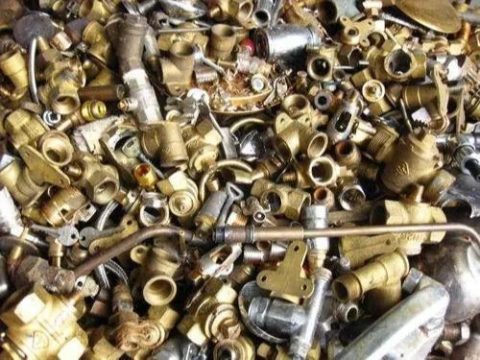
  • Red Brass: Contains a higher percentage of copper (around 85%) and is used for plumbing and electrical applications.
  • Yellow Brass: Has a lower copper content (around 60-65%) and is often used in musical instruments and decorative items.
  • Cartridge Brass: With about 70% copper, this type of brass is used in ammunition casings and is known for its excellent formability.

Conclusion

Understanding that copper is the main component of brass is essential for appreciating the unique properties of this alloy. Whether you’re working with brass in an industrial setting or simply curious about its composition, knowing the role of copper helps you understand why brass is so valued in various applications. At Botany Recycling, we recognize the importance of these metals and are committed to helping you recycle and repurpose brass effectively.

What is The Trend in The Copper Industry

What is The Trend in The Copper Industry

The copper industry plays a vital role in the global economy, influencing various sectors such as construction, electronics, and energy. As one of the most widely used metals, copper is a key material in wiring, plumbing, and countless other applications. In recent years, the copper industry has been experiencing several trends that are shaping its future. In this article, we explore the current trends in the copper industry and what they mean for stakeholders.

Rising Demand Due to Electrification and Green Energy

One of the most significant trends in the copper industry is the rising demand driven by the global shift towards electrification and renewable energy. Copper is essential in the production of electric vehicles (EVs), wind turbines, and solar panels. As countries aim to reduce carbon emissions, the demand for copper is expected to soar, with projections indicating a doubling of copper usage in the energy sector by 2040.

Supply Constraints and Exploration Challenges

While demand for copper is increasing, the supply side is facing challenges. Many existing copper mines are aging, and new discoveries are becoming rarer and more difficult to access. This has led to concerns about a potential copper shortage in the future, driving exploration efforts into more remote and difficult-to-mine areas. Additionally, environmental regulations are becoming stricter, further complicating new mining projects.

Recycling and Circular Economy

As the copper industry grapples with supply constraints, recycling has emerged as a critical component of the industry’s sustainability efforts. Copper is 100% recyclable without any loss of quality, making it an ideal material for a circular economy. The industry is seeing a trend towards increased recycling rates, which not only helps meet demand but also reduces environmental impact. Companies like Botany Recycling are at the forefront of this movement, providing services to recycle copper scrap efficiently.

Technological Advancements in Mining and Production

The copper industry is also witnessing a surge in technological advancements aimed at improving mining and production efficiency. Automation, artificial intelligence (AI), and advanced data analytics are being increasingly adopted to optimize operations, reduce costs, and minimize environmental impact. These technologies are helping companies extract copper more efficiently, even from low-grade ores.

Price Volatility and Market Dynamics

Copper prices have been highly volatile in recent years, influenced by a variety of factors, including global economic conditions, geopolitical tensions, and shifts in supply and demand. The price of copper has experienced significant fluctuations, making it a challenging environment for industry players to navigate. However, many analysts believe that the long-term outlook remains positive due to the metal’s essential role in green technologies.

Conclusion

The copper industry is at a crossroads, influenced by a mix of rising demand, supply challenges, and technological innovations. As the world continues to transition towards a greener economy, the importance of copper is set to increase. Companies like

Botany Recycling are playing a crucial role in ensuring the sustainability of the copper industry through recycling and responsible sourcing. Understanding these trends is vital for anyone involved in or affected by the copper industry, as they will shape its future trajectory.

Which is Better Steel or Aluminum

Which is Better Steel or Aluminum

When it comes to choosing between steel and aluminum for various applications, both metals have their unique strengths and weaknesses. At Botany Recycling, we often get asked which material is better. The answer depends on the specific needs of the project. Below, we explore the key differences and advantages of each metal to help you make an informed decision.

1. Strength and Durability

  • Steel: Steel is known for its exceptional strength and durability. It is often the preferred choice for construction, automotive, and heavy-duty industrial applications due to its ability to withstand high stress and heavy loads. Its tensile strength is generally higher than that of aluminum, making it less prone to warping or bending under pressure.
  • Aluminum: While aluminum is not as strong as steel, it offers a good balance of strength and weight. Aluminum’s natural corrosion resistance also makes it a great option for environments where moisture is a concern. Although it may not be as durable as steel in some applications, it performs well in situations where weight is a critical factor.

2. Weight

  • Steel: Steel is significantly heavier than aluminum. This can be an advantage in applications where stability and weight are important, such as in the construction of bridges, buildings, and heavy machinery. However, the added weight can also be a drawback in industries like aerospace or automotive, where reducing weight is crucial for efficiency and fuel economy.
  • Aluminum: Aluminum is much lighter than steel, making it an excellent choice for applications where weight reduction is essential. This is why aluminum is commonly used in the manufacturing of aircraft, automotive parts, and even some types of packaging. Its lighter weight can improve performance and reduce energy consumption in various applications.

3. Corrosion Resistance

  • Steel: One of the main drawbacks of steel is its susceptibility to corrosion, especially when exposed to moisture and oxygen. While certain types of steel, like stainless steel, have been treated to resist rust, regular steel will require protective coatings or treatments to prevent corrosion over time.
  • Aluminum: Aluminum naturally forms a protective oxide layer that helps prevent corrosion. This makes it a better choice for applications where the material will be exposed to the elements or corrosive environments, such as in marine applications or outdoor structures.

4. Cost

  • Steel: Generally, steel is less expensive than aluminum. This lower cost can make steel the preferred material for large-scale projects where budget constraints are a concern. However, the cost of steel can vary depending on the type and the treatment it has undergone (e.g., stainless steel is more expensive than regular steel).
  • Aluminum: Aluminum is typically more expensive than steel, especially when it comes to high-grade alloys. However, the benefits of its lightweight and corrosion resistance can outweigh the initial cost in certain applications. The long-term savings from reduced maintenance and energy efficiency can make aluminum a cost-effective choice in specific industries.

5. Sustainability and Recycling

  • Steel: Steel is highly recyclable and can be reused without losing its strength. The recycling process for steel is well-established and energy-efficient, making it an environmentally friendly option for many industries.
  • Aluminum: Aluminum is also highly recyclable, and the recycling process requires only a fraction of the energy needed to produce new aluminum. This makes aluminum an excellent choice for sustainable applications. Its lightweight nature also contributes to reduced transportation emissions, adding to its eco-friendly credentials.

Conclusion: Which is Better?

At Botany Recycling, we believe that the choice between steel and aluminum depends on the specific requirements of your project.

  • Choose Steel if your priority is strength, durability, and cost-effectiveness for heavy-duty applications.
  • Choose Aluminum if weight reduction, corrosion resistance, and sustainability are more critical for your needs.

Ultimately, both materials have their place, and understanding their unique properties will help you make the best choice for your application. For more information on recycling and sourcing these metals, visit Botany Recycling

How Sims Metal Recyclers Are Revolutionizing the Scrap Metal Industry

How Sims Metal Recyclers Are Changing Scrap Metal Industry

non-ferrous metal scrap recycling is an industry that plays a pivotal role in environmental sustainability, economic growth, and resource conservation. Among the leaders in this field is Sims Metal Recyclers, a global company with a strong commitment to revolutionizing the way non-ferrous metal scrap is collected, processed, and repurposed. As a service provider in the same industry, Botany Recycling recognizes the transformative impact that Sims Metal Recyclers has on the industry and the environment. This article explores how Sims Metal Recyclers are changing the landscape of the scrap metal industry and what it means for businesses like ours.

The Importance of Non-Ferrous Scrap Metal Recycling

Before delving into how Sims Metal Recyclers are revolutionizing the industry, it’s essential to understand the significance of scrap metal recycling. Recycling metal helps reduce the need for mining, conserves natural resources, and reduces energy consumption. Additionally, it decreases greenhouse gas emissions and minimizes landfill waste. The economic benefits are also substantial, as the recycling industry provides jobs, supports local economies, and creates valuable raw materials for manufacturing.

Environmental Benefits

One of the most significant advantages of scrap metal recycling is its positive impact on the environment. Mining new metals is an energy-intensive process that contributes to environmental degradation. Recycling metals like aluminum, copper, steel, and brass uses significantly less energy and reduces the strain on natural resources. For instance, recycling aluminum saves up to 95% of the energy required to produce new aluminum from bauxite ore.

Economic Contributions

The scrap metal recycling industry contributes billions of dollars to the global economy each year. It creates jobs, generates tax revenue, and supports various industries by providing affordable raw materials. By recycling metals, we reduce the cost of production for manufacturers, making products more affordable for consumers.

Resource Conservation

Metals are finite resources, and recycling them is crucial to ensuring their availability for future generations. By reusing metals, we can preserve natural resources and reduce the need for mining, which often results in habitat destruction and water pollution.

Sims Metal Recyclers: A Global Leader

Sims Metal Recyclers, a division of Sims Limited, is one of the largest metal recycling companies in the world. With over 250 facilities across 15 countries, Sims Metal Recyclers has set the standard for sustainable and efficient metal recycling practices. Their operations span every aspect of the recycling process, from collection and processing to resale and export.

Innovation in Recycling Technology

One of the key ways Sims Metal Recyclers is revolutionizing the scrap metal industry is through the adoption of cutting-edge recycling technology. The company has invested heavily in advanced machinery and processes that enhance the efficiency and effectiveness of metal recycling. These innovations include:

  • Shredding and Sorting Technology: Sims Metal Recyclers utilizes state-of-the-art shredders that can process large volumes of scrap metal quickly and efficiently. The shredded metal is then sorted using advanced separation techniques, such as eddy current separators, magnetic drums, and optical sorting systems. These technologies ensure that different types of metals are accurately separated for recycling.
  • Automated Recycling Facilities: Many of Sims’ facilities are highly automated, reducing the need for manual labor and increasing the speed of processing. Automated systems can handle large quantities of scrap metal with precision, ensuring that valuable metals are recovered and contaminants are removed.
  • Energy-Efficient Processes: Sims Metal Recyclers is committed to reducing its carbon footprint by using energy-efficient technologies in its recycling operations. This includes the use of energy-efficient machinery, renewable energy sources, and waste heat recovery systems.

Sustainability and Environmental Responsibility

Sims Metal Recyclers is not only focused on technological innovation but also on sustainability and environmental responsibility. The company has set ambitious goals to reduce its environmental impact, including reducing greenhouse gas emissions, conserving water, and minimizing waste.

  • Carbon Neutrality: Sims Metal Recyclers has committed to achieving carbon neutrality by 2042. This goal involves reducing emissions across its operations, investing in renewable energy, and offsetting any remaining emissions through carbon credits and other initiatives.
  • Water Conservation: Water is a critical resource in the metal recycling process, particularly for cooling and dust suppression. Sims Metal Recyclers has implemented water conservation measures, such as recycling and reusing water in its facilities, to reduce water consumption and minimize its impact on local water resources.
  • Waste Minimization: Sims Metal Recyclers aims to minimize waste generated from its operations by recycling as much material as possible. The company is also exploring ways to repurpose byproducts from the recycling process, such as slag and dust, into useful materials.

Global Reach and Local Impact

With facilities in North America, Europe, and the Asia-Pacific region, Sims Metal Recyclers has a significant global presence. However, the company’s impact is not limited to the global stage; it also has a profound effect on local communities.

  • Job Creation: Sims Metal Recyclers employs thousands of people worldwide, providing stable jobs and supporting local economies. The company also invests in training and development programs to ensure its employees have the skills needed to excel in the industry.
  • Community Engagement: Sims Metal Recyclers is committed to being a responsible corporate citizen. The company engages with local communities through various initiatives, including educational programs, environmental clean-up efforts, and charitable donations.

Collaboration and Partnerships

Sims Metal Recyclers understands that collaboration is key to driving innovation and sustainability in the scrap metal industry. The company partners with a wide range of stakeholders, including government agencies, industry associations, and environmental organizations, to promote best practices and advance the industry.

  • Industry Associations: Sims Metal Recyclers is an active member of several industry associations, including the Institute of Scrap Recycling Industries (ISRI) and the Bureau of International Recycling (BIR). These organizations work to establish industry standards, advocate for policies that support recycling, and promote the benefits of recycling to the public.
  • Research and Development: Sims Metal Recyclers collaborates with universities, research institutions, and technology companies to advance recycling technology and explore new ways to recycle metals. These partnerships help drive innovation and ensure that the industry continues to evolve.

See Also: E-Waste Metal Recovery An Overview

The Impact on Businesses Like Botany Recycling

As a local business in the scrap metal industry, Botany Recycling understands the importance of staying competitive and adapting to industry changes. The innovations and practices pioneered by Sims Metal Recyclers provide valuable insights and opportunities for businesses like ours.

Adopting Best Practices

One of the ways Botany Recycling can benefit from the advancements made by Sims Metal Recyclers is by adopting best practices in our operations. This includes investing in modern recycling technology, implementing sustainability measures, and enhancing our customer service.

  • Advanced Technology: By incorporating advanced shredding, sorting, and processing technologies, Botany Recycling can improve the efficiency and accuracy of our recycling operations. This not only increases our capacity to handle larger volumes of scrap metal but also ensures that we maximize the recovery of valuable materials.
  • Sustainability Initiatives: Emulating Sims Metal Recyclers’ commitment to sustainability, Botany Recycling can implement measures to reduce our environmental impact. This might include adopting energy-efficient machinery, conserving water, and minimizing waste in our operations.
  • Customer Engagement: Providing exceptional customer service is essential in the scrap metal industry. By leveraging the technology and processes used by Sims Metal Recyclers, Botany Recycling can enhance our service offerings, making it easier for customers to recycle their metal and receive fair compensation.

Expanding Our Reach

Sims Metal Recyclers’ global presence demonstrates the potential for growth in the scrap metal industry. While Botany Recycling operates on a local scale, there are opportunities to expand our reach and tap into new markets.

  • Building Partnerships: Just as Sims Metal Recyclers collaborates with industry partners, Botany Recycling can explore partnerships with other businesses, government agencies, and community organizations. These partnerships can help us expand our customer base, improve our services, and contribute to the local economy.
  • Marketing and Branding: By aligning our brand with the values of sustainability, innovation, and customer service, Botany Recycling can attract more customers and differentiate ourselves from competitors. Highlighting our commitment to responsible recycling practices can resonate with environmentally conscious consumers.

Learning from Industry Leaders

Sims Metal Recyclers’ success is a testament to the importance of innovation, sustainability, and community engagement in the scrap metal industry. As a business in the same field, Botany Recycling can learn valuable lessons from Sims’ approach and apply them to our operations.

  • Continuous Improvement: The scrap metal industry is constantly evolving, and staying ahead of the curve requires a commitment to continuous improvement. By investing in research and development, Botany Recycling can explore new ways to enhance our recycling processes and offer better services to our customers.
  • Embracing Change: The advancements made by Sims Metal Recyclers highlight the importance of embracing change and being open to new ideas. Whether it’s adopting new technology, exploring new markets, or implementing sustainability measures, Botany Recycling can thrive by being adaptable and forward-thinking.

The Future of Scrap Metal Recycling

The scrap metal industry is at a crossroads, with increasing demand for recycled materials, stricter environmental regulations, and growing consumer awareness of sustainability issues. Sims Metal Recyclers is leading the charge in addressing these challenges and shaping the future of the industry.

Technological Advancements

As technology continues to evolve, the scrap metal recycling industry will benefit from new innovations that improve efficiency, reduce environmental impact, and increase profitability. Future advancements may include:

  • Artificial Intelligence (AI) and Automation: AI and automation have the potential to revolutionize the way scrap metal is collected, sorted, and processed. AI-powered sorting systems can identify and separate metals with greater accuracy, while automation can streamline operations and reduce labor costs.
  • Circular Economy Models: The circular economy is an economic system aimed at minimizing waste and making the most of resources. In the context of scrap metal recycling, this means designing products with recyclability in mind, creating closed-loop supply chains, and reducing the need for virgin materials.

Sustainability and Environmental Responsibility

As environmental concerns become more pressing, the scrap metal recycling industry will need to prioritize sustainability and environmental responsibility. This includes reducing greenhouse gas emissions, conserving water, and minimizing waste.

  • Carbon Neutrality: Achieving carbon neutrality will be a key goal for the industry in the coming years. This may involve investing in renewable energy, improving energy efficiency, and offsetting emissions through carbon credits and other initiatives.
  • Sustainable Sourcing: As consumers become more aware of the environmental impact of their purchases, there will be increasing demand for sustainably sourced materials. Scrap metal recyclers will need to ensure that their operations are environmentally responsible and that their products meet the highest standards of sustainability.

Global Collaboration

The future of the scrap metal industry will be shaped by global collaboration and partnerships. Industry leaders like Sims Metal Recyclers are already working with governments, environmental organizations, and other stakeholders to promote best practices and advance the industry.

  • International Standards: Establishing international standards for scrap metal recycling can help ensure that the industry operates sustainably and ethically. This may involve creating guidelines for responsible sourcing, environmental protection, and labor practices.
  • Global Markets: As demand for recycled metals continues to grow, the scrap metal industry will increasingly operate in global markets. Companies like Sims Metal Recyclers will play a crucial role in connecting suppliers and buyers across borders, ensuring that recycled metals are available to meet the needs of manufacturers worldwide.

Conclusion

Sims Metal Recyclers is at the forefront of revolutionizing the scrap metal industry through innovation, sustainability, and global collaboration. Their commitment to technological advancement, environmental responsibility, and community engagement sets a standard for the industry and provides valuable insights for businesses like Botany Recycling

As we look to the future, it’s clear that the scrap metal recycling industry will continue to evolve and grow. By adopting best practices, embracing change, and learning from industry leaders like Sims Metal Recyclers, Botany Recycling can play a vital role in shaping a more sustainable and prosperous future for the industry.

Copper Metal Recycling Why It’s Essential and How to Start

Copper Metal Recycling Why It’s Essential and How to Start

Copper is one of the most versatile and widely used metals in the world. Its excellent electrical and thermal conductivity, malleability, and resistance to corrosion make it indispensable in various industries, including construction, electronics, and transportation. However, the extraction and processing of copper are resource-intensive, leading to significant environmental impacts. This is where copper metal recycling comes in.

At Botany Recycling, we are committed to promoting sustainable practices through our copper recycling services. We believe that recycling copper not only conserves natural resources but also reduces energy consumption and minimizes environmental degradation. This article will explore why copper metal recycling is essential, the benefits it offers, and how you can start recycling copper, whether as an individual or a business.

The Importance of Copper Metal Recycling

1. Conservation of Natural Resources

Copper is a finite resource, and its extraction involves mining, which can have devastating effects on the environment. Mining operations disrupt ecosystems, cause soil erosion, and lead to water pollution. By recycling copper, we can reduce the need for new mining operations, conserving this precious metal for future generations.

2. Energy Savings

The energy required to recycle copper is significantly lower than that needed for primary production. Recycling copper saves up to 85% of the energy used in extracting and processing new copper from ore. This energy savings translates into reduced greenhouse gas emissions, contributing to the fight against climate change.

3. Economic Benefits

Copper recycling is not only environmentally beneficial but also economically advantageous. Recycled copper is cheaper to produce than new copper, making it a cost-effective option for manufacturers. Moreover, the recycling industry creates jobs and supports local economies, providing income opportunities for individuals and businesses involved in the collection, processing, and sale of scrap copper.

4. Reduction of Waste in Landfills

Copper and other metals often end up in landfills when not properly recycled. These metals take up valuable space and can leach harmful substances into the soil and water. By recycling copper, we can divert this valuable resource from landfills, reducing waste and preventing environmental contamination.

5. Sustainability and Circular Economy

Recycling copper supports the concept of a circular economy, where materials are kept in use for as long as possible, and waste is minimized. In this system, copper can be continuously recycled without losing its properties, ensuring a sustainable supply of the metal for future use.

See Also: Catalytic Converter Recycling An Essential Guide

How to Start Copper Metal Recycling

1. Identifying Copper Scrap

Before you can start recycling copper, it’s essential to identify the types of copper scrap available. Copper scrap can be broadly categorized into three grades:

  • Bare Bright Copper: This is the most valuable type of copper scrap, consisting of pure, uncoated, and unalloyed copper wire or cable.
  • #1 Copper: This category includes clean, uncoated, and unalloyed copper solids, such as tubing, pipes, and clippings.
  • #2 Copper: This type includes dirty or coated copper, such as insulated wire, soldered pipes, and copper with paint or corrosion.

Identifying the type of copper scrap you have will help you determine its value and the best recycling method.

2. Collecting Copper Scrap

Copper scrap can be found in various places, including:

  • Electrical Wiring: Old electrical wires and cables are a common source of copper.
  • Plumbing Materials: Copper pipes, fittings, and fixtures from old plumbing systems are valuable scrap materials.
  • Electronics: Discarded electronic devices often contain copper in their wiring, circuit boards, and components.
  • Automobiles: Vehicles contain copper in their wiring harnesses, radiators, and other components.
  • Construction Sites: Demolition and renovation projects can yield significant amounts of copper scrap from pipes, wiring, and roofing materials.

3. Sorting and Preparing Copper Scrap

To maximize the value of your copper scrap, it’s important to sort and prepare it properly:

  • Separate Different Grades: Sort your copper scrap by grade, as different grades have different values.
  • Remove Contaminants: Clean your copper scrap by removing any insulation, solder, or other contaminants. This can be done manually or with specialized tools.
  • Cut Large Pieces: If you have large pieces of copper, such as pipes or cables, consider cutting them into smaller, manageable sizes for easier handling and transportation.

4. Finding a Recycling Center

Once you have collected and prepared your copper scrap, the next step is to find a reputable recycling center. Botany Recycling is a leading provider of copper recycling services, offering competitive prices for your non-ferrous metal scrap. Our state-of-the-art recycling technology ensures that your copper is processed efficiently and responsibly.

5. Selling Your Copper Scrap

At Botany Recycling, we buy a wide range of copper scrap from various sources, including individuals, businesses, and industrial clients. Our team of experts will assess the value of your scrap based on its grade and weight, offering you the best price for your materials.

To sell your copper scrap, simply bring it to our recycling facility in Botany, where we will weigh and evaluate it. We accept both ferrous and non-ferrous metals and provide fast, reliable service to ensure a smooth transaction.

6. Benefits of Choosing Botany Recycling

When you choose Botany Recycling for your copper recycling needs, you benefit from:

  • Expertise: With years of experience in the non-ferrous metal scrap recycling industry, we have the knowledge and expertise to handle all types of copper scrap.
  • Top Prices: We offer competitive prices for your copper scrap, ensuring you get the best value for your materials.
  • Sustainable Practices: Our commitment to sustainability means that your copper scrap is recycled in an environmentally responsible manner.
  • Convenient Location: Our recycling facility is conveniently located in Botany, making it easy for you to drop off your non-ferrous metal scrap
  • Customer Service: We pride ourselves on providing excellent customer service, ensuring a hassle-free experience for all our clients.

The Copper Recycling Process at Botany Recycling

1. Collection and Transportation

The first step in the copper recycling process is the collection of non-ferrous metal scrap. At Botany Recycling, we collect copper scrap from various sources, including individuals, businesses, and industrial clients. We also offer transportation services for larger quantities of scrap, ensuring that your materials are safely and efficiently delivered to our facility.

2. Sorting and Grading

Once the copper scrap arrives at our facility, it is sorted and graded based on its type and quality. Our experienced team uses advanced tools and techniques to accurately assess the value of each piece of non-ferrous metal scrap. This step is crucial for determining the appropriate recycling method and ensuring that the maximum value is extracted from the materials.

3. Processing

After sorting and grading, the copper scrap undergoes processing to prepare it for recycling. This may involve:

  • Shredding: Copper scrap is shredded into smaller pieces to facilitate melting and purification.
  • Cutting: Large pieces of copper, such as pipes or cables, are cut into manageable sizes.
  • Baling: Some types of copper scrap are compacted into bales for easier handling and transportation.

4. Melting and Refining

The processed copper scrap is then melted in a furnace at high temperatures. During the melting process, impurities are removed, and the copper is refined to achieve the desired purity level. The molten copper is then poured into molds to create ingots, which can be further processed into various forms, such as sheets, rods, or wire.

5. Manufacturing and Reuse

The refined copper ingots are sold to manufacturers who use them to produce new copper products. These products may include electrical wiring, plumbing materials, automotive components, and more. By recycling copper, we can reduce the need for new copper extraction, conserving natural resources and supporting a circular economy.

Challenges and Solutions in Copper Recycling

1. Contamination

One of the biggest challenges in copper recycling is contamination. Copper scrap may contain impurities such as solder, paint, or other metals, which can reduce its value and complicate the recycling process. At Botany Recycling, we use advanced techniques to remove contaminants and ensure that the copper is of the highest quality before it is melted and refined.

2. Market Fluctuations

The value of copper scrap can fluctuate due to changes in global demand, supply, and economic conditions. These fluctuations can affect the prices offered for scrap metal and the profitability of recycling operations. Botany Recycling stays informed about market trends and adjusts our pricing accordingly to ensure that our clients receive fair compensation for their copper scrap.

3. Collection and Transportation Costs

For individuals and businesses with large quantities of copper scrap, the cost of collection and transportation can be a barrier to recycling. Botany Recycling offers transportation services to help offset these costs, making it easier for our clients to recycle their copper scrap and contribute to a more sustainable future.

4. Technological Advancements

As technology continues to evolve, new methods and tools for copper recycling are being developed. These advancements can improve the efficiency and effectiveness of the recycling process, but they also require ongoing investment and adaptation. Botany Recycling is committed to staying at the forefront of the industry by adopting the latest recycling technologies and practices.

Conclusion

Copper metal recycling is essential for conserving natural resources, saving energy, reducing waste, and supporting a sustainable economy. By recycling copper, we can minimize the environmental impact of copper extraction and ensure a steady supply of this valuable metal for future use.

At Botany Recycling, we are passionate about recycling and committed to providing top-quality services to our clients. Whether you are an individual with a small amount of copper scrap or a business with large quantities of materials, we are here to help you recycle responsibly and get the best value for your non-ferrous metal scrap

If you’re interested in learning more about copper recycling or want to start recycling your copper scrap, contact Botany Scrap Metal today. Our expert team is ready to assist you with all your recycling needs, from collection and processing to selling and transportation.

Together, we can make a difference by promoting sustainable practices and supporting the circular economy. Recycle your copper with Botany Recycling and be part of the solution for a greener future.

Discover the Benefits of Scrap Metal Recycling in Ingleburn: A Comprehensive Guide

Benefits of Scrap Metal Recycling in Ingleburn

In the bustling industrial hub of Ingleburn, non-ferrous metal scrap recycling has emerged as a vital component of sustainable waste management. With environmental concerns rising and natural resources dwindling, the practice of recycling scrap metal is not just an industry—it’s a necessity. At Botany Recycling, we’re deeply committed to recycling, scrapping, and providing expert services that contribute to a cleaner, greener future. This article delves into the numerous benefits of scrap metal recycling in Ingleburn, highlighting why it’s crucial for businesses, the community, and the environment.

1. Environmental Benefits of Scrap Metal Recycling

The most significant advantage of non-ferrous metal scrap recycling is its positive impact on the environment. Recycling metals conserves natural resources, reduces greenhouse gas emissions, and minimizes the need for raw material extraction.

  • Conservation of Natural Resources: Mining and processing raw materials like iron ore, bauxite, and copper consume vast amounts of energy and water, and they often lead to deforestation and habitat destruction. By recycling scrap metal, we reduce the need to extract and process these raw materials, thereby conserving natural resources and protecting ecosystems.
  • Reduction of Greenhouse Gas Emissions: The production of metals from raw materials is energy-intensive, leading to significant greenhouse gas emissions. Recycling scrap metal, on the other hand, requires far less energy. For instance, recycling aluminum saves up to 95% of the energy needed to produce new aluminum from bauxite ore. This reduction in energy consumption directly translates to lower carbon emissions, helping to combat climate change.
  • Waste Reduction: Landfills are rapidly filling up, and the decomposition of metal products in landfills can lead to soil and water contamination. By recycling scrap metal, we divert waste from landfills, reducing the strain on these waste management systems and preventing potential environmental hazards.

2. Economic Benefits of Scrap Metal Recycling

Scrap metal recycling is not only good for the environment; it also offers substantial economic benefits for both individuals and businesses in Ingleburn.

  • Job Creation: The recycling industry is a significant source of employment. From collection and transportation to processing and selling, the non-ferrous metal scrap recycling sector supports a wide range of jobs. This industry also stimulates local economies by providing steady employment opportunities in various roles, including laborers, machine operators, and logistics personnel.
  • Revenue Generation for Individuals and Businesses: At Botany Recycling, we purchase a wide range of ferrous and non-ferrous metals. Individuals and businesses can sell their non-ferrous metal scrap to us, earning money while contributing to a sustainable cause. Whether you’re an auto wrecker, a demolition firm, or a manufacturer, recycling your scrap metal can provide an additional revenue stream.
  • Cost Savings for Manufacturers: Using recycled metal in manufacturing processes is often cheaper than producing new metal from raw materials. This cost saving is especially significant for industries that rely heavily on metals, such as construction, automotive, and electronics. By purchasing recycled metal, manufacturers can reduce their production costs, leading to more competitive pricing for their products.

3. Community Benefits of Scrap Metal Recycling in Ingleburn

Scrap metal recycling also has profound social benefits, fostering a stronger, more sustainable community in Ingleburn.

  • Promoting Sustainability: Recycling initiatives contribute to a culture of sustainability within the community. When residents and businesses in Ingleburn actively participate in non-ferrous metal scrap recycling, they set an example for others, promoting environmentally responsible behavior and encouraging others to do the same.
  • Community Cleanliness and Safety: Abandoned vehicles, discarded appliances, and other metal waste can clutter neighborhoods and industrial areas, posing safety hazards and attracting pests. By recycling scrap metal, we help to keep Ingleburn clean and safe, improving the quality of life for all residents.
  • Educational Opportunities: Recycling programs often lead to educational initiatives, teaching the community about the importance of sustainability and the benefits of recycling. These programs can be particularly impactful in schools, where they foster environmental stewardship in younger generations.

See Also: Green Metal Recycling Sustainable Practices for a Better Future

4. The Role of Botany Recycling in Ingleburn’s Recycling Ecosystem

At Botany Recycling we take pride in being a key player in Ingleburn’s recycling ecosystem. Our services are designed to meet the diverse needs of the community, offering efficient and eco-friendly solutions for scrap metal recycling.

  • Comprehensive non-ferrous metal scrap Recycling Services: We buy and recycle a wide range of metals, including ferrous and non-ferrous materials. Our expertise extends to processing metals through various methods such as sorting, shredding, cutting, and baling. We ensure that every piece of metal is processed in a way that maximizes its value while minimizing its environmental impact.
  • Expertise and Innovation: With years of experience in the industry, our team at Botany Recycling has the knowledge and expertise to handle even the most challenging non-ferrous metal scrap recycling tasks. We utilize cutting-edge technology to process materials efficiently, ensuring that we provide the best possible service to our clients.
  • Commitment to Sustainability: Our love for recycling and scrapping is rooted in our commitment to sustainability. We believe that by recycling non-ferrous metal scrap, we can contribute to a greener future for Ingleburn and beyond. Our operations are designed to minimize waste and reduce our environmental footprint, aligning with our core values of environmental stewardship and community responsibility.

5. The Process of non-ferrous metal scrap Recycling 

Understanding the process of non-ferrous metal scrap recycling can help you appreciate the value of this essential service. Here’s a step-by-step overview of how we handle scrap metal at Botany Recycling

  • Collection: The first step in the recycling process is the collection of non-ferrous metal scrap. We work with various sources, including individuals, businesses, and industrial clients, to gather metal waste. Whether it’s old appliances, junk cars, or industrial scrap, we ensure that every piece of metal is collected efficiently.
  • Sorting and Separation: Once collected, the non-ferrous metal scrap is sorted based on its type and quality. Ferrous metals, which contain iron, are separated from non-ferrous metals like aluminum, copper, and brass. This sorting process is crucial because different metals require different recycling methods.
  • Processing: After sorting, the metal is processed to prepare it for recycling. This processing can involve shredding, cutting, or baling the metal into manageable pieces. For ferrous metals, magnetic separation is often used to remove any remaining impurities.
  • Melting and Purification: The processed metal is then melted down in furnaces designed for specific metal types. During this stage, any impurities are removed, and the metal is purified to meet industry standards. This purified metal is then poured into molds to create ingots or sheets, which can be used in manufacturing new products.
  • Resale and Reuse: The final step in the recycling process is the sale of recycled metal to manufacturers. These companies use the recycled metal to produce new products, completing the recycling loop and ensuring that valuable resources are conserved.

6. Commonly Recycled Metals 

At Botany Recycling, we recycle a wide variety of metals. Understanding the different types of metals we accept can help you identify what you can recycle.

  • Copper: Copper is one of the most valuable metals we recycle. It’s widely used in electrical wiring, plumbing, and industrial machinery. Recycling copper helps conserve energy and reduce the demand for new mining.
  • Aluminum: Aluminum is another highly recyclable metal, commonly found in beverage cans, window frames, and automotive parts. Recycling aluminum saves significant energy compared to producing new aluminum from bauxite ore.
  • Brass: Brass is an alloy of copper and zinc, often used in plumbing fixtures, musical instruments, and decorative items. Recycling brass helps conserve the raw materials needed to produce this versatile metal.
  • Lead: Lead is commonly found in batteries, pipes, and roofing materials. Given its toxic nature, proper recycling of lead is crucial to prevent environmental contamination.
  • Steel and Iron: Ferrous metals like steel and iron are widely used in construction, automotive, and manufacturing industries. Recycling these metals reduces the need for new steel production, saving energy and natural resources.

7. How to Participate in Scrap Metal Recycling in Ingleburn

If you’re looking to participate in non-ferrous metal scrap recycling in Ingleburn, here’s how you can get started with Botany Recycling:

  • Identify Your Scrap Metal: Begin by identifying the types of non-ferrous metal scrap you have. Whether it’s old appliances, junk cars, or industrial waste, knowing what you have will help us provide the best possible service.
  • Contact Us for Collection: Once you’ve identified your non-ferrous metal scrap, contact us to arrange for collection. We offer convenient pickup services, ensuring that recycling your metal is as easy as possible.
  • Receive Payment: After we’ve collected and processed your non-ferrous metal scrap, we’ll pay you based on the current market value of the metals. At Botany Recycling, we’re committed to offering competitive prices for all types of scrap metal.
  • Spread the Word: Finally, consider spreading the word about the benefits of non-ferrous metal scrap recycling. Encourage others in your community to participate in recycling efforts, helping to create a more sustainable future for Ingleburn.

8. The Future of Scrap Metal Recycling in Ingleburn

As Ingleburn continues to grow, the importance of non-ferrous metal scrap recycling will only increase. With advancements in recycling technology and a growing awareness of environmental issues, the future of non-ferrous metal scrap recycling looks promising.

  • Innovations in Recycling Technology: New technologies are making the recycling process more efficient and effective. From advanced sorting systems to innovative melting techniques, these innovations are helping to maximize the value of recycled metals and reduce environmental impact.
  • Growing Environmental Awareness: As more people become aware of the environmental benefits of recycling, participation in non-ferrous metal scrap recycling programs is likely to increase. This growing awareness will drive demand for recycling services and support the development of new recycling initiatives.
  • Sustainable Community Development: By continuing to promote non-ferrous metal scrap recycling, Ingleburn can become a model of sustainable community development. Recycling efforts will help reduce the town’s environmental footprint, create jobs, and foster a culture of sustainability.

Conclusion

non-ferrous metal scrap recycling in Ingleburn offers numerous benefits for the environment, the economy, and the community. At Botany Recycling, we’re proud to be a part of this essential industry, providing expert recycling services that contribute to a greener future. Whether you’re an individual looking to recycle old appliances or a business with industrial scrap, we’re here to help you make a positive impact through recycling. Join us in our commitment to sustainability and discover the many benefits of non-ferrous metal scrap recycling in Ingleburn today.

How to Get the Best Prices for Scrap Metal in Botany

How to Get the Best Prices for Botany Recycling

Non-ferrous Metal scrap recycling is not only a crucial step in environmental sustainability but also a lucrative venture if approached strategically. If you’re in Botany and looking to sell your non-ferrous metal scrap, understanding how to get the best prices can make a significant difference in your returns. Whether you’re an individual with a small amount of scrap or a business dealing with large volumes, the principles of getting top dollar for your scrap metal remain the same. In this comprehensive guide, we’ll walk you through everything you need to know to maximize your profits when selling scrap metal in Botany.

Understanding the Types of Non-Ferrous Metal Scrap

Before diving into the strategies for getting the best prices, it’s essential to understand the different types of non-ferrous metal scrap is generally categorized into two types: ferrous and non-ferrous metals.

  1. Ferrous Metals: These are metals that contain iron. They are magnetic and tend to rust over time. Common examples include steel and cast iron. Ferrous metals are typically less valuable than non-ferrous metals but are still recyclable and can fetch a good price if sold in large quantities.
  2. Non-Ferrous Metals: These are metals that do not contain iron and are usually more valuable than ferrous metals. Non-ferrous metals include copper, brass, aluminum, lead, and zinc. These metals do not rust, making them more durable and desirable for recycling.

At Botany Recycling, we buy both ferrous and non-ferrous metals, offering competitive prices for each type. Our advanced recycling technology ensures that you get the best value for your scrap, regardless of the metal type.

Factors Influencing Non-Ferrous metal Scrap Prices

Several factors can influence the price you receive for your non-ferrous metal scrap. Understanding these factors can help you time your sales and maximize your returns.

  • Market Demand and Supply: The price of scrap metal fluctuates based on global demand and supply. When demand is high and supply is low, prices increase. Conversely, when demand is low and supply is high, prices drop. Keeping an eye on market trends can help you decide the best time to sell your scrap metal.
  • Metal Type and Purity: Non-ferrous metals, due to their higher value, generally fetch better prices than ferrous metals. However, the purity of the metal also plays a crucial role. For instance, pure copper will sell for a higher price than copper mixed with other materials.
  • Quantity of Scrap: Selling scrap metal in larger quantities often leads to better prices. Bulk sales reduce the processing costs for recyclers, allowing them to offer you a higher price per kilogram.
  • Condition of the Scrap: Clean, sorted, and well-maintained scrap metal is more desirable and will typically attract higher prices. Contaminated or mixed metals require additional processing, which can lower the price.
  • Location and Transportation Costs: The proximity of your scrap to the recycling facility can influence the price. If transportation costs are high, the price offered by the recycler may be lower. Fortunately, Botany Recycling is conveniently located, and we offer collection services that can help you save on transportation costs.

See Also: Metal Scrap Trading An Overview

Steps to Get the Best Prices for Non-Ferrous Scrap Metal in Botany

Now that you understand the factors influencing non-ferrous metal scrap prices, let’s explore the steps you can take to ensure you get the best deal when selling your scrap metal in Botany.

  1. Sort and Clean Your non-ferrous metal scrap: Sorting your non-ferrous metal scrap by type and cleaning it of any contaminants can significantly increase its value. Separate ferrous from non-ferrous metals and remove any non-metallic materials such as plastic, rubber, or wood. This makes it easier for the recycler to process the metal and results in a higher payout for you.
  2. Know the Current Market Prices: Before selling your non-ferrous metal scrap, research the current market prices for different types of metals. Websites like the London Metal Exchange (LME) provide up-to-date information on metal prices. You can also contact Botany Recycling directly for a quote on the current prices we offer for various metals.
  3. Sell in Bulk: As mentioned earlier, selling Non-ferrous metal scrap in larger quantities can lead to better prices. If possible, accumulate a significant amount of scrap before selling it. Botany Recycling offers competitive rates for bulk sales, ensuring that you get the most value for your scrap.
  4. Choose a Reputable Non-Ferrous Metal Scrap Dealer: The reputation of the non-ferrous metal scrap dealer you choose can significantly impact the price you receive. Reputable dealers like Botany Recycling are committed to offering fair prices and transparent transactions. We have years of experience in the industry, and our knowledgeable staff can guide you through the process to ensure you get the best deal.
  5. Timing is Key: Timing your sale is crucial to maximizing your profits. Monitor market trends and wait for periods when metal prices are high. If you’re unsure about the best time to sell, consult with the experts at Botany Recycling. We can provide insights into market conditions and help you decide the optimal time to sell your scrap.
  6. Leverage Technology: Modern technology has made it easier to track non-ferrous metal scrap prices and find the best deals. Use online platforms and apps to monitor metal prices and locate the nearest recycling facilities. Botany Recycling website offers valuable resources and updates on scrap metal prices, helping you stay informed.
  7. Negotiate for the Best Price: Don’t be afraid to negotiate for a better price, especially if you have a large quantity of non-ferrous metal scrap . At Botany Recycling, we value our customers and are open to discussions on pricing. Our goal is to ensure that you leave satisfied with the deal you’ve made.
  8. Consider the Environmental Impact: While getting the best price is important, considering the environmental impact of your actions is equally vital. Choose a recycler like Botany Recycling that is committed to environmentally responsible practices. Recycling non-ferrous metal scrap reduces the need for mining new materials, conserves natural resources, and minimizes pollution.

Botany Recycling Commitment to You

At Botany Recycling, we are dedicated to providing top-notch services and the best prices for your non-ferrous metal scrap. Our commitment to recycling and scrapping is backed by years of experience and a passion for sustainability. Here’s how we stand out in the industry:

  • Advanced Recycling Technology: We utilize cutting-edge recycling technology to process various types of non-ferrous metal scrap efficiently. This ensures that we can offer you the best prices while maintaining high standards of environmental responsibility.
  • Expert Knowledge: Our team of experts has extensive knowledge of the non-ferrous metal scrap industry. We understand the nuances of metal pricing and market trends, allowing us to offer you informed advice and the best possible deals.
  • Comprehensive Services: Whether you have ferrous or non-ferrous metals, old vehicles, or industrial scrap, we buy it all. Our services are designed to cater to a wide range of customers, from individuals to large businesses.
  • Convenient Collection Services: We understand that transporting non-ferrous metal scrap can be a hassle, especially for large quantities. That’s why we offer convenient collection services in Botany and surrounding areas. Simply contact us, and we’ll arrange for your scrap metal to be picked up and transported to our facility.
  • Fair and Transparent Transactions: At Botany Recycling, transparency is key. We ensure that our pricing is fair and competitive, with no hidden fees or charges. Our transactions are straightforward, and we’re always available to answer any questions you may have.
  • Commitment to Customer Satisfaction: Your satisfaction is our priority. We strive to build long-term relationships with our customers by offering exceptional service, competitive prices, and a commitment to ethical recycling practices.

Conclusion

Selling scrap metal in Botany can be a profitable venture if approached with the right knowledge and strategies. By understanding the types of non-ferrous Botany Recycling, the factors influencing prices, and the steps to maximize your returns, you can ensure that you get the best prices for your scrap. At Botany Recycling, we’re here to support you every step of the way with expert advice, competitive pricing, and exceptional customer service. Whether you’re an individual with a small amount of scrap or a business dealing with large quantities, we’re committed to helping you achieve the best possible outcome.

Remember, the key to success in non-ferrous metal scrap recycling lies in being informed, strategic, and choosing the right partner. Contact non-ferrous metal scrap today to learn more about our services and how we can help you get the best prices for your scrap metal in Botany.

Green Metal Recycling Sustainable Practices for a Better Future

Green Metal Recycling Sustainable Practices for a Better Future Guide Botany Scrap Metal

Introduction

In a world increasingly aware of environmental concerns, green metal recycling stands out as a crucial practice for sustainability. By recycling metals, we can conserve natural resources, reduce energy consumption, and minimize environmental pollution. One of the prominent players in this field is Botany Recycling, a company dedicated to promoting eco-friendly recycling practices.

What is Green Metal Recycling?

Green metal recycling refers to the process of recovering and reprocessing Non-Ferrous metal scrap to produce new materials. This method not only conserves natural resources but also significantly reduces greenhouse gas emissions and energy usage compared to traditional metal production methods. Metals like aluminum, copper, steel, and iron are commonly recycled and reused in various industries.

Environmental Benefits

Resource Conservation

Recycling metals reduces the need for raw material extraction, thereby conserving natural resources. For instance, recycling one ton of steel can save up to 2,500 pounds of iron ore, 1,400 pounds of coal, and 120 pounds of limestone.

Energy Savings

The recycling process consumes significantly less energy than producing metals from virgin ore. For example, recycling aluminum saves up to 95% of the energy required for primary production. This energy efficiency translates into lower greenhouse gas emissions and a smaller carbon footprint.

Pollution Reduction

Metal recycling helps reduce pollution by minimizing the need for mining and refining operations, which are often associated with harmful environmental impacts. Additionally, recycling processes produce less waste and lower emissions, contributing to cleaner air and water.

Economic Benefits

Job Creation

The recycling industry is a significant source of employment. Jobs are created at various stages of the recycling process, including collection, sorting, processing, and transportation. Companies like Botany Recycling contribute to local economies by providing job opportunities in these areas.

Cost Efficiency

Recycled metals are often more cost-effective than newly mined materials. Industries can benefit from lower raw material costs, leading to overall savings in production expenses. This economic advantage makes recycling an attractive option for many businesses.

Botany Recycling: Leading the Way in Green Metal Recycling

Company Overview

Botany Recycling is a renowned name in the recycling industry, known for its commitment to sustainable practices. The company specializes in collecting, processing, and recycling various types of metals, ensuring that these materials are efficiently repurposed for future use.

Services Offered

  • Scrap Metal Collection: Botany Recycling offers convenient collection services, ensuring that non-ferrous metal scrap are gathered from various sources, including households, businesses, and industrial sites.
  • Processing and Sorting: The company uses advanced technologies to sort and process metals, ensuring that they are clean and ready for recycling.
  • Recycling and Repurposing: Metals are recycled and transformed into new products, minimizing waste and contributing to a circular economy.

Community Engagement

Botany Recycling is not just focused on business; it is also dedicated to community involvement and education. The company regularly engages with local communities to raise awareness about the importance of recycling and to promote sustainable practices.

How You Can Contribute

Proper Disposal

One of the easiest ways to support green metal recycling is by properly disposing of metal waste. Ensure that metal items are separated from other types of waste and taken to recycling centers like Botany Recycling.

Education and Advocacy

Educate yourself and others about the benefits of metal recycling. Advocacy can play a significant role in encouraging more people and businesses to adopt sustainable practices.

Conclusion

Green metal recycling is an essential practice for a sustainable future. By conserving resources, saving energy, and reducing pollution, it offers significant environmental and economic benefits. Companies like Botany Recycling are at the forefront of this movement, providing essential services and promoting eco-friendly practices. Together, we can contribute to a greener, more sustainable planet by embracing the principles of green metal recycling.

Catalytic Converter Recycling An Essential Guide

Catalytic Converter Recycling An Essential Guide Botany Scrap Metal

Introduction

Catalytic converters are crucial components in modern vehicles, designed to reduce harmful emissions. However, when they reach the end of their useful life, recycling them becomes vital. This article explores the importance, process, and benefits of catalytic converter recycling, with a focus on services provided by Botany Recycling.

What is a Catalytic Converter?

A catalytic converter is an exhaust emission control device that converts toxic gases and pollutants in exhaust gas from an internal combustion engine into less-toxic pollutants by catalyzing a redox reaction. The core of this device contains valuable metals like platinum, palladium, and rhodium, which are essential for the catalytic process.

Importance of Recycling Catalytic Converters

Environmental Benefits

Recycling catalytic converters prevents these valuable metals from ending up in landfills, reducing environmental pollution. It also reduces the need for mining new precious metals, which is a highly energy-intensive and environmentally damaging process.

Economic Advantages

The metals recovered from catalytic converters are highly valuable. Recycling these components can be a lucrative business, providing economic benefits to individuals and companies involved in the recycling process.

The Recycling Process

Collection and Inspection

The first step in recycling is collecting the used catalytic converters. This can be done through various means, including auto repair shops, scrap yards, and recycling centers like Botany Recycling.

Dismantling and Extraction

Once collected, the catalytic converters are dismantled to extract the ceramic monolith or metallic foil that contains the precious metals. This step requires specialized equipment and expertise to ensure maximum recovery of valuable materials.

Refining

The extracted materials are then refined to separate the precious metals. This involves several complex chemical processes that are usually carried out by specialized metal refining companies.

Why Choose Botany Recycling?

Expertise and Experience

Botany Recycling has extensive experience in recycling various types of metals, including catalytic converters. Their expertise ensures that the recycling process is efficient and maximizes the recovery of valuable materials.

Environmentally Friendly Practices

Committed to sustainability, Botany Recycling follows environmentally friendly practices throughout the recycling process. This includes proper handling of hazardous materials and compliance with environmental regulations.

Competitive Pricing

By choosing Botany Recycling, you can expect competitive pricing for your catalytic converters. They offer fair compensation based on the current market value of the metals recovered from your converters.

Conclusion

Recycling catalytic converters is not only environmentally beneficial but also economically rewarding. By partnering with experienced recyclers like Botany Recycling, you can ensure that the recycling process is handled efficiently and responsibly, contributing to a greener planet and a more sustainable future.