Scrap Yard Tips for Brass and Copper Recycling

Scrap Yard Tips for Brass and Copper Recycling

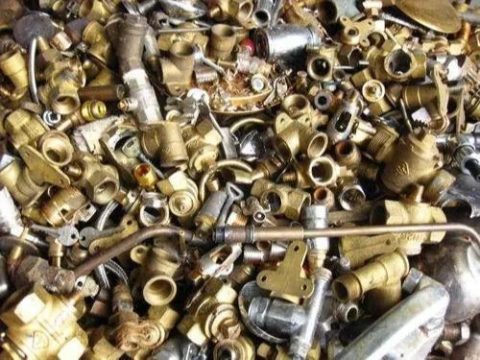
Recycling brass and copper at scrap yards can be both environmentally friendly and profitable. Knowing how to navigate the process efficiently will ensure you get the most value from your scrap metals. At Botany Recycling, we specialize in helping individuals and businesses maximize their returns on scrap metal. Below are some useful tips to help you prepare your brass and copper for the best results.

1. Understanding Brass and Copper: What’s the Difference?

Brass and copper may appear similar, but they are distinct metals with different values. Copper is a reddish-brown metal used widely in electrical wiring, plumbing, and industrial machinery due to its excellent conductivity and durability. Brass, on the other hand, is a yellowish alloy made from copper and zinc, commonly found in fittings, fixtures, and musical instruments. Copper typically has a higher value than brass, so it’s important to separate the two before taking them to the scrap yard.

2. Separate Your Metals

One of the most important things you can do before visiting a scrap yard is to sort your metals. Brass and copper should be separated from each other, as well as from other metals like aluminum or steel. Many scrap yards, including Botany Recycling, pay different rates based on the type and purity of the metal. Clean, sorted metals often fetch a higher price than mixed loads.

3. Clean Your Scrap for Maximum Value

Scrap yards prefer clean metals, which means materials that are free from contaminants like insulation, paint, or other metals. Copper wire, for instance, should be stripped of its insulation to increase its value. Similarly, brass items should be free from any attachments, such as screws or plastic parts. Investing time in cleaning your scrap will pay off when you receive a higher rate per kilogram.

4. Know the Different Grades of Copper and Brass

Copper and brass come in different grades, which affects their value. At Botany Recycling, we assess metals based on their purity and condition. Here’s a quick guide to understanding the different grades:

  • Bare Bright Copper: This is the highest grade of copper and refers to clean, uncoated, and unalloyed copper wire.
  • #1 Copper: Clean copper tubing or wire that may have slight oxidation but no coatings.
  • #2 Copper: This includes copper with some corrosion, paint, or soldering, reducing its value.
  • Yellow Brass: A common brass alloy with zinc, used in plumbing fixtures.
  • Red Brass: Contains a higher percentage of copper than yellow brass, making it more valuable.

5. Keep an Eye on Market Prices

Copper and brass prices fluctuate regularly based on global supply and demand. Botany Recycling updates its prices frequently to reflect current market conditions. Before heading to the scrap yard, check the latest prices to ensure you’re selling at the best time. Consider holding onto your metals if prices are low, and sell when the market improves.

6. Weigh Your Scrap Properly

It’s always a good idea to have a rough estimate of how much your scrap weighs before visiting the scrap yard. This will help you verify the yard’s measurements. At non-ferrous metal scrap we use certified and calibrated scales to ensure accuracy, but having your own estimate gives you added confidence.

7. Transporting Your Scrap Safely

When transporting large quantities of brass or copper, make sure you use appropriate containers. Heavy-duty bins or sturdy bags are ideal for smaller items, while larger pieces may require a trailer or truck. Secure your load properly to prevent any damage or loss during transit. At Botany Recycling, we can assist with large loads and provide industrial services for businesses dealing with significant quantities of scrap.

8. Understand the Legal Requirements

In many regions, selling non-ferrous

metal scrap requires valid identification, and there may be limits on the amount of certain metals you can sell at once. Ensure you comply with local laws and regulations before bringing your scrap to Botany Recycling. This will make your visit smoother and faster.

9. Partner with a Reliable Scrap Yard

Choosing a trustworthy scrap yard like Botany Recycling can make a big difference in your overall experience. We offer transparent pricing, accurate weighing, and excellent customer service, ensuring that you get the most out of your recycling efforts.

Final Thoughts

Recycling brass and copper is a great way to contribute to environmental sustainability while earning extra cash. By following these tips, you’ll be able to maximize your return and make the most of your visit to Botany Recycling. Whether you’re a one-time seller or a regular recycler, understanding the basics of sorting, cleaning, and weighing your metals will help you get the best deal.

What is the Trend in Copper in 2025?

What is the Trend in Copper in 2024?

1. Global Copper Demand

The demand for copper in 2025 continues to rise, driven by several key industries, including electric vehicles (EVs), renewable energy projects, and the construction of new infrastructure. The growing focus on sustainable energy, with an increase in solar and wind power installations, significantly contributes to copper consumption, as these technologies require large amounts of copper for wiring and components.

2. Supply Challenges

Despite the growing demand, copper supply remains constrained. Several factors contribute to this challenge:

  • Mining Difficulties: Many copper mines are operating at lower capacities due to environmental regulations and declining ore quality.
  • Geopolitical Instabilities: Copper-producing nations, especially in South America (like Chile and Peru), face political unrest and labor strikes, impacting production.

3. Price Trends

Copper prices in 2024 have seen a steady increase compared to the previous year. The following factors are influencing prices:

  • Supply Chain Disruptions: Global supply chain disruptions have caused copper prices to be volatile.
  • Green Energy Transition: The shift towards greener technologies, including electric vehicle manufacturing and renewable energy projects, pushes prices upward due to heightened demand.

4. Technological Innovations

New extraction technologies and recycling processes are being developed to offset the copper supply deficit. Innovations in copper recycling help reduce reliance on mining, providing a more sustainable alternative. As these technologies mature, the market is expected to stabilize, but this may take several years.

5. Long-Term Outlook

The long-term outlook for copper remains bullish due to its indispensable role in green technologies and infrastructure development. However, prices may experience fluctuations depending on mining output, recycling advancements, and global economic conditions.

The Trend in The Brass Industry 2025

The Trend in The Brass Industry 2024

The brass industry has seen significant changes over recent years, driven by advancements in technology, fluctuating market demands, sustainability concerns, and evolving design trends. In this article from Botany Recycling, we explore the key trends shaping the future of the brass industry, highlighting their impacts on production, consumption, and the environment.

1. Increasing Demand for Recycled Brass

One of the most prominent trends in the brass industry is the growing emphasis on recycling. Brass is a highly recyclable material, and more companies are focusing on using recycled brass to meet sustainability goals. Recycling brass not only reduces the need for new raw materials but also significantly cuts down on energy consumption compared to primary production processes. This trend is particularly driven by industries like construction, plumbing, and electronics, where sustainability and environmental responsibility are becoming core priorities.

2. Advancements in Brass Production Technology

Technological innovations have revolutionized the brass manufacturing process. Automated production lines, digital monitoring systems, and more efficient alloying techniques are helping companies optimize their operations. The introduction of precision casting and machining technologies has enabled manufacturers to create more complex and precise brass components with less waste. This push for efficiency has also reduced costs, making brass products more competitive against alternative materials like plastics and stainless steel.

3. Rising Popularity of Brass in Interior Design

Brass has experienced a resurgence in popularity in the interior design world. Its warm, timeless appeal has made it a favored material for fixtures, hardware, and decorative accents. From lighting fixtures to faucets and doorknobs, brass is now seen as a luxurious and versatile choice. Designers and homeowners appreciate brass for its ability to complement a wide range of styles, from industrial to contemporary and vintage designs. This trend is driving demand for high-quality, aesthetically pleasing brass products.

4. Fluctuations in Raw Material Prices

The brass industry is highly dependent on the availability and pricing of copper and zinc, the two primary metals that make up brass. Over the past few years, the volatility in the global market for these metals has influenced production costs and pricing strategies within the industry. While brass manufacturers are adapting to these fluctuations, they are also exploring ways to diversify their supply chains and reduce dependency on traditional raw material sources.

5. Sustainability Initiatives and Green Manufacturing

The global focus on sustainability is influencing every aspect of the brass industry. Many manufacturers are implementing green manufacturing practices, such as reducing energy consumption, minimizing emissions, and ensuring that waste is properly recycled. Companies are also striving for certifications like ISO 14001, which set standards for effective environmental management. As consumers become more environmentally conscious, companies are aligning their production practices with sustainable principles to meet the demand for eco-friendly products.

6. Innovative Alloy Combinations

To meet the needs of different industries, brass producers are experimenting with new alloy combinations. By adjusting the proportions of copper, zinc, and other metals, they can create brass products with specific properties such as increased strength, corrosion resistance, or aesthetic appeal. These specialized alloys are gaining popularity in fields like aerospace, automotive, and electronics, where performance and durability are critical.

7. Global Supply Chain Shifts

The brass industry is not immune to the global supply chain disruptions that have affected many sectors. Factors such as geopolitical tensions, trade policies, and the COVID-19 pandemic have all influenced the movement of raw materials and finished goods. In response, many companies are reshaping their supply chains, investing in domestic production capabilities, and seeking more stable and diversified sources of raw materials to avoid future disruptions.

8. Digitalization and Smart Manufacturing

As the brass industry embraces Industry 4.0, digitalization is becoming a key trend. Smart manufacturing systems, powered by the Internet of Things (IoT) and data analytics, are enabling companies to monitor and optimize their production processes in real-time. These technologies help reduce downtime, improve quality control, and increase efficiency. By adopting digital tools, brass manufacturers can respond more quickly to market demands and produce customized products with greater precision.

9. Focus on Lead-Free Brass

Health concerns regarding lead content in traditional brass alloys have prompted a shift toward lead-free brass alternatives. Many industries, particularly plumbing and drinking water applications, are now requiring the use of lead-free brass to comply with health and safety regulations. Lead-free brass maintains the same properties as traditional brass while being safer for human use. This trend is expected to continue growing as more regions implement stricter regulations on lead-containing materials.

Conclusion

The brass industry is undergoing a transformation driven by technological advancements, sustainability goals, and evolving market demands. From recycled materials and green manufacturing to innovative alloy designs and the rise of brass in interior design, these trends reflect a dynamic and resilient industry. As these trends continue to unfold, the brass industry is set to play a pivotal role in shaping the future of sustainable materials and manufacturing practices.

Recycling Stainless Steel: A Comprehensive Guide

Recycling Stainless Steel A Comprehensive Guide 1

Stainless steel is one of the most widely used materials in various industries, from construction to household items. Its durability, resistance to corrosion, and recyclability make it an ideal choice for many applications. At Botany Recycling, we are dedicated to promoting sustainability by encouraging the recycling of stainless steel. This article will delve into the benefits, processes, and importance of recycling stainless steel.

What is Stainless Steel?

Stainless steel is a versatile alloy primarily composed of iron, chromium, and other metals such as nickel and molybdenum. The inclusion of chromium provides resistance to corrosion, making it highly durable. Its recyclable properties allow it to be used and reused multiple times without losing its inherent qualities.

Why Recycle Stainless Steel?

Stainless steel is 100% recyclable, and the process of recycling it is both energy-efficient and environmentally friendly. Recycling stainless steel:

  • Reduces Environmental Impact: The production of new stainless steel from raw materials consumes significant energy and releases greenhouse gases. Recycling helps minimize this impact.
  • Conserves Natural Resources: Since stainless steel contains iron and chromium, recycling helps conserve these finite resources by reducing the need for mining.
  • Energy Efficiency: Recycling stainless steel uses far less energy than producing it from raw materials, saving up to 70% of the energy required in manufacturing.
  • Reduces Waste: By recycling, we keep large amounts of non-ferrous metal scrap out of landfills, contributing to a cleaner environment.

The Stainless Steel Recycling Process

  1. Collection and Sorting: Stainless steel scrap is collected from various sources, including old appliances, industrial machinery, and construction materials. It is then sorted based on grade and composition.
  2. Shredding and Melting: The sorted stainless steel scrap is shredded into smaller pieces to facilitate easier processing. It is then melted in furnaces specifically designed for metal recycling.
  3. Purification: To ensure the quality of recycled stainless steel, impurities are removed through various methods, such as magnetic separation and chemical treatments.
  4. Solidification: Once purified, the molten stainless steel is solidified into various forms, such as ingots, rods, or sheets, depending on the intended reuse.
  5. Manufacturing: The recycled stainless steel is then reintroduced into manufacturing industries to create new products, including kitchenware, automotive parts, and building materials.

Sources of Stainless Steel for Recycling

  • Industrial Scrap: Manufacturing processes often produce excess stainless steel scrap, which can be efficiently recycled.
  • Household Appliances: Old appliances such as refrigerators, washing machines, and kitchen utensils contain stainless steel components.
  • Construction Materials: Stainless steel used in construction projects (such as beams, pipes, and fittings) can be recycled once they are no longer in use.
  • Automotive Industry: Cars and trucks often contain stainless steel in exhaust systems and other components, making the automotive industry a significant source of recyclable materials.

Benefits to Businesses and the Economy

  • Cost Savings: Companies that recycle stainless steel can reduce their production costs by using recycled materials rather than purchasing raw ones.
  • Corporate Responsibility: Recycling stainless steel helps businesses meet their environmental goals and demonstrate their commitment to sustainability.
  • Job Creation: The recycling industry creates jobs in collection, sorting, processing, and manufacturing, contributing to the economy.

How You Can Recycle Stainless Steel with Botany Recycling

At Botany Recycling, we offer efficient and eco-friendly stainless steel recycling services. Whether you are a business with industrial scrap or an individual with old household items, we ensure a smooth recycling process. Our state-of-the-art facilities allow us to handle large volumes of scrap and ensure the highest levels of material recovery.

Conclusion

Recycling stainless steel is a vital part of a sustainable future. It conserves energy, reduces waste, and protects natural resources. At Botany Recycling, we encourage individuals and businesses to take part in recycling efforts. Not only does it benefit the environment, but it also provides economic advantages to those involved. Together, we can make a positive impact on the planet by recycling stainless steel and other non-ferrous metal scrap.

How Many Types of Copper Cable Are There?

How Many Types of Copper Cable Are There?

Copper cables are essential components in a wide range of electrical systems due to their excellent conductivity and durability. Different types of copper cables are designed for specific applications, making it important to understand the varieties available. Below, we break down the primary types of copper cables and their uses. This guide is brought to you by Botany Recycling, your trusted source for recycling copper and other valuable metals.

1. Solid Copper Cable

Solid copper cable consists of a single, solid copper conductor. It is known for its durability and consistent performance. This type of cable is commonly used in environments where the cable will not be subject to frequent bending or movement.

  • Uses: Ideal for permanent installations such as walls and ceilings in residential and commercial buildings.
  • Advantages: Strong and reliable, provides consistent performance over long distances.
  • Disadvantages: Less flexible, not suitable for applications requiring frequent movement.

2. Stranded Copper Cable

Stranded copper cable is composed of multiple small copper wires twisted together to form a single conductor. It is more flexible than solid copper cable, making it suitable for applications that require movement or flexibility.

  • Uses: Commonly used in networking and data transmission, as well as in environments where the cable may be subject to bending and twisting.
  • Advantages: Highly flexible, resistant to breaking under repetitive motion.
  • Disadvantages: Slightly lower conductivity compared to solid copper due to air gaps between strands.

3. Coaxial Cable

Coaxial cable, or coax cable, consists of a central copper conductor surrounded by an insulating layer, a metal shield, and an outer insulating layer. This construction helps reduce interference and signal loss, making it ideal for transmitting television and internet signals.

  • Uses: Widely used in cable television systems, broadband internet connections, and other data transmission applications.
  • Advantages: Superior shielding from external interference, suitable for high-frequency signals.
  • Disadvantages: Bulkier than other types of copper cables, less flexible.

4. Twisted Pair Cable

Twisted pair cable consists of two insulated copper wires twisted around each other to reduce electromagnetic interference (EMI) and crosstalk. There are two types: Unshielded Twisted Pair (UTP) and Shielded Twisted Pair (STP).

  • Uses: Commonly used in telephone networks, Ethernet cables, and various data communication systems.
  • Advantages: Cost-effective and easy to install, with reduced interference.
  • Disadvantages: UTP lacks shielding, making it more vulnerable to EMI compared to STP.

5. Multi-Conductor Cable

Multi-conductor cable consists of multiple insulated copper conductors enclosed in a single jacket. It is used when multiple circuits need to be run through a single cable, reducing installation complexity.

  • Uses: Widely used in control systems, power distribution, and audio systems.
  • Advantages: Simplifies installation by grouping multiple wires, reduces space usage.
  • Disadvantages: May be more challenging to repair individual wires if damaged.

6. Ribbon Cable

Ribbon cable is made up of multiple parallel insulated copper conductors, often used to connect internal components of computers and electronic devices.

  • Uses: Commonly found in electronics, computer systems, and peripherals like printers.
  • Advantages: Allows for compact and organized installations, ideal for connecting closely spaced components.
  • Disadvantages: Not suited for long-distance transmission or environments where high flexibility is required.

7. Armored Cable

Armored cable includes a protective metal sheathing around the copper conductor to provide additional durability and protection from physical damage.

  • Uses: Typically used in industrial settings, underground installations, and areas exposed to harsh environmental conditions.
  • Advantages: Provides extra mechanical protection, can withstand harsh conditions.
  • Disadvantages: Heavier and more expensive than non-armored cables.

Conclusion

Copper cables come in various types, each suited to specific applications. Understanding the differences between these types ensures you select the right cable for your project. Whether you are upgrading a home network or installing industrial wiring, Botany Recycling encourages responsible recycling of copper to minimize environmental impact. If you have scrap copper cables, don’t let them go to waste—contact us to recycle and earn cash for your copper!

For more information, visit Botany Recycling and find out how we can assist with all your metal recycling needs.

Is Copper Cable 100% Copper

What is The Trend in The Copper Industry

When it comes to copper cables, the question of purity often arises. Many consumers and businesses rely on copper cables for their electrical and telecommunications needs, but understanding the composition of these cables is crucial. In this article, we will explore whether copper cables are truly 100% copper, and we will draw insights from Botany Recycling

What is Copper Cable?

Copper cable is a type of electrical conductor made primarily of copper. It is widely used for various applications, including power transmission, telecommunications, and networking. The electrical conductivity, durability, and flexibility of copper make it an ideal choice for these applications.

There are different types of copper cables, including:

  • Bare Copper Wire: This is the purest form of copper cable and is typically used in applications where corrosion resistance is important.
  • Copper Clad Aluminum (CCA) Cable: This type consists of an aluminum core coated with a thin layer of copper. While it is more cost-effective, it does not offer the same conductivity as pure copper.
  • Stranded Copper Cable: This type is made up of multiple strands of copper wire, providing flexibility and making it easier to work with in tight spaces.

Purity Levels in Copper Cable

While many cables are labeled as “copper,” this does not necessarily mean they are 100% copper. Here are some factors to consider:

  • Copper Content: The copper content in cables can vary significantly. Some cables may contain only a small percentage of copper, while others are nearly pure copper.
  • Alloy Variations: Copper cables can be made from alloys that include other metals, which can affect conductivity and overall performance.
  • Quality Standards: Organizations like the American Wire Gauge (AWG) provide standards for copper wire, but not all manufacturers adhere to these guidelines.

Why Does It Matter?

Understanding the purity of copper cables is essential for several reasons:

  1. Performance: Higher copper content generally translates to better conductivity and performance.
  2. Cost: Pure copper cables tend to be more expensive. Knowing the composition can help consumers make informed purchasing decisions.
  3. Recyclability: Pure copper is more valuable in recycling than alloyed or coated materials, which is an important consideration for those looking to recycle old cables.

Conclusion

In summary, while many copper cables claim to be made of copper, they may not be 100% pure. It’s essential to check the specifications and understand the type of copper used in your cables. For more information on copper cable and recycling options, visit Botany Recycling, where you can learn more about the materials and the best practices for recycling.

What is The Main Component of Brass

What is The Main Component of Brass

Brass is a popular and versatile metal alloy used in various industries, ranging from construction to decorative arts. Understanding its main component is essential for those in the metal industry, as well as anyone interested in the science behind this widely used material. In this article, we’ll delve into the composition of brass, with a focus on its primary component.

The Composition of Brass

Brass is an alloy, meaning it is a mixture of two or more metals. The exact composition of brass can vary depending on its intended use, but it generally consists of two primary metals: copper and zinc. The proportions of these metals can be adjusted to give brass different properties, such as strength, corrosion resistance, and color.

The Main Component: Copper

The main component of brass is copper. Typically, brass contains about 60-70% copper, with the remaining percentage being zinc. Copper is responsible for the reddish-brown color that is often associated with brass. The high copper content also gives brass its excellent thermal and electrical conductivity, making it a useful material in electrical applications.

Role of Copper in Brass

Copper’s role in brass is crucial for several reasons:

  • Corrosion Resistance: Copper enhances brass’s resistance to corrosion, especially in marine environments.
  • Malleability: Copper makes brass more malleable, allowing it to be easily shaped into various forms.
  • Aesthetic Appeal: The reddish hue of copper gives brass a warm, attractive appearance that is often used in decorative items.

Secondary Component: Zinc

While copper is the main component, zinc plays a significant role in the properties of brass. The amount of zinc can range from 30% to 40%, depending on the desired characteristics of the final alloy. Zinc adds strength and hardness to the brass, making it more durable.

Variations in Brass Composition

The ratio of copper to zinc in brass can be modified to produce different types of brass:

  • Red Brass: Contains a higher percentage of copper (around 85%) and is used for plumbing and electrical applications.
  • Yellow Brass: Has a lower copper content (around 60-65%) and is often used in musical instruments and decorative items.
  • Cartridge Brass: With about 70% copper, this type of brass is used in ammunition casings and is known for its excellent formability.

Conclusion

Understanding that copper is the main component of brass is essential for appreciating the unique properties of this alloy. Whether you’re working with brass in an industrial setting or simply curious about its composition, knowing the role of copper helps you understand why brass is so valued in various applications. At Botany Recycling, we recognize the importance of these metals and are committed to helping you recycle and repurpose brass effectively.

What is The Trend in The Copper Industry

What is The Trend in The Copper Industry

The copper industry plays a vital role in the global economy, influencing various sectors such as construction, electronics, and energy. As one of the most widely used metals, copper is a key material in wiring, plumbing, and countless other applications. In recent years, the copper industry has been experiencing several trends that are shaping its future. In this article, we explore the current trends in the copper industry and what they mean for stakeholders.

Rising Demand Due to Electrification and Green Energy

One of the most significant trends in the copper industry is the rising demand driven by the global shift towards electrification and renewable energy. Copper is essential in the production of electric vehicles (EVs), wind turbines, and solar panels. As countries aim to reduce carbon emissions, the demand for copper is expected to soar, with projections indicating a doubling of copper usage in the energy sector by 2040.

Supply Constraints and Exploration Challenges

While demand for copper is increasing, the supply side is facing challenges. Many existing copper mines are aging, and new discoveries are becoming rarer and more difficult to access. This has led to concerns about a potential copper shortage in the future, driving exploration efforts into more remote and difficult-to-mine areas. Additionally, environmental regulations are becoming stricter, further complicating new mining projects.

Recycling and Circular Economy

As the copper industry grapples with supply constraints, recycling has emerged as a critical component of the industry’s sustainability efforts. Copper is 100% recyclable without any loss of quality, making it an ideal material for a circular economy. The industry is seeing a trend towards increased recycling rates, which not only helps meet demand but also reduces environmental impact. Companies like Botany Recycling are at the forefront of this movement, providing services to recycle copper scrap efficiently.

Technological Advancements in Mining and Production

The copper industry is also witnessing a surge in technological advancements aimed at improving mining and production efficiency. Automation, artificial intelligence (AI), and advanced data analytics are being increasingly adopted to optimize operations, reduce costs, and minimize environmental impact. These technologies are helping companies extract copper more efficiently, even from low-grade ores.

Price Volatility and Market Dynamics

Copper prices have been highly volatile in recent years, influenced by a variety of factors, including global economic conditions, geopolitical tensions, and shifts in supply and demand. The price of copper has experienced significant fluctuations, making it a challenging environment for industry players to navigate. However, many analysts believe that the long-term outlook remains positive due to the metal’s essential role in green technologies.

Conclusion

The copper industry is at a crossroads, influenced by a mix of rising demand, supply challenges, and technological innovations. As the world continues to transition towards a greener economy, the importance of copper is set to increase. Companies like

Botany Recycling are playing a crucial role in ensuring the sustainability of the copper industry through recycling and responsible sourcing. Understanding these trends is vital for anyone involved in or affected by the copper industry, as they will shape its future trajectory.

Green Metal Recycling Sustainable Practices for a Better Future

Green Metal Recycling Sustainable Practices for a Better Future Guide Botany Scrap Metal

Introduction

In a world increasingly aware of environmental concerns, green metal recycling stands out as a crucial practice for sustainability. By recycling metals, we can conserve natural resources, reduce energy consumption, and minimize environmental pollution. One of the prominent players in this field is Botany Recycling, a company dedicated to promoting eco-friendly recycling practices.

What is Green Metal Recycling?

Green metal recycling refers to the process of recovering and reprocessing Non-Ferrous metal scrap to produce new materials. This method not only conserves natural resources but also significantly reduces greenhouse gas emissions and energy usage compared to traditional metal production methods. Metals like aluminum, copper, steel, and iron are commonly recycled and reused in various industries.

Environmental Benefits

Resource Conservation

Recycling metals reduces the need for raw material extraction, thereby conserving natural resources. For instance, recycling one ton of steel can save up to 2,500 pounds of iron ore, 1,400 pounds of coal, and 120 pounds of limestone.

Energy Savings

The recycling process consumes significantly less energy than producing metals from virgin ore. For example, recycling aluminum saves up to 95% of the energy required for primary production. This energy efficiency translates into lower greenhouse gas emissions and a smaller carbon footprint.

Pollution Reduction

Metal recycling helps reduce pollution by minimizing the need for mining and refining operations, which are often associated with harmful environmental impacts. Additionally, recycling processes produce less waste and lower emissions, contributing to cleaner air and water.

Economic Benefits

Job Creation

The recycling industry is a significant source of employment. Jobs are created at various stages of the recycling process, including collection, sorting, processing, and transportation. Companies like Botany Recycling contribute to local economies by providing job opportunities in these areas.

Cost Efficiency

Recycled metals are often more cost-effective than newly mined materials. Industries can benefit from lower raw material costs, leading to overall savings in production expenses. This economic advantage makes recycling an attractive option for many businesses.

Botany Recycling: Leading the Way in Green Metal Recycling

Company Overview

Botany Recycling is a renowned name in the recycling industry, known for its commitment to sustainable practices. The company specializes in collecting, processing, and recycling various types of metals, ensuring that these materials are efficiently repurposed for future use.

Services Offered

  • Scrap Metal Collection: Botany Recycling offers convenient collection services, ensuring that non-ferrous metal scrap are gathered from various sources, including households, businesses, and industrial sites.
  • Processing and Sorting: The company uses advanced technologies to sort and process metals, ensuring that they are clean and ready for recycling.
  • Recycling and Repurposing: Metals are recycled and transformed into new products, minimizing waste and contributing to a circular economy.

Community Engagement

Botany Recycling is not just focused on business; it is also dedicated to community involvement and education. The company regularly engages with local communities to raise awareness about the importance of recycling and to promote sustainable practices.

How You Can Contribute

Proper Disposal

One of the easiest ways to support green metal recycling is by properly disposing of metal waste. Ensure that metal items are separated from other types of waste and taken to recycling centers like Botany Recycling.

Education and Advocacy

Educate yourself and others about the benefits of metal recycling. Advocacy can play a significant role in encouraging more people and businesses to adopt sustainable practices.

Conclusion

Green metal recycling is an essential practice for a sustainable future. By conserving resources, saving energy, and reducing pollution, it offers significant environmental and economic benefits. Companies like Botany Recycling are at the forefront of this movement, providing essential services and promoting eco-friendly practices. Together, we can contribute to a greener, more sustainable planet by embracing the principles of green metal recycling.

Catalytic Converter Recycling An Essential Guide

Catalytic Converter Recycling An Essential Guide Botany Scrap Metal

Introduction

Catalytic converters are crucial components in modern vehicles, designed to reduce harmful emissions. However, when they reach the end of their useful life, recycling them becomes vital. This article explores the importance, process, and benefits of catalytic converter recycling, with a focus on services provided by Botany Recycling.

What is a Catalytic Converter?

A catalytic converter is an exhaust emission control device that converts toxic gases and pollutants in exhaust gas from an internal combustion engine into less-toxic pollutants by catalyzing a redox reaction. The core of this device contains valuable metals like platinum, palladium, and rhodium, which are essential for the catalytic process.

Importance of Recycling Catalytic Converters

Environmental Benefits

Recycling catalytic converters prevents these valuable metals from ending up in landfills, reducing environmental pollution. It also reduces the need for mining new precious metals, which is a highly energy-intensive and environmentally damaging process.

Economic Advantages

The metals recovered from catalytic converters are highly valuable. Recycling these components can be a lucrative business, providing economic benefits to individuals and companies involved in the recycling process.

The Recycling Process

Collection and Inspection

The first step in recycling is collecting the used catalytic converters. This can be done through various means, including auto repair shops, scrap yards, and recycling centers like Botany Recycling.

Dismantling and Extraction

Once collected, the catalytic converters are dismantled to extract the ceramic monolith or metallic foil that contains the precious metals. This step requires specialized equipment and expertise to ensure maximum recovery of valuable materials.

Refining

The extracted materials are then refined to separate the precious metals. This involves several complex chemical processes that are usually carried out by specialized metal refining companies.

Why Choose Botany Recycling?

Expertise and Experience

Botany Recycling has extensive experience in recycling various types of metals, including catalytic converters. Their expertise ensures that the recycling process is efficient and maximizes the recovery of valuable materials.

Environmentally Friendly Practices

Committed to sustainability, Botany Recycling follows environmentally friendly practices throughout the recycling process. This includes proper handling of hazardous materials and compliance with environmental regulations.

Competitive Pricing

By choosing Botany Recycling, you can expect competitive pricing for your catalytic converters. They offer fair compensation based on the current market value of the metals recovered from your converters.

Conclusion

Recycling catalytic converters is not only environmentally beneficial but also economically rewarding. By partnering with experienced recyclers like Botany Recycling, you can ensure that the recycling process is handled efficiently and responsibly, contributing to a greener planet and a more sustainable future.